
Helicella
Helicella
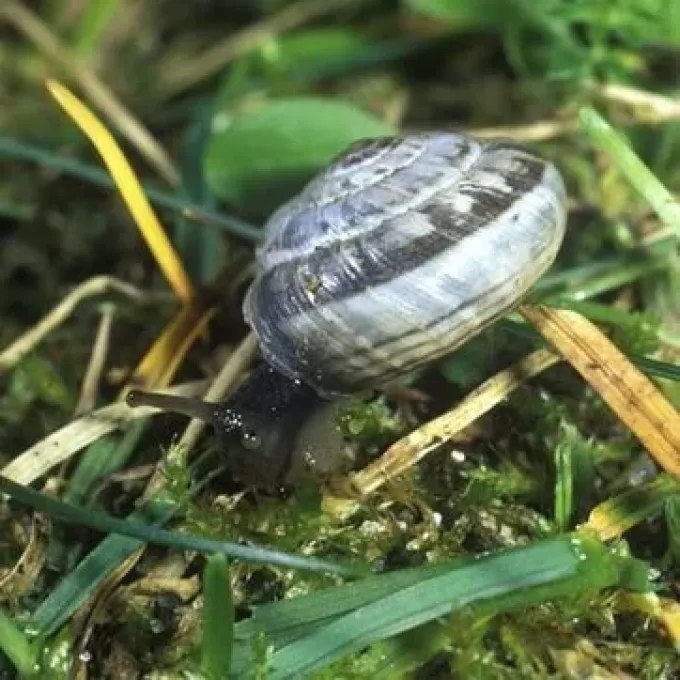
Description
How to identify
Helicella is a genus of land pulmonate gastropod mollusks belonging to the family Hygromiidae. These are small snails characterized by a rounded, often spirally patterned shell that provides protection against desiccation in arid environments.
Their physical appearance and coloration allow them to blend effectively with dried vegetation, soil clods, and organic debris. This camouflage makes it difficult for farmers to spot early-stage infestations on their fields.
The snail's body produces mucus, which protects its soft tissues from mechanical stress and unfavorable weather conditions. This adaptation allows Helicella to survive in various habitats, ranging from orchards and vineyards to vegetable gardens.
Their life cycle is highly dependent on environmental moisture levels. During prolonged dry periods, they enter a state of dormancy, attaching themselves to stalks or hiding in deep soil cracks until favorable conditions return.
Reproduction occurs through the laying of eggs in moist soil or under decaying matter. Population growth rates are highly sensitive to temperature and rainfall, with spring moisture acting as a primary catalyst for activity.
What it damages
Helicella is a known polyphagous pest, feeding on a wide variety of plants. It causes significant damage to cereals, legumes, various vegetables, and vineyards by consuming both foliage and young developing fruits.
The primary economic damage is caused by the consumption of leaf tissue, which reduces the plant's photosynthetic capacity and weakens it. In early growth stages, severe infestations can lead to the total loss of seedlings.
Beyond direct feeding, the snail contaminates crops with mucus and fecal matter. This renders the harvest unmarketable, which is a major issue for high-value crops like lettuce, herbs, and leafy greens.
Damaged plant tissues are highly susceptible to secondary infections. The lesions created by the snails serve as entry points for bacterial and fungal pathogens, leading to widespread rot and disease in the crop canopy.
In vineyards, Helicella can climb the vines to feed on grapes and buds. This results in direct yield loss and compromises the quality of the grape harvest, often necessitating late-season protective interventions.
When it appears
Helicella activity peaks during periods of high humidity, particularly in the spring and autumn months. These seasons provide the optimal moisture levels required for feeding, movement, and reproductive cycles.
During the heat of the summer, snails become less active and retreat into shaded areas or beneath the soil surface. Their movement is generally limited to nighttime or overcast, rainy days when humidity levels are sufficient.
Autumn marks the primary period for egg-laying. These eggs overwinter in the soil, ensuring that a new generation is ready to emerge as soon as spring weather permits, creating a recurring management challenge.
Unseasonal summer rains often lead to sudden population spikes. Agronomists should closely monitor field conditions following such events to implement control measures before significant damage occurs.
Winter is characterized by a state of hibernation under plant debris. Since the snails are largely inactive during this time, agricultural efforts should focus on soil preparation before the spring emergence.
Signs of infestation
The most prominent sign of a Helicella infestation is irregular, ragged feeding holes on the leaf edges. Unlike insect pests that may skeletonize leaves, snails often leave uneven grazing patterns on the surface.
Silvery, dried mucus trails on leaves, stems, or the soil surface are clear indicators of snail activity. These trails are particularly visible in the early morning hours when the moisture has not yet evaporated.
Finding adult snails on the undersides of leaves or near the base of plants during the morning is a definitive sign of infestation. They are also frequently found congregating on weeds surrounding the crop.
Damaged fruits or vegetable parts often show deep, crater-like pits where the snails have been feeding. In some cases, unexpected wilting of the crop, despite adequate irrigation, may indicate root zone infestation.
A secondary sign is the increased presence of rots and molds on plant parts, which often appear in the wake of snail feeding as pathogens colonize the damaged areas.
Control measures
Cultural control practices are essential: deep autumn plowing disrupts the overwintering sites of the snails and destroys egg batches in the soil. Maintaining weed-free field borders removes essential shelters for the pests.
Chemical control involving molluscicides, typically based on metaldehyde or iron phosphate, is highly effective. These are applied as baits in the inter-rows to attract and eliminate the snails when populations reach economic thresholds.
Biological control strategies should aim to protect and promote the populations of natural predators such as ground beetles, toads, birds, and hedgehogs. Creating habitat corridors can help naturally balance the snail population.
Monitoring using simple traps (such as damp boards or burlap sacks) allows agronomists to assess snail density accurately. This data-driven approach ensures that chemical treatments are used only when necessary.
Optimizing planting dates can give crops a head start, allowing them to reach a more robust growth stage before the peak activity of the snails, thereby reducing the vulnerability of the plantation.
Taxonomy
- Latin name
- Helicella
- Order
- Molluscs
- Family
- Hygromiidae
- EPPO code
- HELLSP
Discussion
No discussions yet — be the first.