
Hapithus agitator
Hapithus agitator
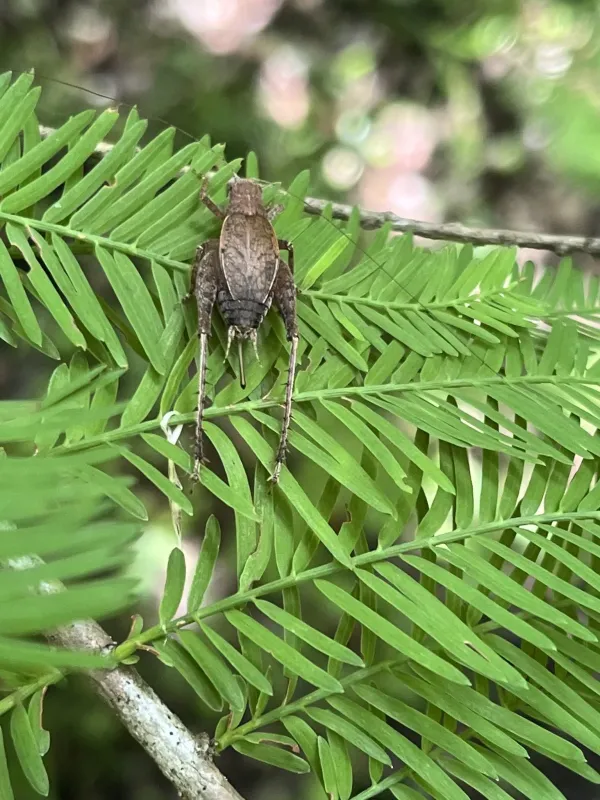
Description
How to identify
Hapithus agitator is a member of the cricket family within the order Orthoptera. This nocturnal insect is known for its cryptic behavior, often remaining hidden during daylight hours in organic debris or soil crevices.
The adult form is characterized by a slender, cylindrical body with elongated hind legs adapted for jumping. Their coloration, typically in shades of brown, serves as excellent camouflage against soil and decaying plant matter.
The developmental cycle includes egg, nymph, and adult stages. Nymphs closely resemble miniature adults but are wingless, undergoing several molts until reaching sexual maturity and developing wings.
The presence of males is often detected through their characteristic chirping sounds during mating season, which serves as an acoustic marker for farmers to estimate population density in the field.
Females possess a specialized ovipositor, enabling them to deposit eggs deep into soil or plant tissues, protecting their progeny from environmental stressors and most surface-dwelling predators.
What it damages
This pest is known to feed on various parts of young plants, including leaves, tender shoots, and buds. In cases of significant infestation, they can cause extensive damage to agricultural crops.
They frequently target vegetables, berries, and ornamental plants. Seedlings are especially susceptible to damage, as their limited leaf mass can be quickly consumed, leading to stunted growth or total loss.
Feeding activity reduces the leaf area available for photosynthesis, which negatively impacts the plant's metabolic processes and overall crop yield. Stress from the damage can make plants more vulnerable to pathogens.
In certain scenarios, Hapithus agitator also affects the root neck area of young transplants. This injury disrupts the transport of water and nutrients, leading to sudden wilting and eventual death of the plant.
Agricultural productivity is hampered when populations reach high levels, particularly during hot and dry spells, when insects become more active in searching for succulent tissues to maintain their water balance.
Signs of infestation
The primary symptom of infestation is the presence of irregularly shaped holes or scalloped edges on leaves. These marks are often the result of nocturnal feeding sessions by the pests.
Small piles of frass (insect excrement) found at the base of plants or in leaf axils are clear indicators of resident insect activity. Monitoring these signs helps in pinpointing infested areas.
Wilting of seemingly healthy plants that have adequate moisture may indicate subterranean or base-level feeding on the stems, often performed by nymphs hiding under mulch layers.
Audible chirping at dusk confirms the presence of adult insects. If the sound is frequent throughout the field, it typically signifies a population explosion that requires immediate intervention.
A thinning canopy or disappearing young plants in a seedling bed are major red flags, pointing toward active foraging by cricket-like pests that remain hidden during the day.
Control measures
Effective management begins with strict sanitation practices, such as removing weeds and garden debris that provide daytime shelter for the pests, thereby reducing their hiding spots.
Deep tillage and soil cultivation help disrupt the lifecycle by exposing eggs and nymphs to predators and harsh environmental conditions, significantly lowering the surviving population.
Chemical control should be employed judiciously when the pest population exceeds the economic injury level. It is essential to choose products compatible with integrated pest management (IPM) guidelines.
Biological control agents, including specific entomopathogenic fungi or nematodes, provide sustainable solutions to suppress populations without the risks associated with broad-spectrum synthetic pesticides.
- Implementation of light traps for evening monitoring and mass trapping.
- Crop rotation to break the continuous cycle of pest reproduction.
- Using physical barriers like row covers for vulnerable young crops.
Taxonomy
- Latin name
- Hapithus agitator
- Order
- Orthoptera (locusts)
- Family
- Gryllidae
- EPPO code
- HAPIAG
Discussion
No discussions yet — be the first.