
Hapithus
Hapithus
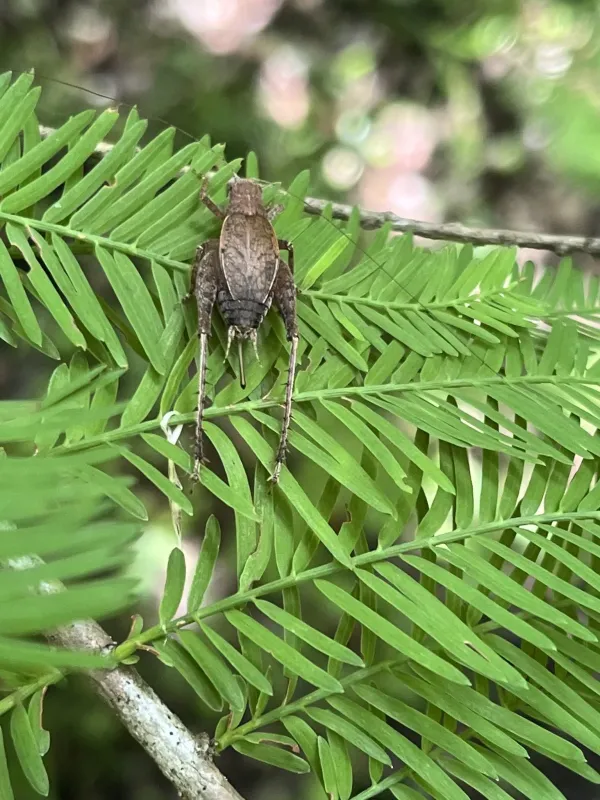
Description
How to identify
The genus Hapithus belongs to the order Orthoptera and the family Gryllidae. These insects possess the typical body structure of crickets but exhibit specific morphological traits that distinguish them from common house or field cricket species.
Adult specimens are characterized by a compact body, often brown or yellowish-tan, allowing them to blend effectively into leaf litter. They have well-developed hind jumping legs and strong mandibles adapted for feeding on plant tissues.
Unlike many other crickets, members of the Hapithus genus lead a secretive lifestyle, residing primarily in dense vegetation or the topsoil. They are highly sensitive to vibrations, which makes them difficult to detect during standard field inspections.
The life cycle includes egg, nymph, and adult stages. The transformation is incomplete, meaning nymphs resemble adults in appearance, except for their size and wing development.
The development of these insects is highly dependent on temperature and humidity levels in the cultivation area. Under optimal conditions, the population can grow rapidly, posing a threat to agricultural fields.
What it damages
Hapithus affects a wide range of crops, including ornamental plants, some vegetables, and fruit bushes. Young seedlings and plants in the active vegetative growth stage are particularly vulnerable.
Both adults and older nymphs cause the primary damage by actively feeding on leaves, shoots, and buds. This leads to the disruption of photosynthesis and a reduction in the plant's overall vigor.
In cases of massive infestation, these insects can completely destroy young plantings by gnawing tender stems down to the soil level. This makes them particularly dangerous for nurseries and greenhouse operations.
Damage often occurs in patches, as these insects tend to congregate in areas providing the best shelter and food. Over time, these hotspots can expand, covering increasingly larger cultivation areas.
Beyond direct mechanical damage, wounds on plants serve as entry points for various fungal and bacterial infections. Thus, the pest indirectly promotes the development of secondary plant diseases.
When it appears
Pest activity begins with the arrival of stable spring warmth, when mass hatching of nymphs from overwintered eggs occurs. During this period, the insects are most voracious and vulnerable.
The population peak usually occurs in the second half of summer, when weather conditions favor rapid generation development. Maximum adult activity is observed during this time.
With the arrival of autumn and a decrease in daily average temperatures, insect activity noticeably declines. They begin seeking locations for egg-laying in the soil or plant debris to overwinter.
In southern regions, the development of two or more generations per growing season is possible, which significantly complicates population control. Constant monitoring throughout the entire season is essential.
During dry and hot periods, insects may migrate to more humid areas or greenhouses, where conditions for their survival remain stable. This must be considered when planning protective measures.
Signs of infestation
The first sign of infestation is the characteristic "holed" appearance of leaves, which eventually turn into ragged edges. Foliage looks tattered, and premature wilting is often observed.
On the surface of stems or near the base of the plant, insect excrement in the form of small dark pellets can be found. This is a reliable indicator of high pest density.
The presence of Hapithus is revealed by its specific chirping, especially during twilight and at night. The sound serves as a means of communication and a signal for the start of the breeding season.
At night, when inspecting plants with a flashlight, the insects themselves can be found sitting on leaves or hiding in plant axils. At the slightest disturbance, they quickly jump or retreat deep into the bush.
Wilting of individual branches or the death of seedlings without apparent cause is another serious sign. This may indicate that the root collar was gnawed by insects at the soil level.
Control measures
Agricultural control measures include deep plowing of soil in autumn, which helps destroy egg clutches and reduce the pest population for the following season. Removing weeds and plant debris is also highly beneficial.
An important technique is maintaining an optimal irrigation schedule, as excessive humidity in the root zone can be fatal to nymphs, while drought may stimulate their activity in certain scenarios.
Biological control methods involve the use of entomopathogenic nematodes or bacterial formulations, which have shown high efficiency against cricket larvae in the soil.
Chemical protection is applied when the pest population is high. Insecticides with contact and stomach action that are approved for use on specific crops during the growing season are utilized.
To prevent the infestation of new areas, the use of poisoned baits placed in areas of insect aggregation is recommended. This allows for minimizing the use of broad-spectrum pesticide applications.
Taxonomy
- Latin name
- Hapithus
- Order
- Orthoptera (locusts)
- Family
- Gryllidae
- EPPO code
- HAPISP
Discussion
No discussions yet — be the first.