
White ramshorn snail
Gyraulus albus
Description
How to identify
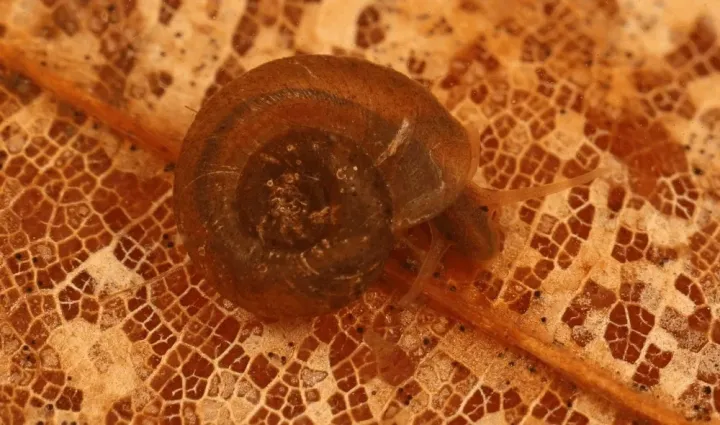
The white ramshorn snail (Gyraulus albus) belongs to the Planorbidae family of freshwater gastropod mollusks. It is a small snail characterized by a flat, spiral, disc-shaped shell.
The shell of this species typically reaches a diameter of 5–7 millimeters and displays a whitish to horn-colored appearance. A distinctive feature is the presence of fine, radial ridges on the shell surface.
The snail's body is usually dark, equipped with a well-developed foot for movement across underwater surfaces. It prefers stagnant or slow-moving water bodies with an abundance of aquatic vegetation.
Biologically, the species is highly adaptable and resilient. Being hermaphroditic, these snails can reproduce rapidly, leading to significant population increases in favorable environments.
To identify them, examine the undersides of aquatic leaves, where they often deposit small, transparent egg clutches that appear as gelatinous capsules.
What it damages
The primary victims of this pest are aquatic and semi-aquatic crops grown in ponds, hydroponic systems, or irrigation channels, including rice, lilies, and various decorative water plants.
The damage occurs when the snails scrape the epidermis of leaves and young shoots with their radula. This causes tissue damage, reduces photosynthetic efficiency, and weakens the plant's overall health.
Injured areas become entry points for secondary infections, such as fungi or bacteria, which often lead to rotting of the leaves and eventual death of young plant specimens.
In hydroponic setups, these snails can target the root system, hindering nutrient uptake. Additionally, their slime and excrement can clog filters and contaminate nutrient solutions.
Mass infestations can cause significant economic losses by ruining the aesthetic and commercial value of aquatic ornamental and crop plants.
When it appears
The activity of the white ramshorn snail is highly dependent on water temperature. The optimal period for feeding and reproduction occurs from late spring through early autumn.
In spring, once water temperatures rise above 10–12 degrees Celsius, the snails emerge from their dormant state. They begin feeding actively as aquatic vegetation starts its primary growth phase.
Peak damage occurs during the summer months when high temperatures accelerate the snail's metabolism and the development cycle of their eggs, leading to multiple generations in a single season.
As autumn arrives and temperatures drop, activity decreases. Adult snails and egg clutches are capable of overwintering in bottom sediment or attached to plant debris to survive the cold.
Control measures should be scheduled based on water heating patterns, with a focus on early summer to prevent the population from reaching destructive levels.
Signs of infestation
One of the earliest signs of infestation is the appearance of characteristic holes or "windows" in the leaves. The damage often has irregular edges and can be scattered across the leaf surface.
The presence of transparent, gelatinous egg clutches on stems or leaves is a reliable indicator of the pest's presence, as they are typically deposited on submerged surfaces.
Visible slime trails on stems, walls of containers, or tanks are common. In clear water, the snails themselves are easy to spot during a visual inspection of the reservoir's edges.
Stunted plant growth without clear signs of disease or nutrient deficiency may indicate that snails are attacking the roots within the growing medium.
Increased water turbidity or a foul smell caused by the decay of damaged plant tissues often accompanies high densities of this mollusk.
Control measures
Manual removal of snails and their egg clutches is the safest and most effective method for small-scale infestations. Using nets or simple traps can significantly reduce their numbers.
Biological control involves introducing natural predators, such as snail-eating fish, into the water system. This must be done carefully to ensure the safety of the primary aquatic crop.
Chemical control options include the use of specific molluscicides. It is critical to select products approved for aquatic or pond use to avoid harming the ecosystem or the crops.
Prevention is key, involving rigorous disinfection of equipment, tanks, and incoming plant material. Using fine-mesh filters can also help prevent the introduction of young snails.
Adjusting water parameters, such as pH and calcium levels, can create conditions unfavorable for shell formation, thereby naturally limiting the population density of the white ramshorn snail.
Taxonomy
- Latin name
- Gyraulus albus
- Order
- Molluscs
- Family
- Planorbidae
- EPPO code
- GYRAAL
Discussion
No discussions yet — be the first.