
Ramshorn snail
Gyraulus
Description
How to identify
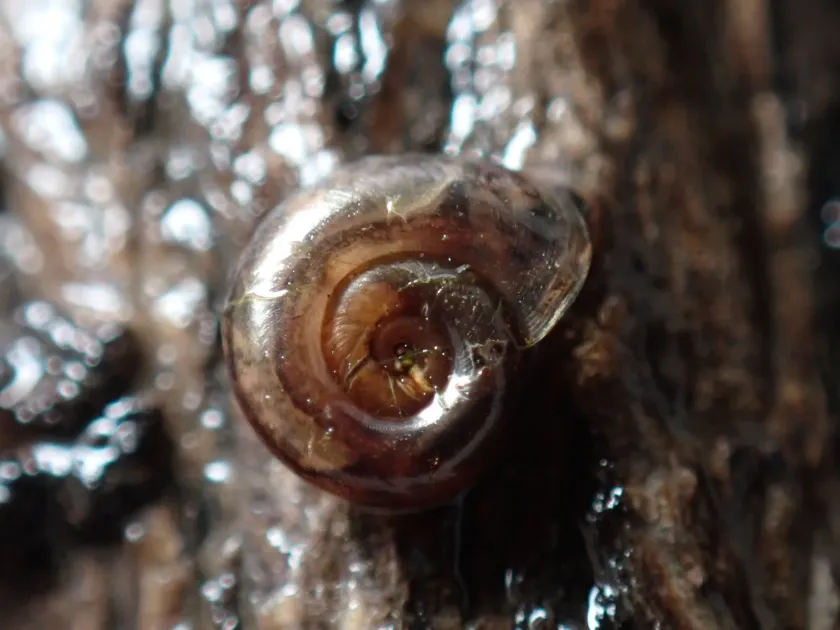
The Ramshorn snail (genus Gyraulus) consists of small freshwater gastropods belonging to the Planorbidae family. Their shell is distinguished by a flattened, disk-like shape, coiled in a single plane, which gives them the appearance of a small coil of thread.
Adult individuals typically measure between 5 and 10 mm in diameter. The shell color ranges from a translucent horn shade to dark brown, allowing the snails to camouflage perfectly among aquatic vegetation and organic detritus in their environment.
These snails are hermaphrodites, enabling rapid population growth even from a single introduction into a water system. They breathe atmospheric air by rising to the surface, but can also absorb dissolved oxygen from the water through their mantle tissue.
Unlike other pond snails, the Gyraulus genus lacks a conical spire, which is a key identification feature for agronomists. In agricultural settings, they are commonly found in irrigation canals, ponds, and hydroponic nutrient solutions.
Their life cycle is closely tied to the presence of decaying organic matter and abundant aquatic plants, which serve as both food and substrate for egg-laying. Under optimal conditions, they maintain continuous reproduction throughout the year.
What it damages
The damage caused by Ramshorn snails stems from their feeding habit of scraping plant epidermis. They use their radula to feed on the tender surfaces of leaves, stems, and shoots, leading to tissue damage and necrosis.
Seedlings and young plants grown in aquatic or hydroponic conditions are particularly vulnerable. Heavy grazing by large populations can result in significant stunting or total loss of young crops, impacting overall yield and productivity.
Furthermore, these snails serve as intermediate hosts for various trematode parasites. The presence of these snails in irrigation systems can introduce pathogens into the crop environment, potentially affecting plant health and farm safety.
Accumulation of snail feces and mucus on leaves creates a physical barrier that restricts photosynthesis and promotes the growth of opportunistic bacteria and fungi. This secondary infection often leads to rapid decay of the plant tissue.
In intensive aquaculture or aquaponic setups, high densities of Gyraulus can lead to substantial economic losses due to the destruction of plant material and the fouling of water quality parameters, requiring urgent management action.
Signs of infestation
The first signs of an infestation include the appearance of "windows" on the leaf surface, where the snail has removed the outer layer of tissue while leaving the tougher veins intact, resulting in a characteristic lacy pattern.
Egg masses, which appear as small, translucent, gelatinous patches, are often found on the underside of leaves or on the surfaces of irrigation pipes and equipment. They are a definitive sign of an active, breeding population.
Excessive mucus secretion on the stems of plants or the sides of growing containers is a strong indicator of high snail activity. This mucus can affect the visual clarity of the water and may cause it to become turbid or murky.
Gradual decline in plant vigor and retarded growth, despite adequate nutrition, often point to constant stress caused by snails feeding on the roots and lower stems of the crop in submerged environments.
The discovery of empty shells in the root zone or caught in filtration systems confirms the presence of an established population. This requires immediate monitoring to prevent the spread of the pest to other parts of the cultivation system.
Control measures
Mechanical removal is the most environmentally friendly approach for small-scale systems. Regular cleaning of filters, debris removal, and manual collection of snails from plant surfaces can effectively suppress population levels.
Biological control methods include the introduction of predatory fish species that feed on mollusks. This strategy is highly effective in large pond or reservoir systems, provided the fish species are compatible with the primary crop.
Chemical control must be approached with extreme caution, as many molluscicides are toxic to beneficial aquatic organisms. Copper-based compounds are often used but require precise dosage and strict environmental monitoring to prevent damage to the ecosystem.
Agronomic modifications, such as managing water chemistry (specifically pH levels) and periodic drying of irrigation channels, can significantly reduce the snail population. They are highly sensitive to sudden changes in their water environment.
Preventative measures include the rigorous disinfection of all incoming plant material and the installation of fine-mesh filters on intake pipes. These steps prevent the introduction of egg masses and juvenile snails into the cultivation cycle.
Taxonomy
- Latin name
- Gyraulus
- Order
- Molluscs
- Family
- Planorbidae
- EPPO code
- GYRASP
Discussion
No discussions yet — be the first.