
Double-striped pug
Gymnoscelis rufifasciata
Description
How to identify
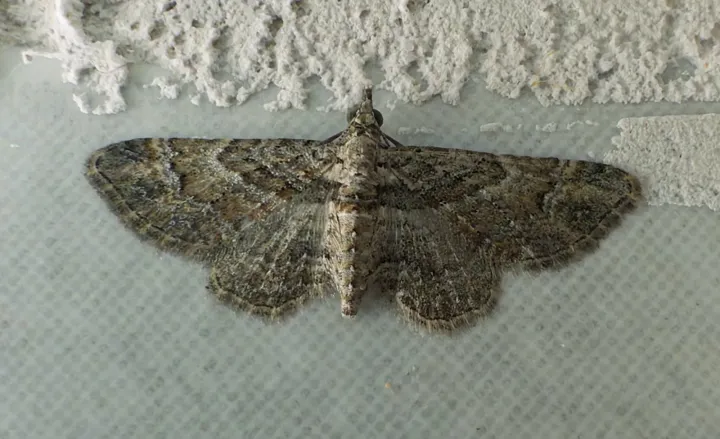
The Double-striped pug (Gymnoscelis rufifasciata) is a small moth belonging to the Geometridae family. These insects are known for their distinct appearance and resting posture.
The moth typically has a wingspan ranging from 15 to 20 mm. Its forewings are mottled with shades of grey and brown, featuring characteristic dark transverse stripes.
The larvae, or caterpillars, are highly variable in color, often matching the specific host plant flowers or buds they feed upon, providing effective camouflage.
As members of the Geometridae family, the larvae move in a unique looping motion, which is facilitated by the reduction of abdominal prolegs.
This species typically undergoes multiple generations per year depending on the climate, with pupae overwintering in the soil or among organic debris.
What it damages
The Double-striped pug is considered a polyphagous pest, meaning it feeds on a wide range of plants, particularly focusing on their reproductive parts.
Caterpillars primarily target the buds and flowers of ornamental shrubs and fruit trees, often hollowing out the inside of the bud before it blooms.
Common host plants include roses, hawthorn, honeysuckle, and various members of the Asteraceae family, which suffer significant aesthetic and structural damage.
In fruit orchards, the loss of blossoms and early-stage fruitlets due to larval feeding can lead to a noticeable reduction in seasonal yields.
Damaged flower buds frequently exhibit distorted growth or fail to open entirely, and the open wounds left by the larvae can facilitate fungal infections.
When it appears
Adult moths emerge in early spring, usually as temperatures rise in April or May, marking the beginning of the seasonal cycle.
The species is multivoltine, meaning it can produce two or more generations throughout the warm summer months, extending the threat period.
Larval activity reaches its peak during the main flowering periods of the host plants, as the caterpillars require high-protein flower tissue for development.
By late summer and early autumn, the final generation of larvae reaches maturity and pupates to prepare for the approaching winter dormancy.
Because they are nocturnal, the moths are most easily detected using light traps or pheromone lures placed strategically within the garden environment.
Signs of infestation
The most prominent sign of infestation is the presence of hollowed-out or partially eaten flower buds that fail to develop properly.
Fine silk webbing found between flower petals or leaves often indicates the presence of a feeding larva preparing a protected shelter.
Small, dark frass (droppings) on the leaves or stems directly beneath the flower clusters serves as a clear indicator of active larval feeding.
Premature dropping of buds and undeveloped fruitlets is another typical symptom, especially if the infestation has been prolonged over several weeks.
- Holes bored into the side of flower buds.
- Distorted, stunted blossoms on ornamental shrubs.
- Presence of slender, variable-colored caterpillars on flower heads.
Control measures
Cultural control measures, including fall soil cultivation and the removal of plant debris, are effective at reducing the overwintering pupal population.
Biological control using formulations based on Bacillus thuringiensis is a highly effective and environmentally friendly way to target the larvae.
Chemical intervention should be reserved for severe infestations and applied carefully to minimize the impact on beneficial non-target insects.
Avoid applying insecticides during the peak bloom period to protect essential pollinators, such as bees, which visit the same host plants.
Regular visual inspections and hand-picking of caterpillars from small ornamental plantings can keep the population below the damage threshold.
Taxonomy
- Latin name
- Gymnoscelis rufifasciata
- Order
- Lepidoptera (butterflies)
- Family
- Geometridae
- EPPO code
- TEPHPU
Discussion
No discussions yet — be the first.