
Gymnoscelis
Gymnoscelis
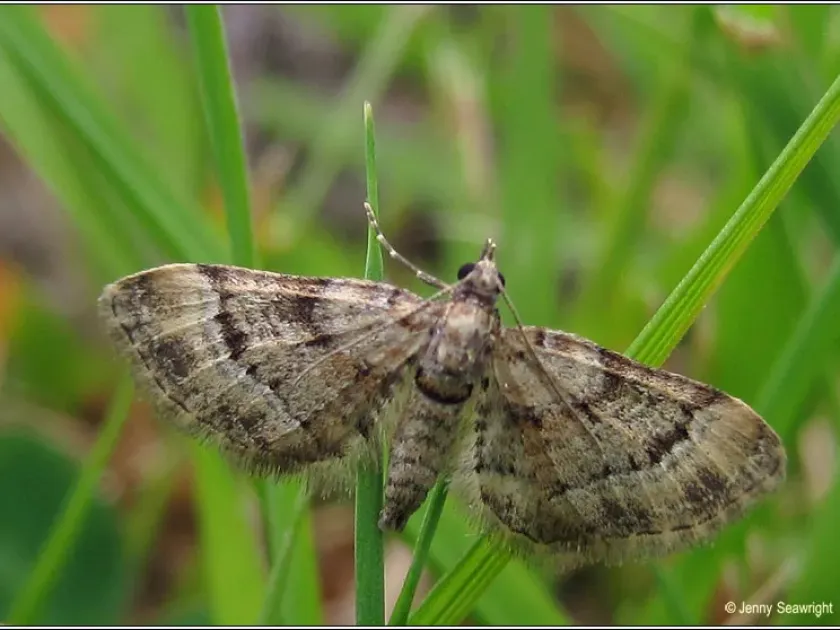
Description
How to identify
Gymnoscelis is a genus of moths belonging to the family Geometridae. Adult moths are relatively small, typically having a wingspan of 15–20 mm, with cryptic coloration that allows them to blend into bark or foliage.
The larvae, commonly known as loopers or inchworms, exhibit varied coloration, often matching the color of the host plant's buds or flowers. This makes them exceptionally difficult to detect during the early stages of infestation.
Systematically, this genus falls under the subfamily Larentiinae. They undergo complete metamorphosis, passing through four distinct life stages: egg, larva, pupa, and adult moth.
Overwintering usually occurs in the pupal stage, buried in the soil or hidden within leaf litter, which provides necessary thermal insulation against harsh winter temperatures.
Identification of adult moths is best performed using light traps, which reveal the presence and population density of the pest before significant egg-laying occurs on the target crops.
What it damages
The primary damage is caused by the larval stage, which feeds exclusively on the reproductive organs of plants, including flower buds, developing blossoms, and young ovaries.
A wide variety of plants are susceptible, including ornamental flowers, fruit trees, and various herbaceous crops, with a notable preference for those in the Rosaceae family.
Larvae often bore into the center of the bud, consuming the inner floral tissues. This destructive feeding habit prevents normal blooming and often leads to the total abortion of the flower.
These pests frequently bind petals together with fine silk threads, creating a protective enclosure that shelters them from predators and direct contact with topical pesticides.
In high-density infestations, Gymnoscelis larvae can cause severe economic losses by reducing fruit set and ruining the aesthetic value of ornamental garden plants.
When it appears
Adult moths typically emerge in late spring, with the timing closely aligned with the bud break and early flowering stages of the host plants.
Depending on the climatic zone, the genus may produce one or two generations annually, with the second generation often appearing in mid-to-late summer.
The period of larval activity is highly synchronized with the flowering phenology of the plants, as the larvae require high-protein tissues of buds for rapid development.
Environmental factors such as temperature and humidity significantly influence the development speed, potentially shortening the cycle and increasing the number of generations.
Pupation takes place toward the end of the season, marking the transition to the dormant winter phase, which is a critical time for implementing preventive soil treatments.
Signs of infestation
Early symptoms of an infestation include the presence of withered, stunted, or misshapen buds that fail to open despite adequate irrigation and care.
The inside of damaged buds often contains small, dark, granular frass, which serves as a definitive indicator of caterpillar activity within the floral structures.
Silk webbing on the flower heads is a strong diagnostic sign, indicating the presence of larvae that have spun the petals together to protect themselves while feeding.
Premature bud drop, occurring before the flowers reach full maturity, is another common symptom resulting from the destruction of the plant's internal reproductive tissues.
Careful inspection of the foliage near the buds may reveal small, irregular holes in the petals or the complete disappearance of stamens and pistils.
Control measures
Chemical control involving systemic insecticides is the most effective approach for managing populations, especially when applied during the early bud development stage.
Care must be taken to choose products that minimize impact on beneficial pollinators, strictly adhering to label warnings regarding use during active flowering periods.
Cultural practices, such as removing weeds and cleaning up plant debris in the autumn, reduce overwintering sites for pupae and help limit population growth.
Tilling the soil around the base of host plants in late autumn or early spring can physically expose pupae, making them vulnerable to birds and environmental stress.
Biological control using microbial insecticides based on Bacillus thuringiensis can be highly effective in controlling the larvae while being safe for the wider ecosystem.
Taxonomy
- Latin name
- Gymnoscelis
- Order
- Lepidoptera (butterflies)
- Family
- Geometridae
- EPPO code
- GYMLSP
Discussion
No discussions yet — be the first.