
Field cricket
Gryllulus
Description
How to identify
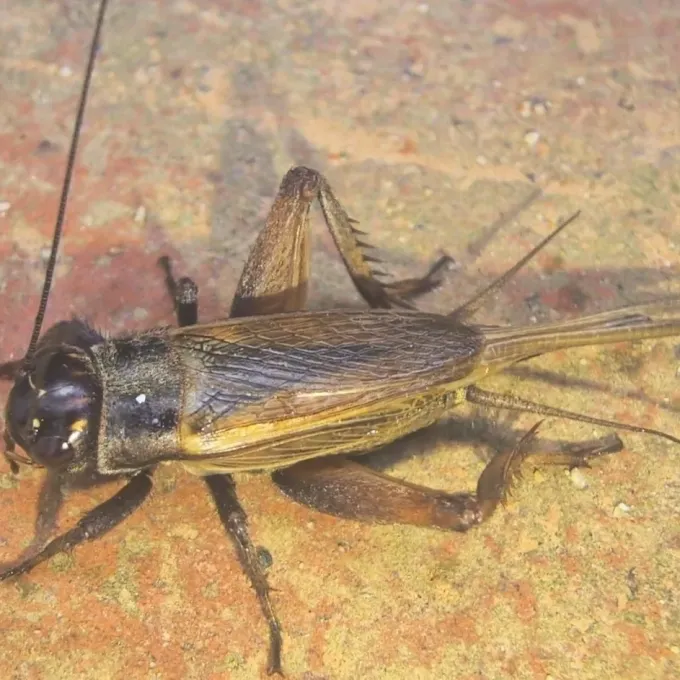
The field cricket (Gryllus campestris) is an insect belonging to the order Orthoptera and the family Gryllidae. Adults typically reach a size of 20 to 27 millimeters in length.
The body is robust and predominantly black, with a large, rounded head. A distinctive feature is a yellowish mark at the base of the forewings, which helps distinguish it from other species.
Nymphs resemble smaller, wingless versions of adults. They spend most of their time in self-excavated burrows in the soil, which serve as their primary shelter and protection.
Males are well-known for their loud chirping, produced by rubbing their wings together to attract females. This behavior makes their presence in an area highly audible during late spring and summer.
They prefer warm, sunny environments and well-drained soil, often creating complex burrow systems that can extend several centimeters deep into the ground.
What it damages
Field crickets are polyphagous, meaning they feed on a wide variety of plant material. They pose a significant threat to agricultural crops, especially during the early stages of growth.
Seedlings of vegetable crops such as tomatoes, cucumbers, cabbage, and peppers are particularly vulnerable. Crickets chew through the stems near the soil level, causing the plant to collapse.
They also cause considerable damage to sugar beets, sunflowers, and cereal grains. In areas with high population density, they can rapidly thin out crop stands.
Besides stems and foliage, field crickets may feed on germinating seeds and the delicate roots of young plants, which negatively affects crop establishment.
- Vegetable seedlings
- Sunflowers and sugar beets
- Young cereal plants
- Various ornamental garden plants
When it appears
The life cycle of the field cricket is typically univoltine, spanning one year. They spend the winter in the nymph stage, hidden deep within their burrows in the soil.
As soil temperatures rise in the spring, nymphs emerge to feed and develop. This feeding period coincides with the emergence of many early-season agricultural crops.
Pupation occurs in late spring, leading to the emergence of adults. The adult phase is most active during June and July, which is the primary period for mating.
Females lay eggs in the soil during mid-summer. After embryonic development, the new generation of nymphs hatches toward the end of the summer season.
These young nymphs feed actively during the late summer and early autumn months to build up energy reserves before retreating into the soil for winter hibernation.
Signs of infestation
The presence of field crickets is indicated by small, circular burrows in the soil, usually 1 to 1.5 cm in diameter, often accompanied by plant debris near the entrance.
Damaged seedlings that appear to be cut at the base are a hallmark of cricket activity. Affected plants are often found lying on the ground near the cut point.
The loud, rhythmic chirping of males during warm evenings is a reliable auditory sign that a population is established and active in the nearby area.
Visual inspection at night with a flashlight often reveals individuals on the soil surface near their burrows, providing a clear indication of infestation levels.
Excrement piles and small areas of missing leaf tissue on low-growing plants serve as additional clues for agronomists to identify the source of the crop damage.
Control measures
Deep autumn plowing is a highly effective cultural control method. It disrupts the burrows and exposes overwintering nymphs to harsh weather conditions, leading to population decline.
Regular cultivation and hoeing of fields and garden beds throughout the growing season disturb the crickets' habitats and destroy egg clusters laid in the upper soil layers.
Maintaining clean field margins by removing weeds reduces the available shelter and secondary food sources, making the agricultural environment less hospitable to the insects.
For high-density infestations, poisoned baits containing insecticides can be placed in the evenings. This target-specific approach helps reduce crop damage while minimizing chemical impact.
Chemical control with systemic or contact insecticides may be necessary if threshold levels of plant loss are exceeded, ensuring the protection of young crop stands.
Taxonomy
- Latin name
- Gryllulus
- Order
- Orthoptera (locusts)
- Family
- Gryllidae
- EPPO code
- GRYLSP
Discussion
No discussions yet — be the first.