

Pest · Lepidoptera (butterflies) · affects Pea, Winter wheat, Fodder beet
Especially harmful
Pea moth
Cydia nigricana
Description
How to identify
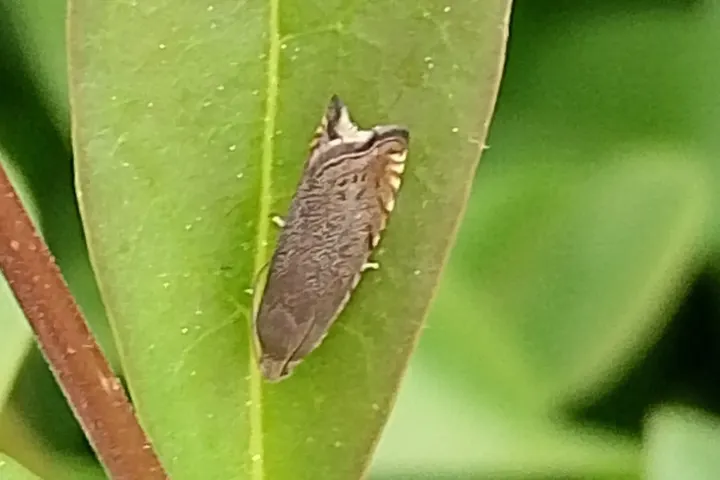
The pea moth (Cydia nigricana) is a small moth belonging to the family Tortricidae. Adult moths have a wingspan of approximately 12–17 mm and possess dark brown or grayish-brown forewings, typically marked with distinctive white streaks along the front edge.
The larvae, or caterpillars, reach lengths of 12–15 mm and are easily identified by their creamy white bodies and dark, distinctively brown heads. They are the primary life stage responsible for damaging agricultural crops.
The life cycle of the pea moth includes the egg, larva, pupa, and adult stages. This insect is highly synchronized with the phenology of its host plants, typically peaking during the flowering and pod-setting periods.
Cydia nigricana overwinters as mature larvae within silken cocoons buried in the soil. As temperatures rise in spring, they pupate, and the emergence of adults is closely timed with the flowering stage of pea crops.
Females deposit eggs on the surface of leaves, stipules, and young pods. Upon hatching, the larvae quickly bore into the developing pea pods to feed on the tender seeds inside, completing their growth within the pod.
What it damages
The pea moth is a specialist pest primarily affecting field peas (Pisum sativum). It can also occur on related legume crops such as vetch, lentils, and sweet peas, depending on local availability and environmental conditions.
It is important to clarify that crops like oats, barley, fodder beet, oilseed rape, cabbage, hops, apple trees, or alfalfa are not host plants for the pea moth. Any association of these crops with Cydia nigricana is agronomically inaccurate.
The larval feeding causes significant reduction in crop yield and quality. By consuming the developing seeds, the larvae leave deep cavities and contaminate the remaining grain with frass, making the crop unsellable.
Secondary infections, such as fungal pathogens or bacteria, often colonize the damaged pods, leading to further rotting and total loss of the affected seeds within the plant tissue.
Heavy infestations, if left uncontrolled, can result in 30% to 50% losses. This economic impact makes the monitoring and management of the pea moth a standard requirement in commercial pea production.
Signs of infestation
Early indicators of an infestation include the presence of tiny, oval, translucent eggs on the underside of leaves or on the stipules of pea plants during the flowering stage.
The most reliable sign of damage is the presence of small, white or yellowish caterpillars inside the pods. The interior of the pod often contains silk webbing and small dark fecal pellets, which distinguish the damage from other pests.
As the larvae grow, they leave visible entry points on the outer surface of the pod. These marks are often small, inconspicuous, but significant enough to confirm the pest's presence in a field sample.
When the larvae finish feeding, they bore a clean exit hole through the pod wall to drop into the soil for pupation. Finding empty pods with neat, circular exit holes is a clear indicator that the larvae have completed their development.
During the harvest, high numbers of damaged or hollowed-out seeds within the grain lot confirm that the pea moth population was significant, signaling a need for improved control measures in subsequent planting seasons.
Control measures
Cultural control is essential. Early sowing of peas can help the crop reach the maturity stages where pods are less susceptible to the peak of the moth's egg-laying activity, thereby avoiding the worst damage.
Deep plowing after harvest disrupts the overwintering sites of the larvae in the soil. This exposes the cocoons to cold, desiccation, and natural predators, which significantly reduces the survival rate of the next generation.
Biological control options include the use of Trichogramma wasps, which are egg parasitoids. Releasing these beneficial insects at the onset of flowering can effectively parasitize moth eggs, providing a sustainable way to limit population growth.
Chemical control is based on the use of pheromone traps to monitor adult moth numbers. When the threshold is reached, insecticides are applied during the short window before the newly hatched larvae penetrate the pod walls.
Maintaining a robust crop rotation plan is vital. Avoiding the planting of peas on the same field for at least 4–5 years breaks the life cycle of the pea moth, effectively managing the population density over time.
In brief
14
Damages crops
Content graph
Damages crops · 14
Content graph
Connections · Pea moth
Most often together:
Marketplace
Products · 5


Biology
Taxonomy
- Latin name
- Cydia nigricana
- Order
- Lepidoptera (butterflies)
- Family
- Tortricidae
- EPPO code
- LASPNI
Community
Discussion
No discussions yet — be the first.