
Goniodoma
Goniodoma
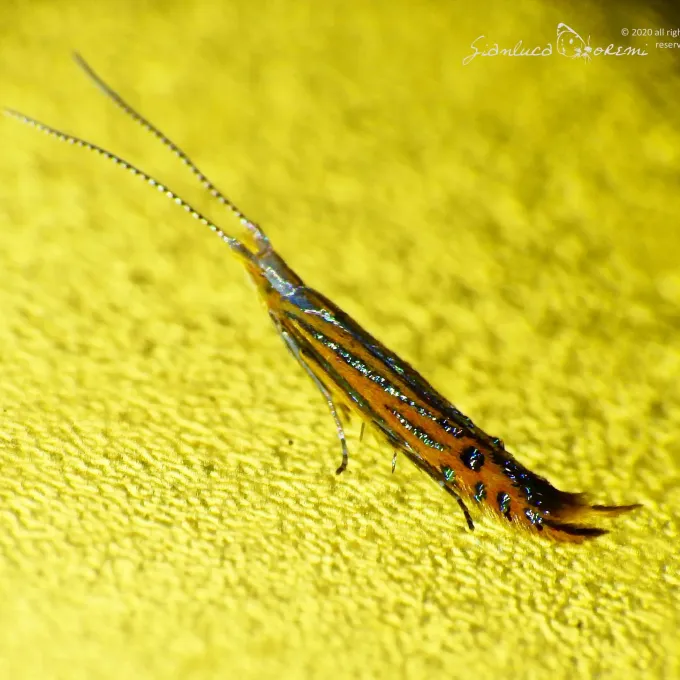
Description
How to identify
Goniodoma is a genus of moths belonging to the family Coleophoridae, order Lepidoptera. These insects are known as case-bearer moths because their larvae construct unique, portable protective cases to shield themselves during development.
The adults are small moths with slender, pointed wings often adorned with long fringes. They are generally nocturnal and cryptically colored, making them difficult to spot during daytime surveys in agricultural fields.
The larval stage is the most significant in terms of morphology and activity. The caterpillars use silk and pieces of host plant leaves to build their cases, which they carry around as they feed on the plant tissues.
Taxonomically, the genus is well-defined by the specific structure of its larval cases, which serve as a primary diagnostic feature for entomologists. Identifying these cases is the most reliable way to confirm the presence of this pest.
Their lifecycle follows a complete metamorphosis pathway. Each stage is adapted to survival within specific host plant microhabitats, which is a key factor in their success as herbivores in various ecosystems.
What it damages
Goniodoma larvae primarily attack herbaceous plants, including various weed species and certain agricultural crops. They feed on the leaf epidermis and parenchyma, leading to localized damage known as leaf mining or skeletonization.
As the larvae grow, they consume larger portions of the leaf, creating distinct holes or windows. This reduces the photosynthetic area of the host plant, resulting in stunted growth and weakened physiological condition.
Heavy infestations can cause premature yellowing and dropping of leaves. The feeding activity also creates wounds that allow opportunistic pathogens, such as fungal spores or bacteria, to enter the plant tissues.
The economic impact of this pest is primarily related to the reduction of vegetative biomass. In crop production, this can lead to lower yields, especially when the infestation coincides with critical growth stages of the plant.
Plants weakened by larval feeding become more susceptible to environmental stress, such as drought or heat. This cumulative effect can significantly jeopardize the overall crop health if left untreated.
When it appears
The seasonal activity of Goniodoma is closely tied to the growing season of its host plants. Larvae emerge from winter dormancy as temperatures rise in the spring, typically coinciding with the early stages of plant development.
Adult moths are typically active during the summer months. They lay eggs on the leaves of host plants, starting a new generation. Depending on the local climate, the species may complete one or more generations per year.
Pupation occurs within the larval case, which is often anchored to a stem or the underside of a leaf. The insect remains in this protective stage until the adult moth emerges to continue the reproductive cycle.
The most intense feeding damage occurs during the period of rapid larval growth in late spring and early summer. Monitoring programs should focus on these periods to ensure timely management of the pest population.
Overwintering typically occurs as a larva inside the case, hidden within plant debris or near the base of the stem. This survival strategy ensures that the population persists even in regions with cold winters.
Signs of infestation
The most obvious signs of a Goniodoma infestation are the characteristic feeding marks on the leaves. These often appear as translucent spots or thin patches where the larvae have consumed the inner plant tissue.
- Presence of small, conical or tubular cases attached to leaves or stems.
- Translucent "windows" or mines on the leaf surface.
- Premature yellowing or browning of foliage.
- Distorted or curled leaf margins where larvae have sought shelter.
- Presence of small fecal pellets (frass) near the feeding sites or inside the cases.
Observing the underside of leaves during the daytime often reveals the larvae resting within their cases. Their movement is slow and deliberate, and they often freeze when disturbed to blend in with the leaf surface.
In severe cases, the foliage may look ragged, with many small holes scattered across the leaf blade. This damage pattern is highly characteristic of Coleophoridae larvae and indicates a need for immediate intervention.
Control measures
Effective management of Goniodoma relies on integrated pest management (IPM) practices. The first line of defense is the regular removal of weeds that act as alternate hosts, which helps limit population buildup.
Deep autumn plowing is a highly recommended agricultural practice to bury plant debris and destroy the overwintering sites of the larvae. This physical disruption is often sufficient to significantly reduce population numbers.
Biological control, using microbial insecticides such as those containing Bacillus thuringiensis, can be very effective against younger larval stages. These treatments have minimal impact on non-target organisms.
Chemical control should be reserved for cases where economic thresholds are exceeded. Systemic insecticides are generally more effective against larvae feeding inside their cases, but they must be applied according to local safety guidelines.
Monitoring using light traps for adults and visual inspections of foliage for cases allows for precise timing of interventions. Early detection remains the most effective tool in preventing widespread crop loss from this pest.
Taxonomy
- Latin name
- Goniodoma
- Order
- Lepidoptera (butterflies)
- Family
- Coleophoridae
- EPPO code
- GNDMSP
Discussion
No discussions yet — be the first.