
Augasma
Augasma
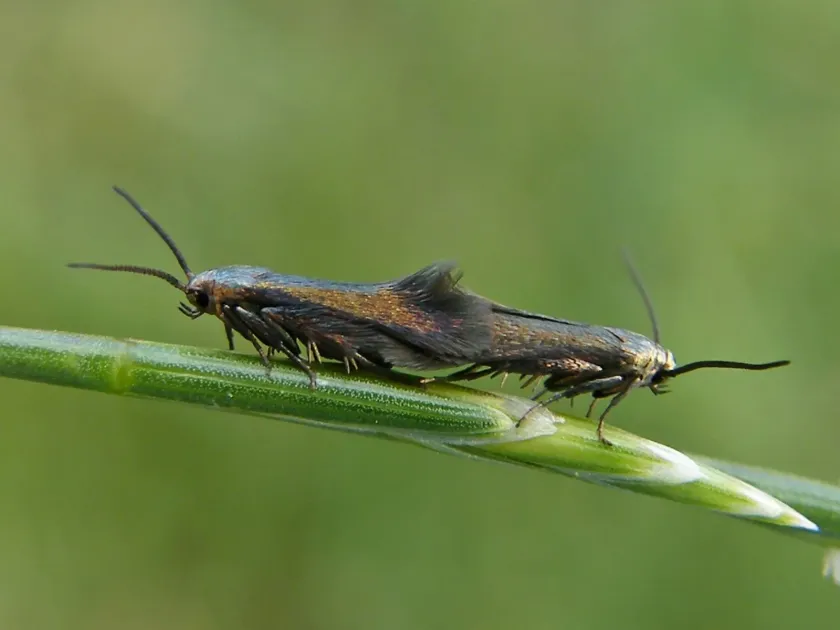
Description
How to identify
Augasma is a genus of moths belonging to the family Coleophoridae (case-bearer moths). These insects have a specialized life cycle where larvae are closely associated with host plant tissues.
Adult moths are typically small and nocturnal or crepuscular. Their wing coloration is often cryptic, featuring gray or brownish tones that provide camouflage against vegetation during the day.
Larvae are characterized by the construction of a portable case made of silk and plant fragments. This case serves as a vital shelter, protecting the larva from environmental stressors and predators.
The systematic position of the genus is well-defined within Coleophoridae, a diverse family known for species that feed specifically on various plant parts.
Accurate species identification often requires microscopic examination of the genitalia, as many members of the genus appear morphologically similar to the naked eye.
What it damages
The primary food source for Augasma larvae consists of plants from the Asteraceae family, particularly those within the Centaurea (knapweed) genus.
The pest targets the generative organs of the plants, burrowing into buds and inflorescences. This behavior disrupts seed development and significantly reduces the reproductive potential of the crop.
In cases of high infestation, the pest can destroy a large portion of the seed yield, which poses a serious threat to seed production farms and ornamental nurseries.
Damage caused internally is often not visible until the flower begins to wither prematurely or shows clear signs of deformation.
Secondary damage includes weakening the host plant, making it more susceptible to opportunistic phytopathogens and fungal infections at the entry sites.
When it appears
The development of Augasma is strictly synchronized with the phenology of its host plants. The cycle typically initiates during the budding and flowering phase of knapweed.
Adults emerge in late spring or summer when conditions are favorable for flight and oviposition on leaves or buds.
The larvae undergo several developmental stages, feeding on plant tissues for weeks before entering the pupation phase.
Overwintering usually occurs at the pupal or larval stage, tucked away in protected environments such as soil or plant debris to survive cold temperatures.
Monitoring the pest population is best achieved using pheromone traps or visual inspections of inflorescences during the onset of the flowering season.
Signs of infestation
A key indicator of infestation is the presence of deformed or unopened buds, which often contain larvae or frass deposits.
Surface traces, such as mines where larvae consumed the epidermis before moving into the flower head, can sometimes be seen on leaves or stems.
The presence of portable larval cases attached to the host plant is definitive evidence of an Augasma infestation.
Premature wilting of individual florets within an inflorescence often signals damage to the floral receptacle caused by the larva.
- Bud deformation.
- Presence of portable larval cases.
- Premature petal fall.
- Reduced quality of harvested seeds.
Control measures
The most effective management strategy involves agricultural control, specifically the removal of wild Asteraceae weeds near cultivated fields.
Deep autumn plowing is a recommended cultural practice to destroy a significant portion of overwintering pupae residing in the soil.
When the economic injury level is reached, the application of systemic insecticides that penetrate plant tissues is recommended for effective suppression.
Biological control efforts include encouraging natural enemies, such as parasitic wasps, which can help keep pest populations below the threshold.
Routine monitoring and the immediate removal of infested inflorescences significantly lower the pest population and prevent outbreaks in subsequent growing seasons.
Taxonomy
- Latin name
- Augasma
- Order
- Lepidoptera (butterflies)
- Family
- Coleophoridae
- EPPO code
- AUGASP
Discussion
No discussions yet — be the first.