
Augasma aeratella
Augasma aeratella
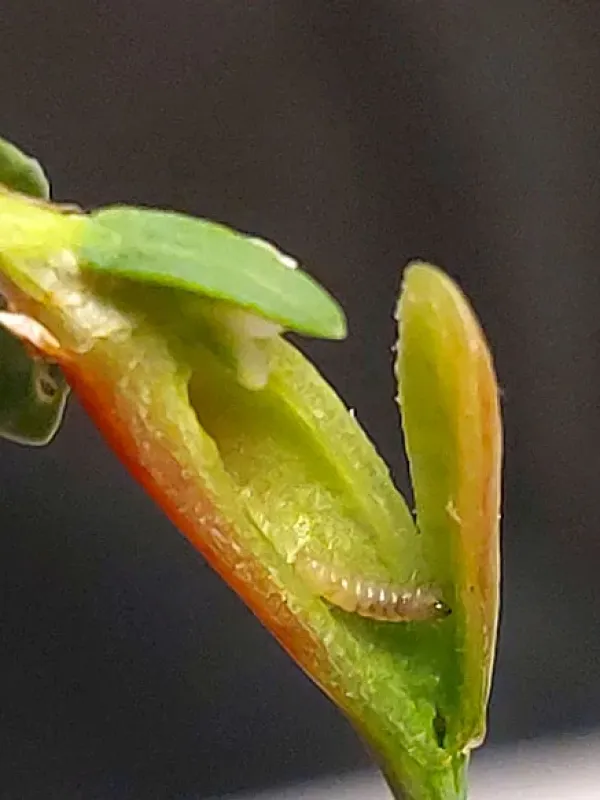
Description
How to identify
Augasma aeratella is a species of moth belonging to the family Coleophoridae, known as case-bearer moths. It is a small insect that exhibits a highly specialized life cycle linked to its host plant.
The adult moth features slender, narrow wings with fringed edges, characteristic of the Coleophoridae family. Its coloration is typically muted, providing camouflage on the stems of its host.
The species is primarily identified through the formation of distinctive galls on the plants it infests. These galls are distinct anatomical changes induced by the larvae during their feeding process.
Taxonomically, the species is distinct due to the specific plant hosts it chooses, making field identification relatively straightforward for those familiar with the local flora.
Microscopic examination of genitalia is sometimes required for formal scientific classification, but in agricultural practice, the gall formation is the primary indicator.
What it damages
The primary host plant for Augasma aeratella larvae is Polygonum aviculare, commonly known as prostrate knotgrass. The pest shows extreme host specificity, rarely attacking other species.
Larval feeding activity occurs within the plant tissue, inducing the plant to create a gall around the insect. This process redirects the plant's resources to the detriment of its normal development.
The resulting galls disrupt the vascular system of the host plant, hindering the flow of water and nutrients to the terminal parts of the stem.
Damage to the plant includes physical deformation, stunted growth, and a significant reduction in the plant's ability to produce flowers and seeds.
In dense infestations, the cumulative damage can lead to the widespread wilting of knotgrass patches, effectively acting as a form of natural biological suppression of the weed.
Signs of infestation
The most visible sign of infestation is the presence of hard, swollen galls on the stems of knotgrass plants. These structures can vary slightly in size depending on the larval stage.
Leaf yellowing and premature drying of the affected stem segments often accompany the presence of these galls, as the vascular system becomes compromised.
Small circular exit holes on the surface of the gall indicate that the moth has completed its pupal stage and emerged as an adult.
Careful dissection of the gall reveals the larva or the pupal case, confirming the presence of the insect within the plant tissue.
Lack of proper fruit or seed development in areas where galls are concentrated is another common indicator of heavy pest presence.
Control measures
Direct chemical control measures against Augasma aeratella are rarely warranted in standard agricultural systems because the pest focuses primarily on non-crop weeds.
Mechanical control, such as mowing or tillage, is the most effective way to manage the population by destroying the host plant and the overwintering pupae.
Deep plowing after the growing season helps bury plant debris, effectively disrupting the life cycle of the moth and preventing the emergence of the next generation.
If an infestation occurs in sensitive horticultural areas, conventional insecticides that target lepidopteran pests can be applied during the flight period of the adult moths.
Integrated Weed Management (IWM) strategies are recommended, as maintaining healthy, competitive crops naturally limits the availability of the host plant and prevents mass outbreaks.
Taxonomy
- Latin name
- Augasma aeratella
- Order
- Lepidoptera (butterflies)
- Family
- Coleophoridae
- EPPO code
- AUGAAE
Discussion
No discussions yet — be the first.