
Glena bisulca
Glena bisulca
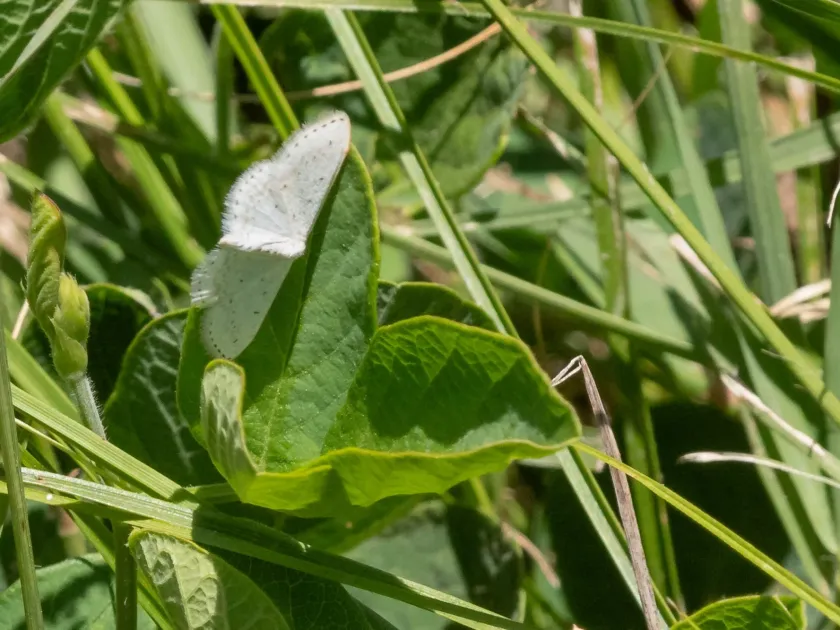
Description
How to identify
Glena bisulca is a moth species belonging to the Geometridae family, commonly known as geometrid moths. These insects are well-adapted to camouflage, appearing almost invisible when resting on tree bark.
The larvae are classic "loopers," characterized by their unique movement and elongated bodies. Their coloring typically matches the foliage or bark of their host trees, providing effective protection against predators.
The species undergoes complete metamorphosis: egg, larva, pupa, and adult. Each stage is strictly influenced by seasonal changes, making the life cycle highly dependent on the host plant's phenological development.
Classified under the order Lepidoptera, these moths exhibit physiological traits that allow them to thrive in temperate climates, often leading to seasonal population spikes.
Entomological monitoring is crucial to distinguish this species from other look-alike geometrids in forest ecosystems to ensure the correct application of control measures.
What it damages
This pest primarily attacks various woody plants. The larvae feed on the foliage, frequently consuming leaves entirely, which directly impacts the host plant's ability to undergo photosynthesis.
High-density infestations often lead to significant defoliation, which severely stresses the trees, making them susceptible to secondary infections, fungal diseases, and drought stress.
In addition to foliage loss, the larvae may feed on tender terminal buds, which distorts the natural growth architecture of the tree and impacts the future quality of the timber or nursery stock.
Reduced photosynthetic activity negatively affects the tree's energy storage, often leading to stunted growth, reduced biomass, and in extreme cases, partial limb dieback.
The economic impact is multifaceted, involving potential losses in forest productivity and the significant costs associated with monitoring and chemical or biological intervention.
Signs of infestation
Early warning signs include irregular, jagged feeding marks along the edges of leaves. As the larvae grow, their consumption rate increases, leading to noticeable tissue loss.
Frass (larval droppings) accumulating on the lower leaves or the ground beneath the host tree is a definitive indicator of an active population inhabiting the canopy.
Silk webbing is another common sign, as the larvae often use silk to secure themselves to branches or to construct protective shelters during periods of inactivity.
Premature leaf yellowing or browning, combined with sparse foliage in the upper crown, often suggests that the pest infestation has reached a significant level.
Light trap catches of adult moths during their flight season serve as an early detection mechanism for forest managers to start implementing protective strategies.
Control measures
Biological control, particularly utilizing Bacillus thuringiensis, is highly effective against early larval stages while minimizing impact on non-target species and the environment.
Pheromone-based monitoring tools allow agronomists and foresters to track population trends accurately and time interventions to disrupt the mating cycle.
Chemical control should be reserved for outbreaks that exceed economic thresholds. It is essential to use products with low toxicity to beneficial insects to maintain natural biological balance.
Promoting diverse forest structures helps in naturally controlling Glena bisulca populations by providing habitats for parasitoids and predatory insects that feed on the larvae.
Integrated Pest Management (IPM) practices, such as clearing debris and managing tree density, create less favorable conditions for the survival and multiplication of this geometrid species.
Taxonomy
- Latin name
- Glena bisulca
- Order
- Lepidoptera (butterflies)
- Family
- Geometridae
- EPPO code
- GLEABI
Discussion
No discussions yet — be the first.