
Geomalacus
Geomalacus
Description
How to identify
Geomalacus is a genus of air-breathing land slugs in the family Arionidae. The most notable member of this group is the Kerry slug, Geomalacus maculosus.
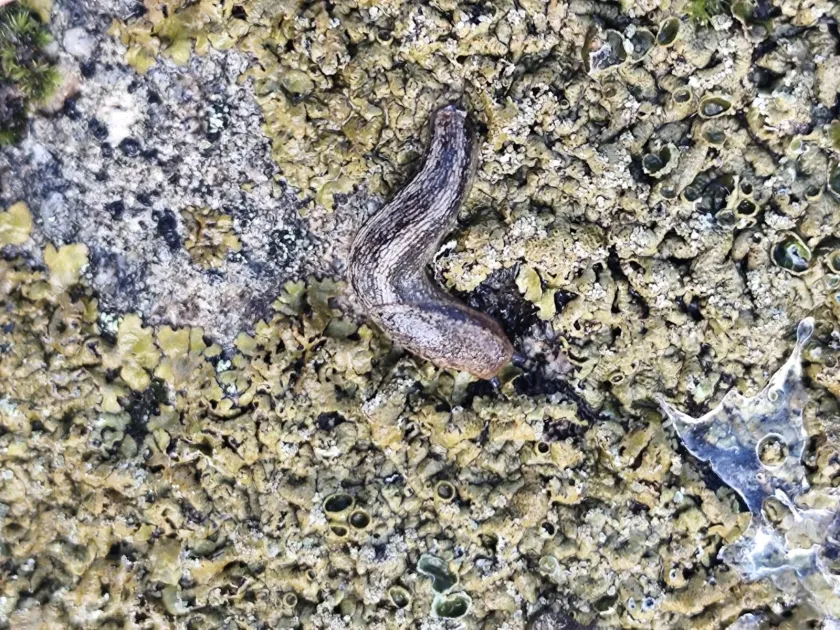
Physically, these slugs are recognized by their distinct spotted or reticulated patterns on their bodies, which provide effective camouflage in their natural habitat.
Adult specimens typically measure around 7 to 8 cm in length. Their bodies are covered in a thick layer of mucus, which prevents desiccation during drier periods.
The breathing pore is located on the right side of the mantle. These slugs are unique for their ability to climb vertically, frequently observed on tree trunks and rocky surfaces.
Being primarily nocturnal, they prefer humid, shaded environments where they can remain protected from direct sunlight and environmental extremes.
What it damages
Geomalacus species are polyphagous pests, capable of feeding on a wide variety of plant species, including both horticultural crops and ornamental flora.
They are particularly destructive to young leaves of vegetable crops such as lettuce and cabbage, as well as soft berries like strawberries and tomatoes.
In ornamental gardens, they can severely damage flower buds and young shoots, significantly impacting the aesthetic quality and health of the plants.
Nurseries and greenhouses are especially vulnerable, as young seedlings can be completely decimated by a localized infestation of these mollusks.
Beyond direct feeding damage, their mucus trails harbor various pathogens, which may lead to secondary fungal or bacterial infections in damaged tissues.
When it appears
The activity of Geomalacus is highly dependent on environmental conditions, specifically moisture levels and temperature during the growing season.
Spring marks the beginning of their peak activity as temperatures rise and frequent rains provide the moist conditions necessary for their emergence.
During the hot summer months, they often seek refuge in deep soil crevices, under dense vegetation, or beneath mulch where they can conserve moisture.
Autumn brings a resurgence of activity, as slugs feed intensely to prepare for winter hibernation and subsequent reproduction phases.
Their life cycle allows them to adapt to varying climates, though they always prioritize environments that maintain high humidity levels year-round.
Signs of infestation
The primary symptom of a Geomalacus infestation is the presence of irregular, ragged holes in the leaf foliage of host plants.
Silvery, dried mucus trails left on soil surfaces, leaves, or stems serve as an unmistakable sign of slug presence in the garden or greenhouse.
Direct sightings of the slugs are most frequent at night or during overcast, rainy days when the humidity is sufficient for them to move freely.
Fruit that has been attacked often exhibits deep cavities or shallow abrasions, which usually results in rot or total spoilage of the crop.
Monitoring boards or wet burlap sacks placed in garden beds can be used as effective indicators to confirm the density of the slug population in an area.
Control measures
Controlling Geomalacus requires an integrated pest management approach that combines cultural, mechanical, and chemical control tactics.
- Clearing garden debris and weeds to eliminate potential shelter sites for slugs.
- Establishing physical barriers like wood ash, gravel, or crushed shells around vulnerable crops.
- Manual collection of slugs during early morning or evening hours.
- Using molluscicides (e.g., iron phosphate pellets) if infestation levels are critically high.
- Encouraging natural predators such as hedgehogs, frogs, and ground beetles in the garden.
Proper irrigation management is vital; avoiding evening watering can help keep the soil surface drier, making the area less hospitable for slug migration.
Regular cultivation and hoeing of the soil disturb the slugs' hiding spots and destroy their nests, effectively limiting their reproductive success in the garden.
Taxonomy
- Latin name
- Geomalacus
- Order
- Molluscs
- Family
- Arionidae
- EPPO code
- GEOASP
Discussion
No discussions yet — be the first.