
Domestic chicken
Gallus
Description
How to identify
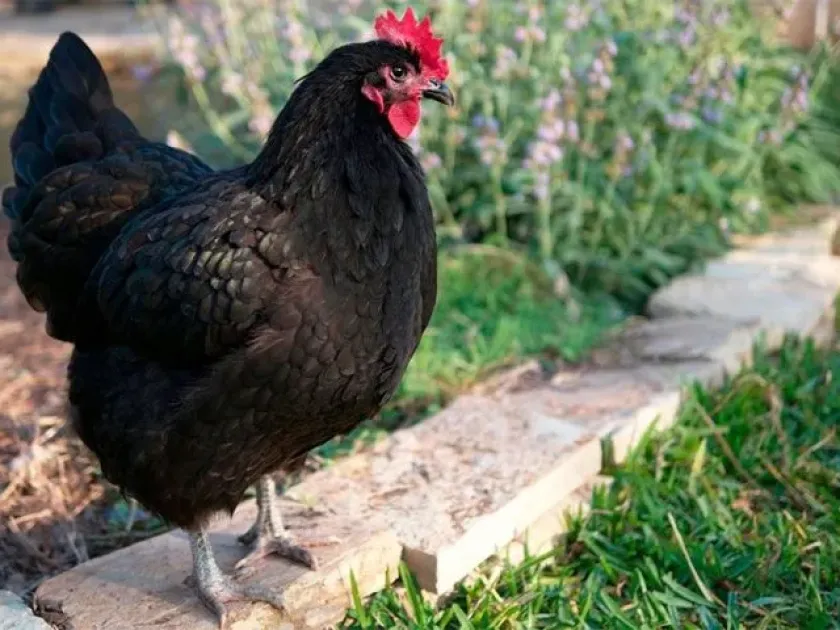
The domestic chicken (lat. Gallus gallus domesticus) is a domesticated bird of the order Galliformes and the family Phasianidae. In agricultural terms, it is considered a non-specialized opportunistic pest.
Chickens possess strong claws and feet specifically adapted for scratching and foraging in the soil, which leads to physical destruction of garden beds.
They are characterized by a sharp beak and high curiosity, which drives them to investigate and consume any emerging sprouts or accessible seeds in the garden.
The birds are gregarious, and their collective foraging behavior can result in rapid and localized destruction of vegetable crops within a short timeframe.
While they consume small insects, their overall impact on agricultural crops is predominantly negative due to scratching, trampling, and direct herbivory.
What it damages
The primary damage occurs to vegetable seedlings, such as brassicas, lettuce, and leafy greens, which are consumed entirely during their early development.
Soft fruits, particularly strawberries and raspberries, are highly susceptible to pecking damage, which renders the fruit unmarketable and prone to decay.
Cereal crops are severely affected, as chickens dig up seeds before germination and destroy young tillers during the early stages of growth.
Ornamental flower beds are frequently damaged when birds scratch the soil, exposing root systems and causing plants to wither or die.
Root crops like carrots or radishes are often uprooted or pecked while the plants are still immature, leading to complete crop failure in specific areas.
When it appears
The risk of damage begins in early spring when seeds are sown and young seedlings begin to emerge, making them highly vulnerable to foraging birds.
During the summer months, the ripening phase of fruits and vegetables attracts chickens, leading to the destruction of mature produce in the garden.
Autumn remains a period of concern, as chickens scratch through garden beds to locate residual seeds or larvae, potentially damaging winter crop installations.
Throughout the growing season, constant access to the garden allows birds to compact the soil, which disrupts proper aeration and root growth.
Winter access to garden areas can be detrimental as well, especially if the soil is turned, which destroys the soil structure and beneficial microflora.
Signs of infestation
The most distinctive sign of chicken activity is the presence of numerous small, circular pits or depressions in the soil, created by birds dust-bathing.
Physical damage to foliage, typically manifesting as shredded leaves or completely missing seedlings, is a clear indicator of avian interference.
Accumulation of poultry droppings throughout the garden paths and planting beds is a definitive sign of regular chicken activity in the area.
Missing patches in seed rows where kernels have been extracted from the soil surface indicate that chickens have been foraging in the garden.
Punctured fruit skins or berries with small peck marks are classic signs that poultry have been feeding on the harvest.
Control measures
The most effective strategy is to physically exclude the birds from the garden using fencing, such as wire mesh or poultry netting, around the perimeter.
Utilizing row covers or protective netting over young vegetable beds prevents access and allows crops to establish without interference.
Implementing a strict management plan for the chicken flock, including designated outdoor runs, is crucial to prevent free-roaming in the vegetable garden.
Scare tactics, while popular, are generally ineffective in the long term as chickens quickly adapt to static or repetitive deterrents.
- Install fencing at least 1.5 meters high around crop zones.
- Use physical covers for strawberry beds and high-value greens.
- Ensure coop doors are secured to prevent unauthorized garden access.
Taxonomy
- Latin name
- Gallus
- Family
- Phasianidae
- EPPO code
- GALUSP
Discussion
No discussions yet — be the first.