
Mummichog
Fundulus heteroclitus
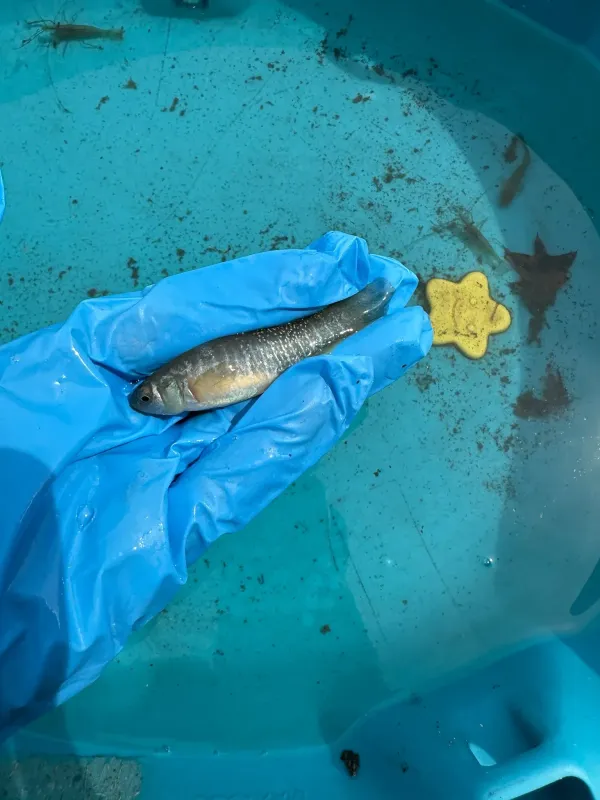
Description
How to identify
The mummichog, scientifically known as Fundulus heteroclitus, is a hardy fish species belonging to the order Cyprinodontiformes and the family Fundulidae.
This species is characterized by its small, stout body and high tolerance for varying environmental conditions, including brackish and low-oxygen waters.
Identification is possible by their rounded fins and distinct coloring, especially in males, who exhibit vertical stripes during the breeding season.
Though not a crop pest in the terrestrial sense, the mummichog is recognized for its ability to invade and dominate confined water systems.
Its biological success stems from its extreme adaptability, allowing it to thrive in polluted or stagnant environments where other fish species would perish.
What it damages
In aquaculture, the mummichog is considered a nuisance because it competes for food resources with more valuable fish species.
The species acts as a predator of fish eggs and larvae, significantly reducing the survival rate of target fish populations in commercial ponds.
Their invasive presence in irrigation networks can lead to the displacement of native aquatic fauna, creating ecological imbalances.
Furthermore, they can cause damage to the root systems of aquatic plants that are used for natural water filtration in agricultural setups.
The total economic impact is reflected in lowered production efficiency and the costs associated with monitoring and controlling invasive fish populations.
When it appears
The activity level of the mummichog is heavily dependent on ambient temperature, showing significant increases during spring and summer months.
Reproductive activities peak during the warmer months when individuals congregate in shallow areas to spawn among vegetation.
As autumn progresses, the fish increase their feeding intensity to store energy reserves necessary for surviving the colder winter months.
During the winter, the fish enter a state of dormancy, often burying themselves in the substrate to avoid extreme cold and low-activity periods.
The seasonal development is synchronous with the vegetation cycles of the pond environment, facilitating the colonization of new water sources.
Signs of infestation
A primary sign of mummichog infestation is the dense concentration of small fish observed in the shallows during the growth season.
- Massive fish aggregations near the water surface.
- A noticeable decline in the population of other aquatic species.
- Reduced availability of small invertebrates in the water.
- Signs of fish activity in zones with poor water quality.
Monitoring the population density using sampling nets in vegetated areas provides a clear indicator of the scale of the infestation.
Changes in the biological structure of the pond, such as the sudden disappearance of beneficial plankton-eating species, indicate potential colonization.
Control measures
Effective management includes the periodic draining and lime treatment of ponds to eradicate both adult fish and potential eggs in the substrate.
Biological control methods involve introducing larger predatory fish that naturally limit the population density of the mummichog.
Mechanical exclusion using fine-mesh screens on irrigation inlets helps prevent the fish from entering critical water distribution systems.
Maintaining clear pond perimeters and removing excessive aquatic vegetation prevents the fish from finding optimal breeding grounds.
Regular ecological monitoring ensures that the population does not reach threshold levels that would compromise the productivity of the water facility.
Taxonomy
- Latin name
- Fundulus heteroclitus
- Family
- Cyprinodontidae
- EPPO code
- FUNUHE
Discussion
No discussions yet — be the first.