
Fundulus
Fundulus
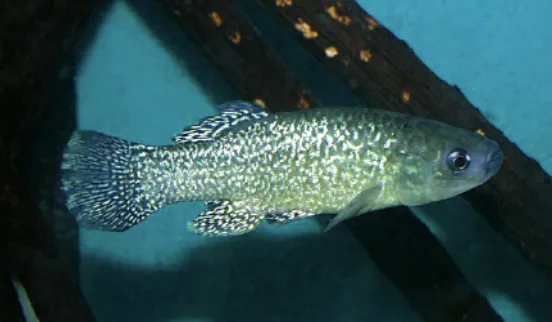
Description
How to identify
The genus Fundulus, belonging to the family Fundulidae within the order Cyprinodontiformes, consists of small fish species often found in brackish and freshwater systems. While primarily aquatic, their interaction with agricultural irrigation systems can classify them as opportunistic pests.
They are morphologically adapted for surface feeding, characterized by a flattened head profile and a superior mouth. Their body shape and size allow them to navigate shallow agricultural water channels with high efficiency.
The biology of Fundulus is marked by high environmental resilience, enabling them to survive in oxygen-poor waters. This adaptability facilitates their colonization of irrigation networks where other species might struggle.
Reproduction typically involves laying eggs on submerged vegetation. The rapid development of fry allows the population to expand quickly during the onset of the irrigation season.
Recognizing these fish in an agricultural context requires an understanding of their habitat preferences: shallow, stagnant, or slow-moving water bodies associated with large-scale cropping.
What it damages
In rice-growing regions, Fundulus can cause significant damage to early-stage crops by browsing on young shoots and germinating seeds, leading to sparse plant density.
The fish activity frequently involves disturbing the sediment around the root zones of young plants, which leads to uprooting and stunted growth due to exposed and damaged roots.
Beyond direct herbivory, the mechanical displacement of soil by feeding fish can exacerbate erosion within flooded fields, threatening the stability of the crop environment.
Under specific conditions, particularly in hydroponics or controlled irrigation systems, Fundulus can invade water supply lines and graze on roots, causing systemic stress to the cultivated plants.
The overall economic impact is tied to the reduced yield resulting from impaired stand establishment and the additional labor required to replant affected sections.
When it appears
The seasonal appearance of Fundulus in agricultural fields is closely tied to the irrigation cycle, peaking during the flooding of fields for planting.
Spring and early summer are critical periods when the fish migrate into fields for spawning. During this time, their nutritional needs and reproductive behavior make them most destructive.
Temperature fluctuations significantly influence their activity: as water temperatures rise, their metabolic rate increases, leading to more frequent feeding and greater damage to crops.
During the off-season, fish typically retreat to deeper permanent canals or natural water bodies, significantly reducing the pressure on agricultural lands.
In tropical climates or areas with continuous cropping, the risk posed by this pest remains present throughout the year, necessitating vigilant monitoring of irrigation inputs.
Signs of infestation
Signs of infestation include the presence of chewed plant tissues floating on the surface of flooded paddies or accumulating in eddies near channel inlets.
Irregular gaps in crop stands are a primary indicator, especially near irrigation sluices where fish are likely to enter the fields from major channels.
Increased water turbidity, which cannot be explained by weather conditions or sediment run-off, often points to active feeding by fish disturbing the bottom soil.
Mechanical damage to the roots of young seedlings, observed as frayed or bitten tissue when plants are pulled, is a definitive sign of aquatic vertebrate interference.
Direct sightings of fish schools or surface activity during the early morning or late evening are clear indicators that the population density has reached concerning levels.
Control measures
The primary control strategy involves the installation of fine-mesh screens at irrigation inlets to physically prevent fish from entering the crop area.
Water management, including the strategic draining of fields for short periods, is an effective way to control larvae and discourage the presence of adult fish.
Maintaining clean irrigation channels by removing aquatic weeds reduces the available spawning grounds and hiding places, thereby limiting population growth.
Environmental management, such as regulating water levels to prevent stagnant zones, helps minimize the suitability of the field for Fundulus colonization.
In sensitive agricultural systems, biological controls, such as supporting natural predators of the fish, may be utilized in conjunction with engineering measures to maintain balance.
Taxonomy
- Latin name
- Fundulus
- Family
- Cyprinodontidae
- EPPO code
- FUNUSP
Discussion
No discussions yet — be the first.