
Common coot
Fulica
Description
How to identify
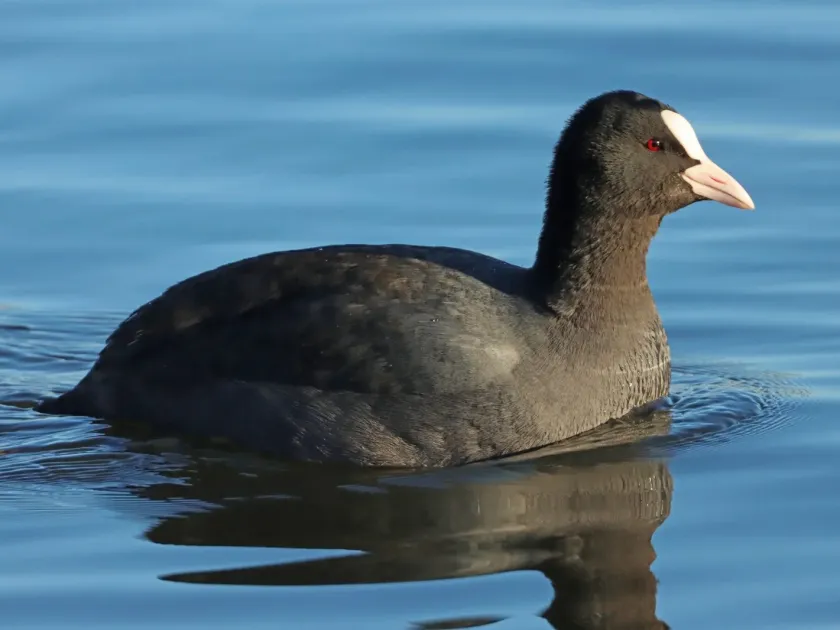
The common coot (Fulica atra) is a medium-sized waterbird of the Rallidae family, easily recognizable by its black plumage and distinctive white frontal shield.
These birds are strong swimmers but are equally capable of walking on land to feed, which makes them a frequent pest for crops grown near water bodies.
Adults possess a powerful, sharp beak, which they use efficiently to harvest young plant stems and succulent leaves from field edges.
They are gregarious birds, often forming large flocks during feeding, which can cause significant and rapid localized damage to agricultural areas.
Their adaptation to various wetlands, including irrigation channels and paddy fields, facilitates their proximity to farming zones, making them a recurring agricultural challenge.
What it damages
Coot damage is most pronounced in rice paddies and young cereal crops, where the birds systematically consume emerging shoots and tender seedlings.
The birds can pull up plants by the roots or cut through the stem, leading to uneven crop stands and significant yield reduction in infested areas.
Mechanical damage caused by trampling is another critical issue, especially in fields where birds congregate to graze during the early stages of crop development.
Frequent trampling compresses the soil, which can hinder root aeration and affect the overall health of the remaining plants in the field.
In cases of severe infestation, the loss of plant biomass requires replanting, adding substantial costs to the agricultural production cycle.
When it appears
The peak activity of common coots occurs during the spring, coinciding with the germination and early growth phases of various crops.
Summer months, particularly during the fledging season, see increased foraging activity as bird populations are at their most active and mobile.
Migratory movements during autumn can cause temporary spikes in bird density on agricultural lands, especially in areas serving as stopover points.
The foraging behavior is closely linked to the seasonal water levels in irrigation networks, which determine the accessibility of fields for the birds.
Agronomists monitor the fields closely during these periods, as the rapid rate of consumption can result in substantial crop loss over a short duration.
Signs of infestation
Typical signs of coot presence include clear footprints in muddy soil at the interface between water channels and cultivated land.
Specific bite marks on plant stems, combined with missing foliage, serve as primary evidence of coot foraging activity in cereal fields.
Visible trails through the crop, formed by repeated trampling and feeding movements, indicate well-established pathways from the water to the feeding area.
The presence of bird excrement concentrated along the borders of the fields is a strong indicator of high-frequency visits by coot flocks.
Direct observations of the birds in the field during the early morning or dusk provide the most reliable confirmation of their status as the primary pests.
Control measures
Acoustic deterrents that emit distress calls or predatory sounds are widely used to discourage coots from settling on agricultural properties.
Visual aids such as reflective tape and raptor-shaped kites can disrupt the birds' confidence in the field, reducing their time spent foraging.
Maintaining active patrol and harassment tactics during the critical seedling growth phase helps prevent the birds from establishing feeding habits on the field.
Physical barriers like netting or fencing along irrigation channels can limit bird access to vulnerable areas, provided the scale is cost-effective.
Integrated bird management programs often combine these methods with ecological monitoring to ensure effectiveness while adhering to regional wildlife protection regulations.
Taxonomy
- Latin name
- Fulica
- Family
- Rallidae
- EPPO code
- FULCSP
Discussion
No discussions yet — be the first.