
Froggattia
Froggattia
Description
How to identify
Froggattia (scientifically known as Froggattia olivina) belongs to the lace bug family Tingidae. This insect is a significant specialist pest affecting various species of eucalyptus trees in their natural and cultivated ranges.
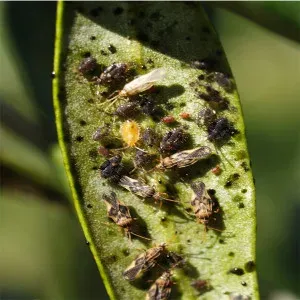
Adult insects are characterized by a delicate, lace-like appearance on their wings, which is a hallmark of the Tingidae family. They are small and flattened, with body colors ranging from light brown to olive, allowing them to blend into the leaf surface perfectly.
The life cycle involves multiple nymphal stages. These nymphs look similar to the adults but lack developed wings and often have spiny projections on their bodies as they mature.
Froggattia insects possess a piercing-sucking mouthpart designed specifically to extract plant sap. This makes them highly dependent on the host tree's physiological state for their development.
As members of the order Hemiptera, they exhibit incomplete metamorphosis. Both nymphs and adults inhabit the undersides of the leaves, hiding from direct sunlight and predators.
What it damages
The primary host for Froggattia is the eucalyptus tree. Both young saplings and established trees can suffer significant damage when pest populations are uncontrolled.
Feeding causes localized tissue death. As the insects pierce the epidermis to reach the sap, they create small necrotic spots that eventually coalesce, leading to severe leaf discolouration.
The destruction of chlorophyll-containing cells disrupts photosynthesis, which significantly reduces the tree's growth rate and overall vitality.
Heavy infestations typically lead to premature leaf drop, causing thinning of the canopy and leaving the tree vulnerable to secondary stress factors.
In high-density scenarios, the repeated feeding can cause significant physiological stress, potentially resulting in the death of highly susceptible or young eucalyptus specimens.
Signs of infestation
The first indicator of an infestation is the appearance of mottled yellow or brown spots on the upper leaf surface, which correspond to feeding sites underneath.
Observing the underside of the leaf often reveals the insects themselves, alongside dark, sticky excrement which can promote the growth of sooty mold.
Leaf curling and drying around the margins are common symptoms when the population density becomes high enough to disrupt the water balance of the foliage.
A "mottled" appearance of the leaves, where healthy green tissue is interspersed with dead brown spots, is a definitive sign of lace bug activity.
Significant leaf drop, particularly in the lower canopy, indicates that the population has established itself thoroughly within the tree structure.
Control measures
Integrated Pest Management (IPM) is crucial for managing Froggattia. Regular monitoring of leaf surfaces is essential to detect outbreaks before they spread.
Biological control methods involving the introduction or conservation of natural predators, such as lady beetles and lacewings, can significantly reduce population levels.
Chemical intervention should prioritize systemic insecticides that are absorbed by the plant, ensuring that the insects ingest the toxin while feeding on the sap.
Cultural practices, including proper irrigation and soil nutrition, strengthen the eucalyptus trees' natural defenses, allowing them to recover more efficiently from pest damage.
When applying control products, it is vital to use high-pressure sprayers to reach the underside of the foliage, as this is where the majority of the insect colony resides.
Taxonomy
- Latin name
- Froggattia
- Order
- Hemiptera (bugs, aphids, leafhoppers)
- Family
- Tingidae
- EPPO code
- FROTSP
Discussion
No discussions yet — be the first.