
Chaffinch
Fringilla coelebs
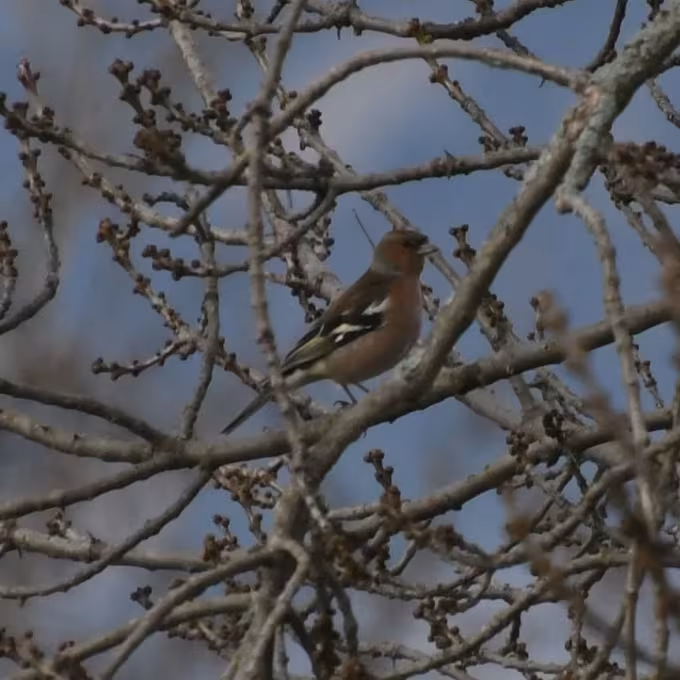
Description
How to identify
The Common Chaffinch (Fringilla coelebs) belongs to the Passeriformes order and Fringillidae family. It is a small songbird where the male is recognized by its rust-red breast and blue-grey crown, while the female is more cryptically colored in shades of brown and grey.
These birds are common throughout temperate forests and agricultural landscapes, frequently adapting their behavior to exploit seasonal food sources found on farmland.
Chaffinches are highly social during the post-breeding season, often forming large flocks that move across fields to forage, which can lead to significant localized crop damage.
Their life cycle involves spring migration, nesting, brood rearing, and a period of intensive foraging before their autumn migration toward warmer territories.
While often considered beneficial due to their insectivorous habits in summer, their dietary switch to seeds in autumn makes them a recognized pest for cereal and oilseed producers.
What it damages
Chaffinches cause economic damage by consuming freshly sown seeds in spring, often leading to poor germination rates and the necessity of re-seeding fields.
In orchards, they are known to damage fruit tree buds during late winter and early spring, which can reduce the flowering potential of various fruit trees such as apples and cherries.
Cereal crops like barley, oats, and millet are vulnerable to chaffinches during the milk and dough stages, as flocks can consume a substantial percentage of the grain.
Vegetable gardens are also at risk, as chaffinches may pull up tender seedlings or forage for seeds, potentially destroying entire rows of emerging crops.
Although they help control pest insect populations during the breeding season, this ecological service is frequently negated by the damage done to commercial crops when large flocks congregate.
When it appears
The spring season is critical, as returning birds look for energy-rich food sources immediately after migration, making newly sown fields their primary target.
The summer season sees a shift in the chaffinch's diet, as they prioritize protein-rich insects to feed their young, making them relatively harmless to crops during this period.
Autumn marks the most destructive phase, as the birds congregate in large, mobile flocks and aggressively feed on maturing seeds before the onset of winter.
Winter finds chaffinches residing primarily in woodlands, away from open fields, meaning their interaction with agricultural activities is significantly reduced during these months.
The intensity of their activity is strictly regulated by the crop growth stage and the availability of alternative wild seeds, which governs their presence on farmland.
Signs of infestation
Signs of chaffinch damage include sparse, uneven rows in fields where seeds have been picked directly from the soil surface shortly after planting.
Visual evidence of bird activity, such as droppings and footprints on loose soil, often marks areas where large flocks have spent time foraging.
Bud damage in orchards is typically characterized by cleanly snipped or missing buds, often leaving small beak marks on the surrounding woody tissue of the twig.
Sunflowers damaged by chaffinches often show exposed seeds in the flower head where the protective outer layers have been breached before the harvest time.
The sudden flushing of a large, noisy flock of birds from a field when approached is a definitive indicator of an ongoing infestation impacting the crop.
Control measures
Bio-acoustic deterrents, which broadcast predator calls or distress signals, are effective tools for scaring chaffinch flocks away from high-value crop areas.
Visual deterrents such as holographic tapes, reflective ribbons, and decoys of birds of prey are simple, low-cost methods for protecting smaller agricultural plots.
Physical barriers, including horticultural nets or row covers, provide the most secure protection for young vegetable seedlings against bird browsing.
Adjusting sowing depth and ensuring proper soil coverage can significantly reduce the attractiveness of a field to seed-eating birds during the vulnerable germination phase.
An integrated pest management approach, rotating the types of deterrents used, is essential to prevent birds from habituating to specific scare tactics over time.
Taxonomy
- Latin name
- Fringilla coelebs
- Family
- Fringillidae
- EPPO code
- FRINCO
Discussion
No discussions yet — be the first.