
Fidicina
Fidicina
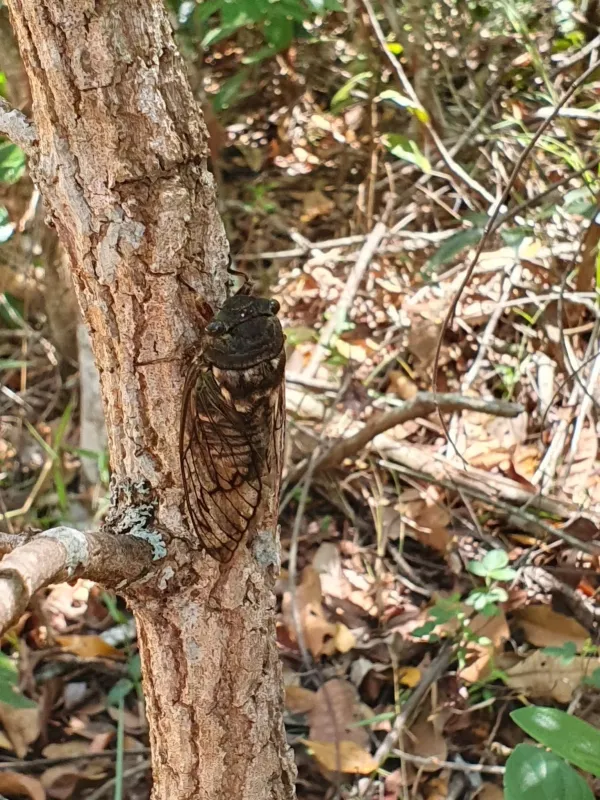
Description
How to identify
Cicadas of the genus Fidicina belong to the family Cicadidae, order Hemiptera. These are large insects characterized by a robust body and a highly developed sound-producing organ in males.
Adults typically exhibit protective coloration in shades of brown or green, providing excellent camouflage on tree bark. The wings are transparent with prominent venation.
The nymphs live underground, feeding on the sap of plant roots. They are equipped with specialized, powerful front legs adapted for digging through soil layers.
The life cycle is remarkably long, often spanning several years, during which nymphs undergo multiple developmental stages beneath the soil surface.
Accurate identification of specific species often relies on analyzing the unique acoustic signals produced by males during the mating season.
What it damages
Fidicina cicadas cause significant damage to a wide range of woody and shrub crops, including fruit orchards, citrus groves, and coffee plantations.
The primary damage is inflicted by nymphs feeding on root systems, which results in stunted plant growth, loss of vigor, and reduced overall crop yields.
Adults cause mechanical damage when laying eggs. Females use their ovipositors to cut into young shoots, causing branch dieback and creating entry points for secondary infections.
High infestation rates often lead to the wilting of terminal shoots, thinning of the canopy, and potential mortality of seedlings in nursery settings.
Economic losses are compounded by the potential for these insects to act as vectors for various plant pathogens entering through oviposition wounds.
Signs of infestation
The most prominent sign of presence is the loud, rhythmic calling of males, which becomes particularly intense during hot daylight hours.
Small exit holes on the ground surface under host trees indicate where nymphs have emerged to complete their final molt into adulthood.
Characteristic scarring or deep punctures on stems and branches are clear indicators of past or present egg-laying activity by females.
Gradual wilting of foliage without any visible signs of leaf-feeding pests often points to significant root damage caused by subterranean nymphs.
Empty nymphal exuviae (cast skins) left attached to tree trunks or nearby vegetation provide undeniable proof of recent adult emergence.
Control measures
Deep cultivation of soil is an effective practice to disrupt the development of nymphs and reduce their populations in the field.
The application of entomopathogenic fungi and nematodes serves as an environmentally sustainable strategy for biological control of nymphs in the soil.
During peak adult emergence periods, targeted insecticide applications to tree canopies can prevent excessive shoot damage and subsequent egg-laying.
Maintaining optimal plant health through proper irrigation and nutrition improves the tree's resilience and recovery from insect damage.
- Monitoring populations using light traps during peak seasons.
- Sanitary pruning of branches heavily affected by egg-laying.
- Promoting natural predator populations, including birds and parasitic wasps.
Taxonomy
- Latin name
- Fidicina
- Order
- Hemiptera (bugs, aphids, leafhoppers)
- Family
- Cicadidae
- EPPO code
- FIDCSP
Discussion
No discussions yet — be the first.