
Everes blue
Everes
Description
How to identify
Everes (Everes blue) belongs to the Lycaenidae family, order Lepidoptera. These are small diurnal butterflies, typically characterized by their distinctive wing patterns and flight behavior. The adult wingspan is generally around 20–25 mm.
The larvae (caterpillars) of these butterflies have a flattened, woodlouse-like shape, which provides excellent camouflage on their host plants. They are usually covered in fine hairs and possess a greenish coloration that blends with the leaves and stems.
Pupae attach themselves to plants using a silk girdle. They are compact and often display cryptic coloration, making them difficult to detect during standard field inspections conducted by agronomists.
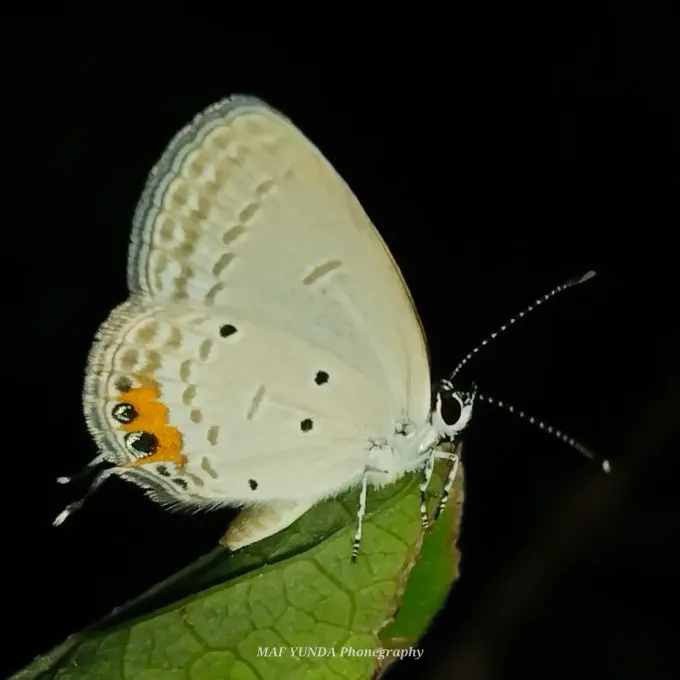
Identification of the species relies heavily on the pattern on the underside of the wings. Members of the genus Everes typically display orange spots and a specific arrangement of small black dots on the hindwings.
The life cycle involves complete metamorphosis: egg, larva, pupa, and adult. Depending on the climatic zone, the species may undergo one or several generations within a single growing season.
What it damages
The primary hosts for the Everes blue are plants within the Fabaceae (legume) family. Significant economic damage is often observed in crops such as clover, alfalfa, and vetch.
The larvae are specialized to feed on the reproductive organs of the plants, including flower buds, ovaries, and developing seeds within the pods. This leads to direct yield loss and reduced quality of seeds intended for future sowing.
During outbreaks, this pest can cause substantial damage to the reproductive structures of the crop. The cryptic nature of the caterpillars, which often feed internally, complicates early detection.
In addition to consuming seeds, larval damage to buds causes them to drop prematurely. This significantly reduces the overall productivity of the crop, even if the vegetative parts of the plant appear relatively unaffected.
Plants weakened by larval activity become more susceptible to secondary fungal infections. This damage is particularly critical for seed production fields where seed viability is the primary goal.
When it appears
The flight period of Everes butterflies typically begins in late spring and extends throughout the summer. The activity of the adults is heavily dependent on ambient temperature and solar exposure.
Eggs are primarily laid on flower heads or tender leaves of host plants. Larvae hatch within 7–10 days, a timing that coincides with the peak flowering period of the legume crops.
Larval feeding intensity is highest during the second half of the summer, as the crop focuses on fruit and seed development. This is the crucial window for intensive crop monitoring.
Overwintering usually occurs at the pupal stage or as late-instar larvae, hidden in the soil or among plant debris. The survival rate of overwintering populations depends on soil frost penetration.
In hot and dry years, the development speed of the larvae may increase due to higher metabolic rates. Conversely, cool and wet summers generally keep population densities lower.
Signs of infestation
The primary visual sign of infestation is damaged or hollowed-out buds and flowers. Frass (larval excrement) is often visible inside the pods or flower heads, appearing as small, dark granular deposits.
- Empty seed husks within the pods.
- Small entry or exit holes on the walls of young pods.
- Premature wilting and dropping of floral parts.
- Direct presence of larvae within flower clusters.
- Feeding scars on the edges of young leaves.
Agronomists should monitor plants that appear stressed or show yellowing of floral parts, as these are often indicators of internal larval feeding activity.
If an unusually high rate of bud drop is observed in a legume field, a detailed examination of the dropped material is required to identify the cause, often revealing the presence of Everes larvae.
Monitoring using pheromone traps or systematic counting of adults during their flight period allows for the prediction of infestation levels and timely intervention.
Control measures
Effective management of Everes blue requires a multi-faceted approach combining cultural and chemical tactics. Crop rotation and maintaining spatial isolation from wild legumes are fundamental practices.
Deep autumn plowing can help destroy a significant portion of overwintering pupae residing in the soil or on crop residues. This practice reduces the initial pest pressure for the following season.
Chemical control with insecticides must be timed to coincide with the period of mass larval hatching, before the caterpillars bore into the buds or pods. Once larvae have entered the plant tissue, insecticide efficacy significantly decreases.
Management of leguminous weeds on field margins is essential, as these plants serve as refugia for the pest. Harvesting crops in a timely manner also helps minimize total yield losses.
Biological control, including the use of entomopathogenic agents or bacteria-based biopesticides, can be effective if applied according to best practices and specific timing guidelines.
Taxonomy
- Latin name
- Everes
- Order
- Lepidoptera (butterflies)
- Family
- Lycaenidae
- EPPO code
- EVRSSP
Discussion
No discussions yet — be the first.