
Euroxenus vayssieresi
Euroxenus vayssieresi
Description
How to identify
Euroxenus vayssieresi is a specialized pest belonging to the order Coleoptera and the family Curculionidae (weevils). These insects possess the typical morphological features of their family, including an elongated rostrum, which facilitates feeding and the process of egg-laying deep within plant tissues.
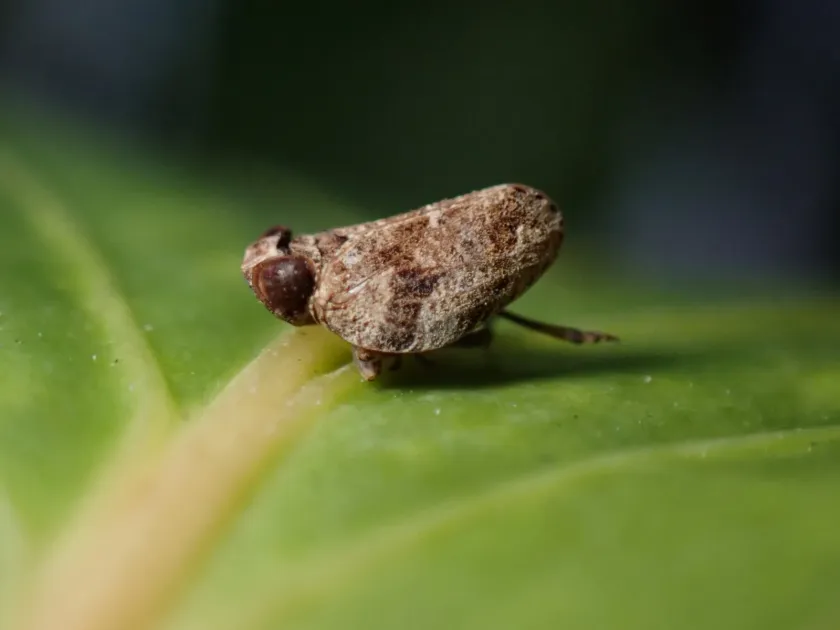
Adult specimens exhibit protective coloration, enabling them to camouflage effectively on the leaves and stems of host plants. The size of the imago is usually small, which complicates early detection during field surveys. Accurate identification requires microscopic examination of the pronotum structure and leg morphology, which are characteristic of this genus.
The biology of the species is closely linked to the development of host plants, which dictates strict periods of activity. The larvae of Euroxenus lead a concealed lifestyle, developing inside plant tissues, which significantly complicates visual detection and identification during the initial stages of infestation.
The life cycle includes complete metamorphosis: egg, larva, pupa, and adult. Each stage is adapted to specific environmental conditions, with the larval stage being the most damaging to the plant's health due to intensive feeding on internal stem components or reproductive organs.
Monitoring the population of this pest is primarily conducted through entomological counts and, if available for the region, pheromone traps. Regular inspection of crops allows for the detection of initial colonization and the implementation of immediate measures to reduce the population density.
What it damages
The primary damage is caused by the larvae, which bore tunnels inside stems or fruits, disrupting the plant's vascular system. This leads to stunted growth, reduced photosynthetic activity, and impaired nutrient transport from the roots to the aerial parts of the plant.
Damaged tissues become susceptible to infection by pathogenic microorganisms, including fungal and bacterial diseases, which further weaken the plant. Consequently, Euroxenus vayssieresi acts as a primary pest, facilitating the development of secondary phytopathogens.
Under conditions of high population density, the pest can cause significant economic losses by triggering premature flower and fruit drop. This critically affects the final yield, especially in years favorable for the mass reproduction of this weevil species.
A characteristic sign of infestation is wilting shoot tips or deformed fruits, inside which tunnels made by larvae can be found. Upon dissecting the affected areas, one may discover frass, which appears as brownish dust-like material.
A decrease in the quality of commercial produce makes the yield unsuitable for long-term storage or processing. The economic significance of the species varies depending on regional climatic conditions and the plant protection systems applied within the specific agroecosystem.
Control measures
Integrated protection is based on a combination of agrotechnical and chemical methods. A key step is the implementation of crop rotation, which limits the pest's food supply and disrupts its life cycle, preventing the population from accumulating on the same field over several years.
The destruction of crop residues after harvesting is mandatory, as many weevils overwinter in post-harvest debris or the topsoil layer. Deep autumn plowing contributes to the mortality of overwintering pest stages by disrupting their protective shelters.
Upon reaching threshold population levels, contact-stomach insecticides are applied. The efficacy of treatments depends on the precision of application during the insect's most vulnerable phase, which typically coincides with larval emergence or the adult supplementary feeding period.
The use of biological agents, such as entomopathogenic fungi or bacteria, is a promising direction within an integrated pest management framework. These preparations are less toxic to beneficial entomophages and help maintain ecological balance within the agroecosystem.
- Pest monitoring using specialized traps
- Timely spatial isolation of crop fields
- Strict adherence to insecticide application protocols
- Use of damage-resistant crop varieties
- Spatial isolation from reservoir areas
Taxonomy
- Latin name
- Euroxenus vayssieresi
- Order
- Hemiptera (bugs, aphids, leafhoppers)
- Family
- Issidae
- EPPO code
- EURXVA
Discussion
No discussions yet — be the first.