
Eulithis
Eulithis
Description
How to identify
Eulithis is a genus of moths belonging to the Geometridae family, commonly referred to as carpet moths or loopers due to their larvae's locomotion.
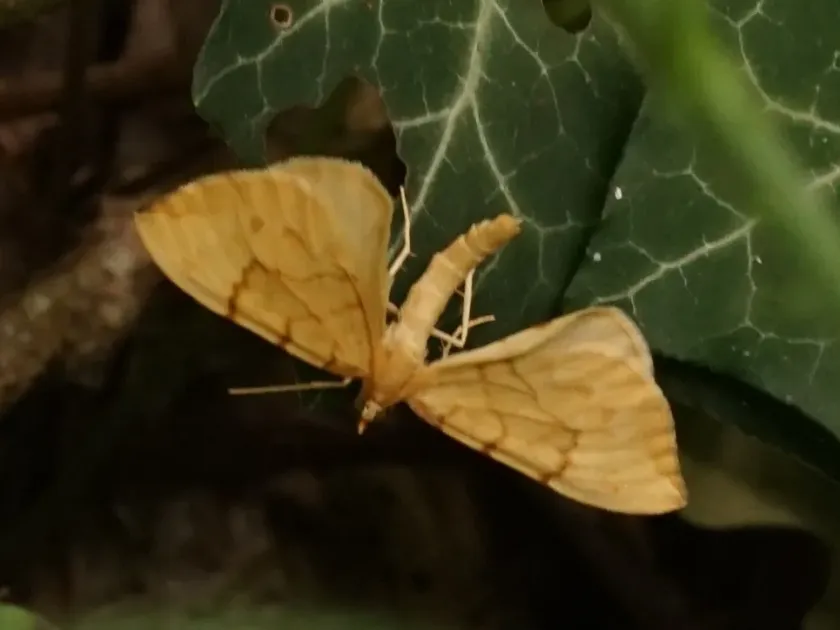
Adult moths typically have cryptic coloration, featuring intricate patterns of brown, grey, and white, which provides excellent camouflage against tree bark.
The larvae, known as inchworms or loopers, possess a characteristic body structure with fewer prolegs, resulting in their unique looping movement.
These insects undergo complete metamorphosis, typically overwintering as eggs or pupae hidden in soil debris or crevices in the bark.
Taxonomic identification of specific Eulithis species often requires microscopic examination of the genitalia, as many adults appear visually similar.
What it damages
Eulithis larvae are foliage feeders that primarily target various shrubs and deciduous woody plants in gardens and wild environments.
Favorite hosts often include members of the Rosaceae family, making them occasional pests of currants, raspberries, and ornamental bushes.
The larvae feed on leaf tissue, skeletonizing the foliage or creating irregular holes that reduce the plant's photosynthetic capacity.
Severe infestations can lead to significant defoliation, which causes stress to the host plant and may hinder flower bud formation for the following year.
Secondary damage often occurs when feeding wounds allow pathogens or fungi to enter the plant tissue, weakening the health of the host.
Signs of infestation
The most evident sign of a Eulithis infestation is the presence of irregular bite marks and holes on the leaves of host shrubs.
Observing small, slender larvae that loop their bodies while moving is a primary indicator of their presence on the undersides of leaves.
In some cases, larvae may spin light silken threads to bind leaves together, creating a sheltered environment during the day.
Increased activity of insectivorous birds near garden shrubs can sometimes serve as an early warning sign that a caterpillar population is active.
Noticeable yellowing or wilting of individual leaf clusters may indicate localized feeding damage by young larvae starting their life cycle.
Control measures
Effective management begins with manual removal, where caterpillars are hand-picked from the plants, especially during the early morning hours.
Sanitation practices such as removing fallen leaves and debris around the base of bushes effectively destroy pupae overwintering in the soil.
Biological control agents, particularly microbial insecticides like Bacillus thuringiensis, are highly effective against larvae while being safe for pollinators.
Chemical intervention should be reserved for outbreaks exceeding economic thresholds, using selective insecticides applied during the peak larval stage.
Maintaining high plant vigor through proper fertilization and irrigation helps plants tolerate and recover from light infestations of moth larvae.
Taxonomy
- Latin name
- Eulithis
- Order
- Lepidoptera (butterflies)
- Family
- Geometridae
- EPPO code
- EULTSP
Discussion
No discussions yet — be the first.