
Euchrysops
Euchrysops
Description
How to identify
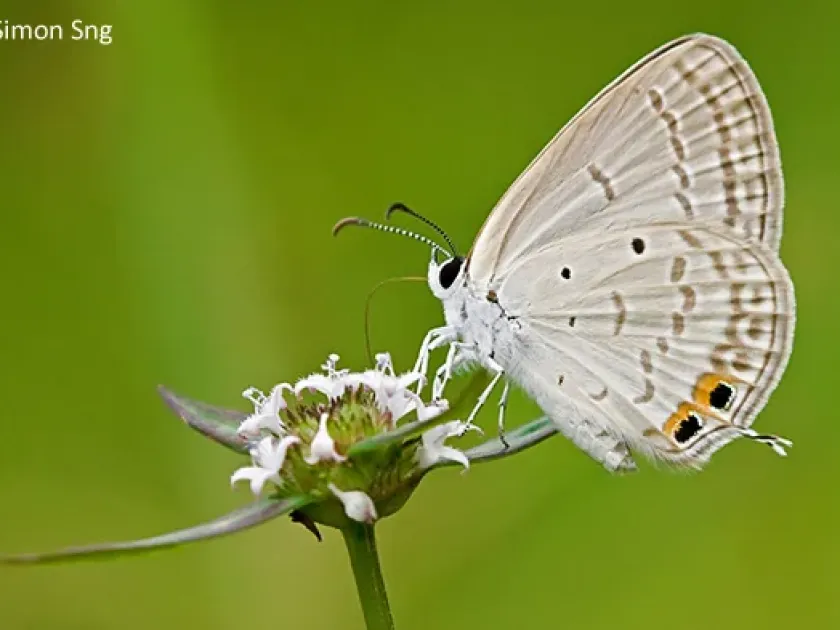
Euchrysops is a genus of butterflies belonging to the Lycaenidae family. These insects are small in size and are often referred to as blue butterflies, given the wing coloration typical of the species.
The larvae (caterpillars) are generally flattened, an adaptation that allows them to live and feed within protected plant parts such as seed pods or flowers.
The life cycle involves complete metamorphosis: egg, larva, pupa, and adult. Each stage of development is adapted to the specific feeding requirements of the insect.
Adult butterflies are typically daytime flyers, active in bright conditions, where they search for host plants to lay eggs on reproductive parts like buds or young pods.
Euchrysops cnejus is one of the most significant species in this genus, notorious for causing extensive damage to various pulse crops across tropical and subtropical regions.
What it damages
Euchrysops primarily infests leguminous crops, with common hosts including beans, soybeans, chickpeas, cowpeas, and green peas.
The larvae are specialized feeders that target the reproductive organs of the plants. They bore into young pods to consume the developing seeds directly.
In addition to seeds, the larvae may feed on flower buds and emerging shoots, leading to flower drop and significant reduction in pod set.
The economic impact is substantial, as damage to the seeds renders the pods unmarketable and reduces the overall yield volume for farmers.
Infestations can lead to severe losses, often exceeding 40-50% in untreated fields, making it a critical pest to monitor in legume cultivation.
Signs of infestation
The most distinct sign of an infestation is the presence of small entry holes on the surface of the pods, which are created by larvae as they bore inside.
Accumulated frass (larval droppings) around the entry holes or on the exterior of the pods is another common indicator of active larval feeding.
Pods may appear distorted, misshapen, or prematurely yellowed due to the destruction of the seeds and tissues inside them.
When pods are opened, one can find the larvae themselves or the hollowed-out remains of the seeds that were meant for harvest.
A sudden, unexplained drop of flower buds or tiny pods is a strong symptom that requires immediate inspection of the field for early-stage larval activity.
Control measures
Integrated pest management is essential, starting with crop rotation to disrupt the life cycle of the pest by reducing the availability of host plants in consecutive seasons.
Chemical control involves the timely application of systemic or contact insecticides during the flowering and pod-forming stages to reach the larvae before they bore into the pods.
Using pheromone traps helps in monitoring the population levels of adult butterflies and timing the pesticide applications for maximum effectiveness.
Biological control methods, such as encouraging natural predators and parasitoids, can help keep the population of Euchrysops in check naturally.
Post-harvest agricultural practices, such as deep plowing and removing crop residues, are effective in killing the pupae that overwinter in the soil or plant debris.
Taxonomy
- Latin name
- Euchrysops
- Order
- Lepidoptera (butterflies)
- Family
- Lycaenidae
- EPPO code
- EWCHSP
Discussion
No discussions yet — be the first.