
Winter Moth
Epirrita dilutata
Description
How to identify
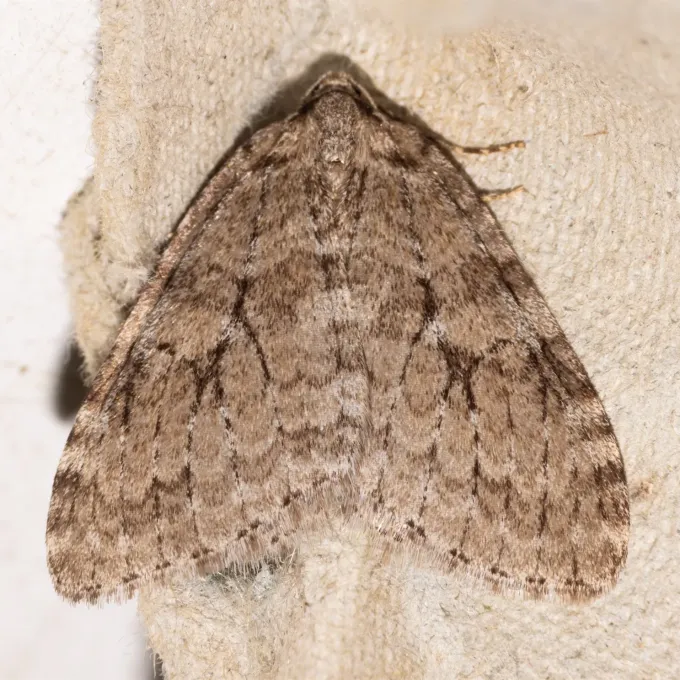
The Winter Moth (Epirrita dilutata) is a moth species belonging to the Geometridae family. Adult moths typically have a wingspan ranging from 35 to 45 mm, with forewings that exhibit a greyish-brown hue characterized by blurred, wavy transverse lines.
The larvae, or caterpillars, are known for their distinctive "looping" gait. They grow up to 30 mm in length and are usually light green in color, sometimes displaying faint dorsal lines that help them blend into the foliage.
Pupation occurs within the soil under the host tree's canopy. The pupae are brown and remain in the soil throughout the summer months, undergoing metamorphosis to emerge as adults in the autumn.
Eggs are oval-shaped and are laid by the females on bark crevices or near leaf buds. They change color from yellow to orange-red during the winter, serving as the primary overwintering stage of the species.
This pest is widely distributed across temperate forest regions and is known to be a common inhabitant of both wild deciduous trees and managed fruit orchards.
What it damages
The larvae of the winter moth attack a wide variety of deciduous trees. The most susceptible species include apple, pear, plum, and cherry trees, as well as oaks, birches, and beeches.
The most severe damage occurs in the spring when newly hatched caterpillars bore into developing leaf buds, often destroying them before they have a chance to unfold, which significantly impacts the season's yield.
As the larvae mature, they consume the expanding leaves, leading to severe defoliation. In many cases, they skeletonize the leaves, leaving behind only the tougher veins, which inhibits the tree's ability to photosynthesize.
Heavy infestations can lead to a complete loss of foliage, causing extreme stress to the tree. This depletion of energy reserves affects both current fruit quality and the development of future fruiting buds.
Young trees in nursery settings are particularly vulnerable; chronic damage can lead to stunted growth and permanent deformity of the tree architecture due to the loss of terminal buds.
When it appears
Adult moths are active during the autumn months, typically from mid-September to late October, which is the period when mating and egg-laying occur.
The species survives the winter as eggs, which are remarkably hardy and can withstand freezing temperatures, remaining in a state of diapause until environmental cues signal the arrival of spring.
Egg hatching is closely synchronized with the phenology of host plants. The larvae usually emerge as buds begin to burst, typically in April or May, matching their feeding activity with the flush of new growth.
The larval feeding phase lasts for approximately 4 to 6 weeks. During this time, they grow rapidly and become increasingly visible, eventually reaching their full size by late June.
Once feeding is complete, the larvae drop to the soil to pupate. The summer is spent as pupae in the soil, awaiting the drop in temperature that triggers the emergence of the next generation of moths.
Signs of infestation
The first sign of infestation in spring is the appearance of small, ragged holes in the newly emerging buds, indicating that caterpillars are feeding deep within the bud tissue.
The presence of fine, silken webbing between leaves is a classic sign of winter moth activity. The larvae use this silk to create shelters and to prevent themselves from falling during high winds.
Skeletonized leaves that look like thin, delicate lace are a clear indicator of mature caterpillar activity, as they strip the leaf tissue while leaving the vascular structures intact.
Small dark granular droppings, known as frass, are often found on the leaves below the feeding sites, providing a visual clue to the presence of the larvae in the canopy above.
If you notice the tips of shoots failing to develop or looking withered, it is a sign that the caterpillars have attacked the primary growing point, necessitating immediate inspection.
Control measures
Autumn soil cultivation under the tree canopy is an effective cultural practice, as it disturbs the soil and exposes the pupae to predators and adverse environmental conditions.
The use of sticky grease bands or mechanical barriers on tree trunks in early spring can help prevent migrating larvae from reaching the foliage, effectively reducing the localized population.
Biological control methods, such as applying Bacillus thuringiensis, are highly effective against young larvae while remaining safe for beneficial predatory insects and pollinators.
For severe infestations, selective chemical insecticides can be used, provided they are applied during the early larval stages and before the onset of flowering to protect bees.
Monitoring the adult population using pheromone traps in the autumn is recommended. This helps to determine the severity of the potential infestation for the following spring and allows for targeted intervention.
Taxonomy
- Latin name
- Epirrita dilutata
- Order
- Lepidoptera (butterflies)
- Family
- Geometridae
- EPPO code
- LAREDI
Discussion
No discussions yet — be the first.