
Epirrita
Epirrita
Description
How to identify
The genus Epirrita belongs to the family Geometridae. These moths are characterized by a medium size, with a wingspan typically ranging from 30 to 40 mm, and wings featuring intricate, wavy patterns.
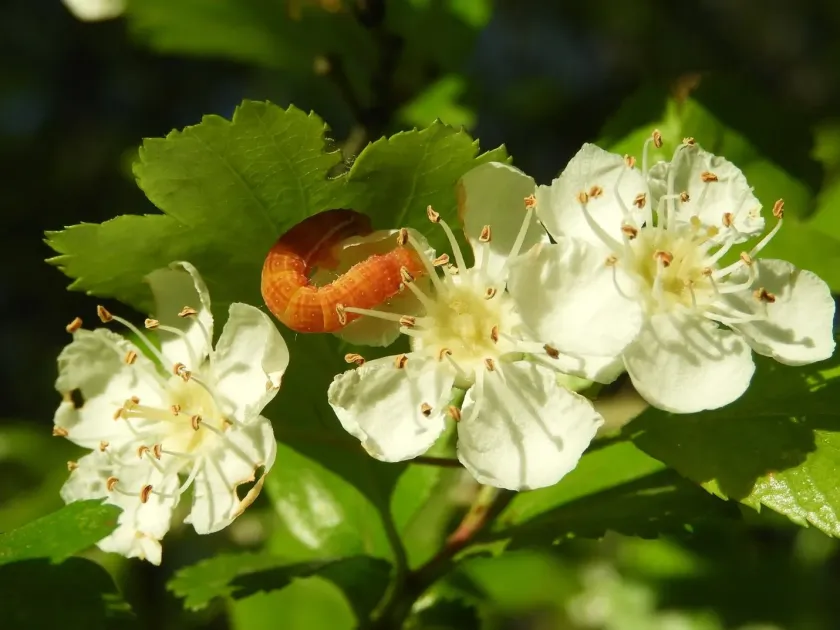
The larvae, known as inchworms or loopers, have a distinct movement pattern due to the reduction of their abdominal prolegs, which forces them to arch their bodies as they walk along branches.
Larvae are typically green, providing excellent camouflage against the foliage they consume, though some variations may show brownish or yellowish lateral stripes for additional protection.
The pupal stage occurs within the soil, where the insects construct a loose cocoon under the leaf litter or just below the surface to overwinter until the arrival of spring.
Understanding their complete metamorphosis is vital, as the feeding intensity and vulnerability of the pest change drastically across its egg, larval, pupal, and adult stages.
What it damages
Epirrita species primarily target various deciduous trees, including birch, alder, and beech, while also frequently impacting fruit trees like apples and pears in garden settings.
The primary damage is caused by the caterpillars, which feed aggressively on leaves, often leading to total defoliation during outbreaks, leaving only the main veins behind.
By consuming large amounts of foliage, these pests drastically reduce the photosynthetic capacity of the trees, leading to poor fruit development and weakened structural integrity.
Chronic infestation over multiple consecutive years can cause severe stress to the host tree, making it susceptible to secondary pathogens, wood-boring insects, and diseases.
High population densities can lead to significant economic loss in both forestry and commercial fruit orchards if the infestation is not managed in its early stages.
When it appears
The life cycle begins with adult moths emerging in late autumn, where they mate and deposit eggs on the bark of host trees to ensure the next generation survives the winter.
Eggs hatch during the spring, coinciding precisely with the bud burst, ensuring that the larvae have access to highly nutritious, tender new foliage immediately after emerging.
Larval development takes place during the spring months, followed by the larvae descending to the ground to pupate once they have reached their final instar stage in early summer.
Climatic factors such as temperature and moisture determine the timing of egg hatching, which can vary slightly from year to year, influencing the overall impact on vegetation.
The insects remain in the pupal stage throughout the summer, preparing for the autumn emergence of the adult moths that will restart the annual cycle.
Signs of infestation
Small, irregular holes on the newly opened leaves are the first indicators of larval feeding activity that gardeners should monitor for in the early spring.
As the larvae mature, the damage becomes more pronounced, with leaves showing a skeletonized appearance where the green tissue is entirely removed, leaving only the veins.
The presence of fine, granular frass on the leaves or falling onto the ground beneath the canopy is a definitive sign of active caterpillar feeding high above in the branches.
If you suspect an infestation, gently tapping branches over a white cloth or paper can help dislodge larvae, making them easier to identify against the light background.
During heavy outbreaks, the sheer number of feeding larvae can produce a distinct, constant sound of rustling or pattering, which is a clear sign of a significant infestation.
Control measures
Cultural methods, such as disturbing the soil beneath infested trees in autumn or spring, help expose overwintering pupae to predators and environmental stress.
Biological control using bacterial sprays, specifically those containing Bacillus thuringiensis, provides an effective and environmentally friendly solution for managing caterpillar populations.
Chemical insecticides should be utilized as a last resort, focusing on targeted application during the peak of larval activity while strictly adhering to safety intervals.
Encouraging natural predators, such as insectivorous birds and predatory wasps, can help keep the populations of Epirrita below the economic injury threshold.
- Regular monitoring of tree canopy during spring leaf development.
- Physical removal of caterpillars from small or young trees.
- Pruning of heavily infested or dead branches to maintain vigor.
Taxonomy
- Latin name
- Epirrita
- Order
- Lepidoptera (butterflies)
- Family
- Geometridae
- EPPO code
- EPRRSP
Discussion
No discussions yet — be the first.