
Enteucha
Enteucha
Description
How to identify
Enteucha is a genus of minute leaf-mining moths belonging to the Nepticulidae family, known for being among the smallest lepidopterans in the world.
Adult moths are tiny and possess subdued, cryptic coloration, making them extremely difficult to detect in the field during standard visual inspections.
These insects undergo a complete metamorphosis cycle, which includes egg, larva, pupa, and adult stages typical of the order Lepidoptera.
Identification often requires careful examination of the larvae's mines or professional microscopic analysis of the adult's genitalia due to their extremely small stature.
As specialists in internal leaf feeding, they have evolved highly specific biological relationships with their host plants, ensuring optimal survival for their offspring.
What it damages
The larvae of the Enteucha genus are specialized leaf miners that feed exclusively on the parenchyma tissue located between the leaf's epidermal layers.
Primary hosts often include various tree species, such as those within the Fagus (beech) genus, where the damage is most visually apparent.
The mining process involves the larva consuming green tissue, which disrupts the plant's ability to perform photosynthesis efficiently in the affected areas.
Heavy infestations can result in significant chlorosis, premature leaf abscission, and a noticeable reduction in the overall vigor of the host plant.
For horticultural and forestry sectors, this damage represents a risk to plant health, particularly in nurseries where growth rate and aesthetic quality are critical.
When it appears
The seasonal appearance of Enteucha is closely synchronized with the growth phases of the host plant throughout the spring and summer months.
Adults emerge during warmer periods to mate and deposit eggs, usually on the undersurface or within the leaf tissue, ensuring immediate access to food upon hatching.
The larval stage, characterized by active mining, typically peaks during the mid-summer months when foliage density is at its highest.
Depending on the climatic zone, multiple generations may occur within a single growing season, leading to potential population explosions if left unchecked.
Overwintering occurs primarily in the pupal stage, often encased within a silken cocoon hidden in leaf litter or within the crevices of the host tree's bark.
Signs of infestation
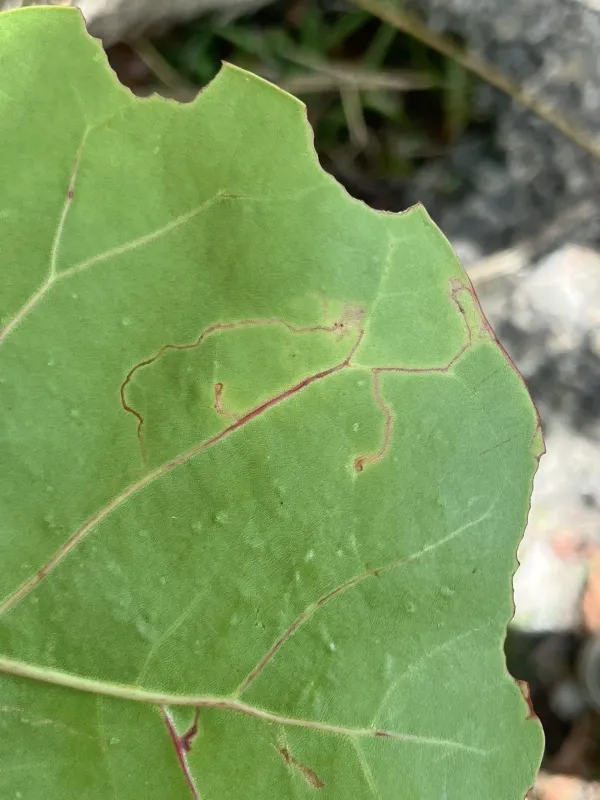
The most reliable sign of an Enteucha infestation is the presence of distinctive, serpentine or blotch-shaped mines on the leaves.
- Mines appear as narrow, winding tracks that turn brown or whitish as the leaf tissue dies.
- Frass (larval excrement) is often visible inside the mine as a dark, continuous or broken line running along the center.
- Affected leaves may show signs of tissue death or crinkling along the path of the mine.
- In some cases, the mine might end in a small circular exit hole where the mature larva departed to pupate.
Observing these symptoms early is essential for preventing widespread infestation across larger plantations or orchards.
Control measures
Successful management of Enteucha involves a combination of monitoring, sanitation, and the use of specialized chemical control agents.
Systemic insecticides are generally the most effective method, as they are absorbed into the leaf tissue where the larvae feed, bypassing the external protection provided by the epidermis.
Cultural practices, including the removal and destruction of infested leaf litter, are vital for reducing the overwintering population of pupae.
Integrated Pest Management (IPM) programs often utilize pheromone traps to monitor adult flight activity and time insecticide applications for maximum efficacy.
Biological control methods, focusing on the encouragement of native parasitoid wasps, play a significant role in maintaining long-term population stability.
Taxonomy
- Latin name
- Enteucha
- Order
- Lepidoptera (butterflies)
- Family
- Nepticulidae
- EPPO code
- ENEUSP
Discussion
No discussions yet — be the first.