
Black-faced bunting
Emberiza spodocephala
Description
How to identify
The Black-faced bunting (Emberiza spodocephala) is a member of the Emberizidae family, order Passeriformes. While often appreciated for its song, it can become a significant agricultural pest when it migrates into crop fields during the ripening season.
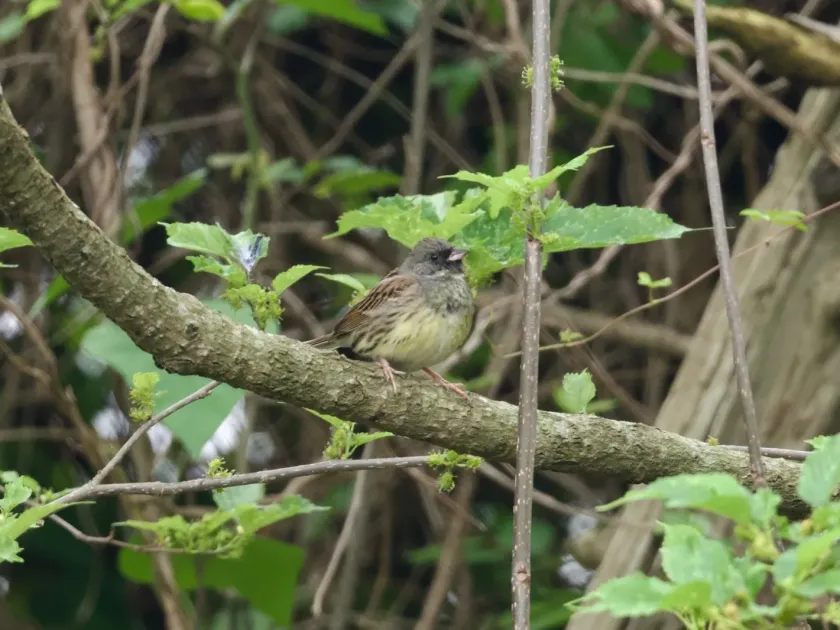
This bird is characterized by a distinctive grey head and throat in males, with a brownish back featuring dark streaks. This coloration provides excellent camouflage within dense thickets, tall grasses, and ripening grain crops.
Growing to approximately 15 centimeters in length, the bird is agile and well-adapted for foraging in varied landscapes, including fields bordered by rivers or woody vegetation.
The species biological life cycle is tied to riparian habitats and shrubbery, which serve as nesting sites. From these sites, the birds frequently venture into nearby fields to forage for food.
Social behavior is common during the summer months, with individuals forming small flocks that can cause concentrated damage to agricultural areas once they discover a reliable food source.
What it damages
The primary target of the Black-faced bunting in agricultural settings is cereal grain, particularly wheat, barley, and millet, especially during the milk and dough stages of grain development.
The birds use their conical beaks to crack open the husks and consume the soft grain endosperm. This causes direct yield loss and compromises the overall quality of the harvest.
Beyond cereals, these birds may visit oilseed crops like rapeseed. They can damage pods to reach the seeds inside, especially if the pods have been slightly compromised by environmental factors.
Damage is typically most severe along the edges of fields adjacent to shrubs or forested areas, as these locations provide easy cover for the birds when they move in to feed.
Physical damage to the spikes and stems caused by the birds often encourages the development of secondary fungal infections, which can further degrade grain quality due to increased moisture retention.
When it appears
The period of greatest concern is during the late summer, specifically July and August, when grain maturation aligns with the bird's high energy requirements for post-breeding activities.
Once the young have fledged, the flocks begin to forage more aggressively across agricultural landscapes in preparation for their upcoming seasonal migration.
Feeding activity is highest during the early morning and late afternoon hours. During these times, the birds are most visible and vulnerable to being deterred from the field.
Spring activity is generally considered non-threatening to crops because the birds' diet during the nesting season consists primarily of insects and non-crop seeds.
As autumn migration begins, the risk to the harvest diminishes. However, late-maturing crop varieties may still be at risk if the birds are still present in the region during the harvest delay.
Signs of infestation
A key indicator of Black-faced bunting presence is the presence of empty or partially eaten grain spikes, often seen as "stripped" areas along the periphery of the crop field.
Frequent flushing of birds from the crop canopy as tractors or workers approach is a strong sign that a feeding flock is utilizing the field.
Droppings found on plant leaves or in the soil between rows in areas adjacent to bushes are clear evidence of consistent feeding behavior by the birds.
Broken or lodged stalks near the edges of the field, caused by the weight of the birds congregating on the plants, highlight the specific zones where the birds focus their activity.
Often, one might observe a "path" of damage that extends from a nearby shrubby hedgerow into the crop, indicating the birds' preferred movement patterns.
Control measures
Effective management begins with maintaining clean field perimeters by removing unnecessary shrubbery or weeds that provide essential nesting cover for the buntings.
Visual deterrents, including reflective tapes, wind-driven spinners, and artificial predator silhouettes, are highly effective when deployed before the birds establish their feeding patterns.
Acoustic deterrent systems that broadcast predator calls or avian distress signals can be used to disrupt the birds and prevent them from settling in large numbers.
Prioritizing efficient harvesting practices to minimize the duration of the vulnerable crop stages is a critical cultural control measure for reducing total potential loss.
In cases of severe infestation, using non-toxic agricultural repellents on the field edges can discourage the birds and push the flock towards less sensitive areas of the landscape.
Taxonomy
- Latin name
- Emberiza spodocephala
- Family
- Emberizidae
- EPPO code
- EMBRSC
Discussion
No discussions yet — be the first.