
Heath moth
Ematurga atomaria
Description
How to identify
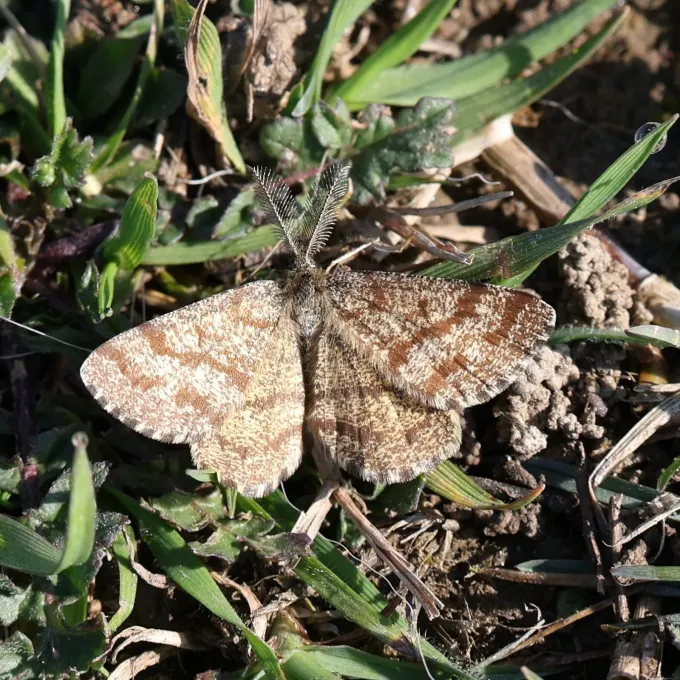
The heath moth Ematurga atomaria is a species of moth belonging to the Geometridae family. The adult moth has a wingspan of approximately 30 mm, displaying a mottled pattern with brown markings on a pale yellowish or white background, perfect for camouflage.
The caterpillars, commonly known as inchworms or loopers, possess an elongated body and exhibit a distinctive looping motion while moving. Their color ranges from green to brown, allowing them to blend seamlessly with the foliage of host plants.
Pupae are brown in color and typically overwinter in the upper soil layers or among plant debris within a loose silken cocoon. Unlike many other geometrid moths, the adults are primarily diurnal, being active during daylight hours.
The life cycle involves complete metamorphosis, with one or two generations per year depending on the climatic zone. The flight season for adults usually begins in spring or early summer, aligning with the plant's growth peak.
Developmental success is heavily influenced by environmental temperature. Warm and dry conditions significantly accelerate the life cycle, leading to faster population growth and increased pressure on vulnerable host plants.
What it damages
The primary damage is caused by larvae (caterpillars) that feed on the foliage and young shoots of plants. They primarily target plants within the Ericaceae family, including heathers and azaleas.
The moth is also known to feed on various legumes and other herbaceous plants found in grasslands and forest edges. In nurseries, it can cause substantial economic losses by defoliating ornamental saplings.
Mass infestations often lead to significant defoliation, which weakens the plant's physiological condition. This stress makes the plants more susceptible to secondary fungal or bacterial diseases and environmental extremes.
Beyond leaf consumption, the larvae may damage developing buds, which can negatively impact the aesthetic quality and blooming capability of the plants. This is particularly problematic for commercial decorative plant growers.
The economic threshold for intervention is determined by larval density. Once the number of caterpillars exceeds the tolerance level, prompt action is required to prevent widespread damage to the vegetation.
Signs of infestation
Early signs of infestation include small, irregular holes in the leaves or chewed leaf margins. Caterpillars often skeletonize the leaf tissue, leaving behind only the veins in severe cases.
The presence of dark, granular excrement pellets on the leaves or the ground beneath the plants is a tell-tale indicator of active feeding by the larvae.
Leaf curling or webbed clusters of foliage are also common signs. Caterpillars often construct these temporary shelters to protect themselves from excessive heat and direct sunlight during the middle of the day.
Stunted growth or wilting shoots in the late spring or summer often indicate that the infestation has reached a level where it is affecting the overall health and vitality of the plant.
Close inspection of the underside of leaves may reveal small, pale eggs deposited in small batches. Early detection of these clusters is crucial for managing the population before larvae emerge.
Control measures
Integrated Pest Management (IPM) is the best approach. Regular monitoring and the removal of weeds that act as alternative hosts are essential for reducing the likelihood of a Ematurga atomaria outbreak.
Biological control methods, such as applying treatments based on Bacillus thuringiensis, are highly effective against these larvae while maintaining the safety of beneficial pollinators and other non-target insects.
For severe infestations, systemic or contact insecticides may be necessary. It is recommended to apply treatments during the early morning or evening when caterpillars are most active and feeding.
Promoting a healthy environment for natural predators, such as birds and predatory wasps, can help keep the population of heath moths under natural regulation.
- Fall soil cultivation to disturb and destroy overwintering pupae.
- Use of light traps for population monitoring and adult reduction.
- Sanitary pruning and destruction of heavily infested plant tissues.
Taxonomy
- Latin name
- Ematurga atomaria
- Order
- Lepidoptera (butterflies)
- Family
- Geometridae
- EPPO code
- HEMUAT
Discussion
No discussions yet — be the first.