
Tea geometrid
Ectropis
Description
How to identify
Ectropis is a genus of moths in the Geometridae family, known for containing several species that function as significant agricultural pests, particularly the Ectropis obliqua.
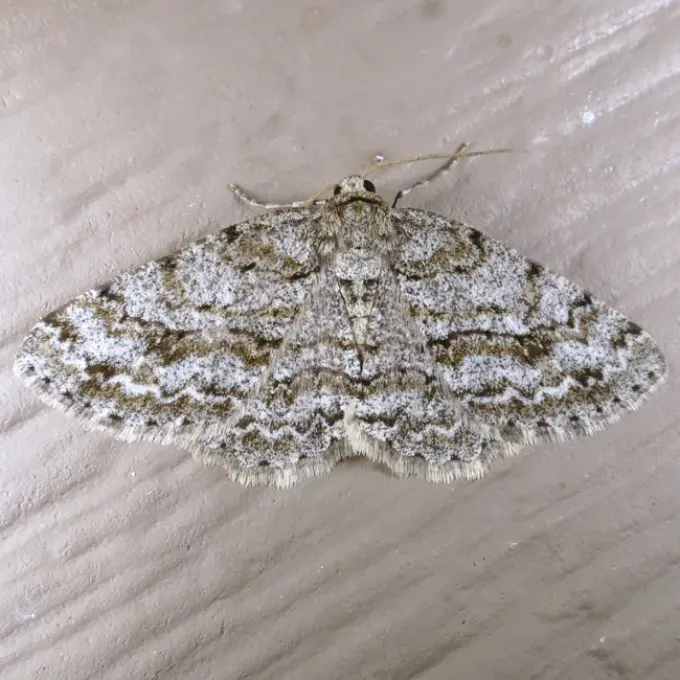
The adult moths have a wingspan typically ranging from 30 to 40 mm, with camouflage-like patterns in shades of gray, brown, and tan that blend into tree bark.
The larvae, commonly known as inchworms or loopers, possess a characteristic gait, moving by looping their bodies because they lack mid-abdominal prolegs.
These caterpillars can reach 50 mm in length and exhibit coloration that perfectly mimics the twigs and leaves of the host plant, making them difficult to detect.
Pupation generally occurs in the soil or under leaf litter, where the pupae undergo development before emerging as moths to begin the next generation.
What it damages
Ectropis is a polyphagous pest, though it is most famous for causing severe damage to tea plantations, where it feeds on tender leaves and shoots.
Beyond tea, this pest affects various woody plants, fruit orchards, and ornamental shrubs, potentially leading to widespread defoliation.
Feeding damage starts with small holes in the foliage and progresses to the complete consumption of leaves, often leaving only the hard central veins.
Severe infestations reduce the photosynthetic capacity of the plant, leading to stunted growth, lower crop yields, and increased vulnerability to secondary infections.
In high-density outbreaks, the cumulative feeding of thousands of larvae can devastate large areas of vegetation in a matter of weeks.
When it appears
The life cycle of the tea geometrid is highly dependent on ambient temperature and humidity, which determine the number of generations per season.
Adult moths are typically nocturnal and are most active during the spring and summer months when they lay eggs on the undersides of host leaves.
Larval development progresses through several instars, with the most significant food consumption occurring in the later stages of growth.
The pest typically survives the winter in a quiescent stage, either as a pupa in the soil or as eggs depending on the specific environmental conditions of the region.
Monitoring for adult flight using pheromone traps or light traps is essential for timing interventions before the larval population reaches destructive levels.
Signs of infestation
The most visible sign of an infestation is irregular leaf margins and localized skeletonization of the leaf surface caused by younger larvae.
Accumulated larval frass (droppings) on the leaves or the ground beneath the plant is a clear indicator that a population of caterpillars is present.
Detection is often aided by observing the caterpillars' behavior; when disturbed, they often freeze in an elongated posture, resembling a small twig.
Sudden defoliation of the canopy or the presence of "bare" branches during the growing season warrants an immediate inspection of the plantation.
Digging into the top layer of soil during the off-season can reveal pupae, confirming the pest's presence and potential threat for the upcoming season.
Control measures
Cultural control methods involve disturbing the soil during the pupation period, which helps destroy the pupae and break the pest's life cycle.
Biological control strategies are preferred in sensitive environments, such as organic tea farms, to preserve ecosystem balance and avoid chemical residues.
- Application of Bacillus thuringiensis based bio-pesticides.
- Encouraging the presence of natural predators like parasitic wasps and predatory beetles.
- Manual removal of larvae in small-scale or residential garden settings.
- Using pheromone traps for monitoring and mass trapping of male moths.
- Selective use of insecticides only when population thresholds are exceeded.
Integrated Pest Management (IPM) practices should be employed to ensure long-term sustainability and reduce reliance on broad-spectrum chemical treatments.
Taxonomy
- Latin name
- Ectropis
- Order
- Lepidoptera (butterflies)
- Family
- Geometridae
- EPPO code
- ECTRSP
Discussion
No discussions yet — be the first.