
Dorisiana drewseni
Dorisiana drewseni
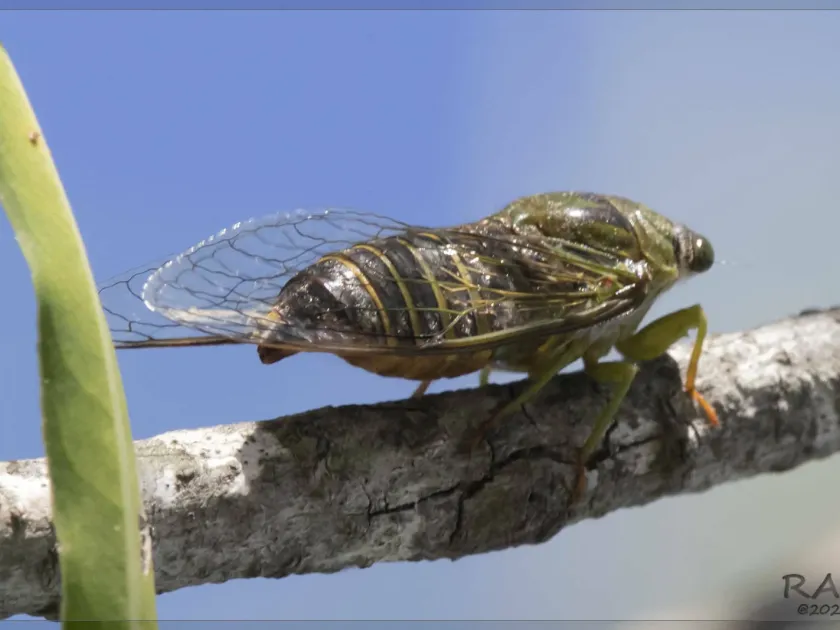
Description
How to identify
Dorisiana drewseni is a large insect belonging to the Hemiptera order and the Cicadidae family. Adults are characterized by prominent compound eyes, transparent membranous wings with detailed venation, and a robust proboscis specifically adapted for feeding on plant sap.
The coloration of these insects provides excellent camouflage against tree bark and foliage, making them difficult to spot. Their relatively large body size makes them identifiable once they emerge in high numbers on agricultural plots.
The life cycle involves multiple stages: egg, nymph, and adult. The nymphal stage is particularly long and occurs entirely underground, where the insects feed on plant roots, remaining largely invisible during this development phase.
Taxonomically, this species requires careful identification as members of the Cicadidae family often exhibit specific host preferences. Accurately identifying Dorisiana drewseni is essential for creating targeted management plans.
The adult males are well-known for producing loud, species-specific acoustic signals, which often serve as the primary indicator for farmers that a population has established itself within the plantation.
What it damages
The primary hosts for Dorisiana drewseni are woody plants, most notably coffee trees. Both nymphs and adults inflict damage by using their specialized mouthparts to pierce plant tissue and extract vital fluids.
Nymphs residing in the soil consistently feed on root systems, causing a gradual decline in the tree's overall vigor, reducing its resilience, and making it more susceptible to secondary diseases and drought stress.
Adult insects feed on the aerial parts of the tree, such as shoots and branches. These punctures disrupt sap flow, leading to the deformation of leaves, premature leaf drop, and stunted growth of the plant.
Massive outbreaks of this cicada species can lead to severe losses in coffee yields due to the depletion of the host tree's resources. Damaged bark also creates entry points for fungal pathogens, leading to branch dieback.
High population densities can significantly compromise the economic lifespan of a coffee plantation, turning productive orchards into weakened stands that require extensive remedial care to survive.
When it appears
The emergence of adult Dorisiana drewseni is closely tied to local climatic patterns, particularly the onset of the rainy season or significant temperature increases, which trigger the transition from soil-dwelling nymphs to winged adults.
Activity peaks during the warmer months, when adults migrate throughout the canopy for feeding and mating. During this period, females actively deposit eggs into plant tissue or the soil surface, initiating the next generation.
Nymphs remain active underground throughout the year regardless of seasonal shifts, although their feeding intensity correlates with the growth cycles of the tree's root system.
Agronomists monitor population peaks through visual inspections and by listening for the increased intensity of acoustic signals during daylight hours, which helps in scheduling timely intervention.
It is important to note that overlapping generations can create an extended period of pest pressure, necessitating continuous monitoring throughout the entire growing season to prevent significant damage.
Signs of infestation
The most visible sign of infestation is the presence of numerous small puncture wounds on shoots and branches, often characterized by weeping sap that can attract ants and other opportunistic insects.
Leaves on infested trees may exhibit wilting, yellowing, and eventual curling. The overall growth of young shoots is significantly hampered, making them brittle and prone to breakage under environmental stress.
The presence of empty nymphal skins (exuviae) left on the trunks of trees after the final molt serves as clear evidence that the life cycle of the pest is being completed within the plantation.
- High-frequency stridulation from adult males.
- Small, circular emergence holes in the soil around the base of trees.
- Significant drop in harvest volume and smaller-than-average beans.
- Visible, darkening weeping wounds on stems and branches.
Increased bird activity within the plantation is another indirect indicator, as many bird species prey on adult cicadas, effectively highlighting areas of higher pest concentration.
Control measures
Managing this pest requires an integrated approach that combines cultural, biological, and, if necessary, chemical methods to safeguard coffee production from long-term damage.
Cultural practices include maintaining high plant health, regular pruning of heavily infested branches, and efficient irrigation management to help trees recover their vigor following pest pressure.
Biological control emphasizes the preservation of natural enemies, including predatory birds, parasitic wasps, and entomopathogenic fungi, which can significantly suppress population growth without external inputs.
Chemical intervention should be reserved for scenarios where economic thresholds are exceeded. Systemic insecticides are typically the preferred option, as they are translocated within the plant to target sap-feeding insects effectively.
Treatment of the soil in the root zone during the emergence window is a critical tactic to interrupt the life cycle, effectively reducing the number of adults that reach the reproductive phase.
Taxonomy
- Latin name
- Dorisiana drewseni
- Order
- Hemiptera (bugs, aphids, leafhoppers)
- Family
- Cicadidae
- EPPO code
- DORIDR
Discussion
No discussions yet — be the first.