
Dorisiana
Dorisiana
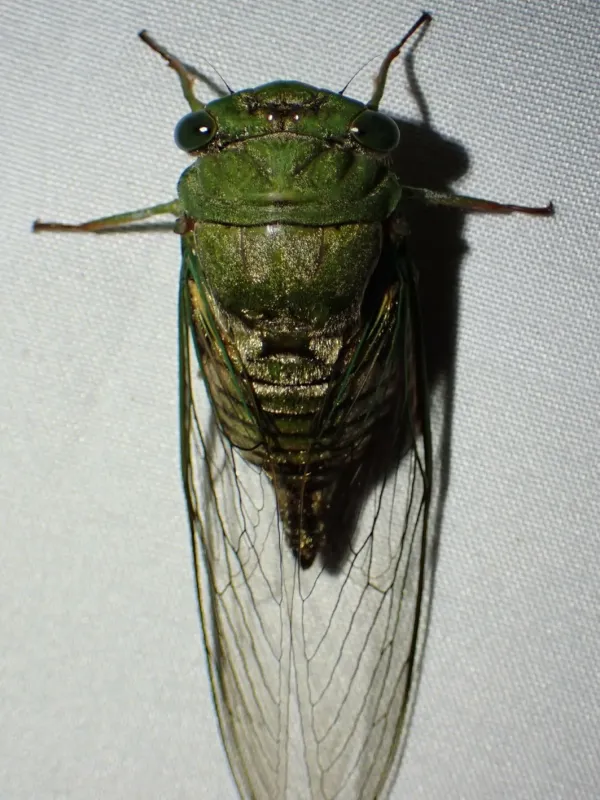
Description
How to identify
Dorisiana is a genus of insects belonging to the cicada family (Cicadidae), order Hemiptera. These insects are known for their robust bodies, well-developed wings with complex venation, and specialized tymbal organs used to produce sound.
Identifying specific species within the Dorisiana genus often requires a detailed examination of the male genitalia. While they may resemble large flies to the casual observer, their piercing-sucking mouthparts clearly classify them as Hemiptera.
The nymphs of Dorisiana spend most of their life cycle underground, living a sedentary lifestyle in the soil. They possess powerful, specialized forelegs designed for digging through dense soil layers to locate plant roots.
Adult Dorisiana exhibit camouflage coloration, typically in shades of brown and green, which helps them blend into the bark or foliage of the host plants. Their size varies significantly depending on the specific species in the region.
A key diagnostic feature of adult Dorisiana is the unique and loud acoustic song produced by males. This sound serves as a vital tool for entomologists and farmers to monitor population densities in the field.
What it damages
Dorisiana primarily feeds on monocotyledonous plants, with sugarcane being a significant host. Damage is inflicted by both the nymphs, which feed on roots, and the adults, which feed on the sap of the aerial plant parts.
Nymphs cause severe damage by feeding on the root system, which deprives the plant of essential water and nutrients. This disruption leads to stunted growth, wilting, and overall reduced vigor of the sugarcane crop.
Adults inflict damage by piercing the stalks with their rostrum. These feeding wounds not only extract vital sap but also create entry points for secondary pathogens, such as fungi and bacteria, leading to stalk rot.
High infestations of Dorisiana can lead to significant economic losses by reducing both the tonnage of the crop and the quality of the sugar content. The damage is cumulative, making the plants more susceptible to environmental stress.
Root damage also impairs the plant's ability to absorb fertilizers efficiently, leading to poor crop performance even when nutrient levels in the soil are adequate.
When it appears
The life cycle of Dorisiana is heavily influenced by regional climatic seasons. The nymphal stage is the most prolonged phase, often lasting several years, during which they develop underground.
The emergence of adults typically coincides with the beginning of the rainy season, which provides favorable conditions for mating and oviposition. This period represents the primary window for monitoring and management.
Adults are most active during the day when sunlight promotes metabolic activity and mating behavior. Their flight patterns are strongest during warm, humid conditions which often prevail during the active season.
After mating, females lay eggs into plant tissue or soil. Once the eggs hatch, the new generation of nymphs immediately moves into the soil, where they remain hidden until they reach the final nymphal instar.
The rate of development is highly dependent on soil temperature and moisture levels. Warm, moist soil can accelerate the migration of nymphs towards host roots, increasing the potential for crop damage during the season.
Signs of infestation
One of the earliest signs of a Dorisiana infestation is the yellowing and wilting of sugarcane leaves that persists despite adequate soil moisture. This indicates damage to the root system by nymphs.
Excavating the soil around the base of the plant often reveals the presence of nymphal burrows and visible feeding lesions on the roots. In severe cases, the roots appear weakened or partially necrotic.
The presence of exuviae (cast-off nymphal skins) on the base of sugarcane stalks is a definitive indicator that nymphs have emerged from the soil to molt into adults.
A loud, persistent acoustic chorus during the day is a clear sign of a high adult population. This sound is often the most reliable way to detect the presence of the insect before visual spotting occurs.
Sticky honeydew secretions found on the stalks, which often attract ants or promote the growth of sooty mold, provide secondary evidence of feeding by sap-sucking insects.
Control measures
Managing Dorisiana requires an integrated pest management (IPM) strategy that combines physical, biological, and chemical control measures to maintain populations below economic thresholds.
- Deep tillage and soil cultivation to disrupt nymphal development and destroy their underground burrows.
- Crop rotation with non-host species to break the life cycle of the pest in the field.
- Application of biological control agents, such as entomopathogenic fungi like Beauveria bassiana, to target soil-dwelling nymphs.
- Targeted use of systemic insecticides during the peak emergence of adults to reduce the reproductive population.
- Acoustic monitoring to detect population spikes, allowing for precise and timely intervention only when necessary.
Taxonomy
- Latin name
- Dorisiana
- Order
- Hemiptera (bugs, aphids, leafhoppers)
- Family
- Cicadidae
- EPPO code
- DORISP
Discussion
No discussions yet — be the first.