
Disclisioprocta
Disclisioprocta
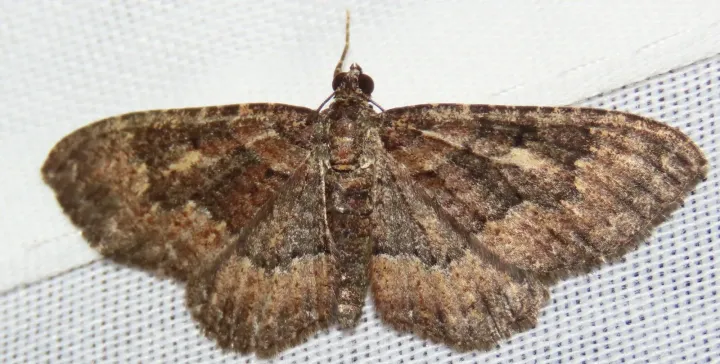
Description
How to identify
Disclisioprocta is a genus of insects within the order Lepidoptera, belonging to the family Geometridae. The most frequently documented species is Disclisioprocta stellata.
Adult moths typically have a wingspan ranging from 25 to 30 mm. Their coloration is generally cryptic, featuring mottled grey-brown or reddish-brown patterns that allow them to blend into bark or dry leaves.
The larvae, known as loopers or inchworms, exhibit the characteristic movement of the Geometridae family, arching their bodies as they move along the host plant's stems.
Pupation usually occurs within the soil or inside folded, silk-spun leaves, providing the insect with protection against environmental stressors and predators during this vulnerable stage.
These moths are primarily nocturnal, remaining hidden during the day, which makes their detection challenging for farmers and gardeners without nocturnal monitoring.
What it damages
The primary hosts for Disclisioprocta include various members of the Solanaceae family, with a notable preference for wild and cultivated Physalis species.
While often found on native host plants, the pest can migrate to nearby agricultural fields, causing economic damage if the population density reaches significant levels.
Larval feeding is the primary cause of concern, as caterpillars consume leaf tissue, creating irregular holes and consuming leaf margins extensively.
High infestations often result in the skeletonization of leaves, where only the vascular structure remains, severely hindering the plant's ability to photosynthesize effectively.
In addition to foliage damage, larvae may feed on flowers and developing fruit, which directly reduces overall harvest yield and depreciates the quality of produce.
When it appears
The seasonal activity of Disclisioprocta is heavily dependent on local temperature gradients and climate zones, dictating the number of generations per year.
Adult emergence typically begins in late spring, as temperatures rise, signaling the start of the breeding cycle and egg-laying processes on host foliage.
The flight period for adults persists throughout the summer, with the peak larval damage commonly observed during the mid-to-late summer months when crops are most lush.
As the season turns to autumn, the final generation of larvae completes their growth, and the insects transition into the pupal stage for overwintering in the soil.
Mild winters and high humidity often favor the survival of overwintering pupae, potentially leading to higher pest pressure in the subsequent growing season.
Signs of infestation
The most immediate sign of an infestation is the presence of frass (small, dark larval droppings) on the leaves or the soil surface underneath the host plants.
Foliar damage, characterized by ragged edges and necrotic patches, indicates active larval feeding, especially on the underside or inner parts of the plant canopy.
Small, translucent or pale-colored eggs deposited on the undersides of leaves provide evidence of a new generation being established in the area.
The presence of fine, silk-like webbing between leaves or stems is another indicator, as caterpillars use silk to secure leaves for feeding or to create a protective hide.
Wilting of leaves or premature fruit drop can also be secondary signs, reflecting the plant's physiological stress due to sustained feeding pressure.
Control measures
Integrated pest management begins with cultural practices, such as removing wild Solanaceae weeds near fields to eliminate breeding reservoirs.
Hand-picking caterpillars is a viable solution for small-scale gardens or early-stage infestations, ideally performed at dusk or dawn when the larvae are more active.
Biological control using microbial insecticides based on Bacillus thuringiensis is highly effective against young larvae while preserving beneficial predatory insects.
Chemical intervention should be considered a last resort and must utilize selective insecticides compliant with local agricultural regulations to avoid environmental damage.
- Deep cultivation of soil in the fall to expose and destroy overwintering pupae.
- Deployment of light traps to monitor population spikes and disrupt mating cycles.
- Implementing crop rotation to minimize the long-term buildup of pest populations.
Taxonomy
- Latin name
- Disclisioprocta
- Order
- Lepidoptera (butterflies)
- Family
- Geometridae
- EPPO code
- DSCLSP
Discussion
No discussions yet — be the first.