
Dione juno
Dione juno
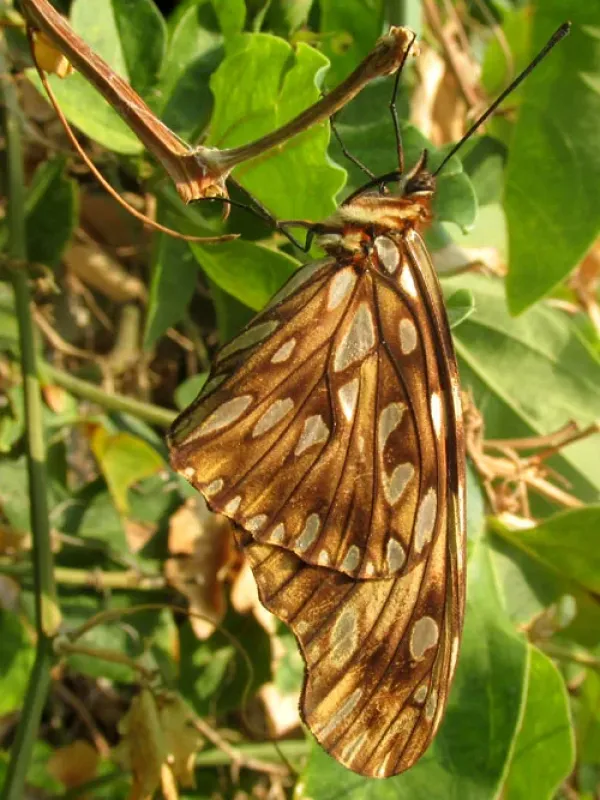
Description
How to identify
Dione juno is a butterfly species belonging to the Nymphalidae family, found primarily in tropical and subtropical zones of the Americas. Adult butterflies are characterized by their striking orange wings with distinct black markings and veins.
The larvae, or caterpillars, of Dione juno are easily identifiable by their intense spiky appearance. They are covered in black, branched spines that serve as a chemical and physical defense against predators.
The pupal stage is often suspended from host plants and mimics dead foliage or organic debris, a form of crypsis that makes them difficult to detect during routine garden inspections.
Their life cycle is relatively rapid, enabling multiple generations to occur throughout the year in warmer climates. This reproductive speed allows populations to grow exponentially in a short timeframe.
Field scouts should look for small, yellow-orange eggs typically deposited in clusters on the underside of leaves. Early identification of these clusters is vital for preventing widespread infestation.
What it damages
Dione juno is a significant pest of the Passifloraceae family, specifically targeting passion fruit (Passiflora edulis) vines. Both commercial and ornamental plantings are at risk of severe defoliation.
The caterpillars are highly voracious and feed extensively on foliage. In heavy infestations, they can strip entire branches bare, leaving only the primary leaf veins behind.
Besides foliage, the larvae may feed on tender apical meristems and flower buds. This type of damage directly reduces the plant's ability to produce flowers and fruits, leading to economic losses.
Feeding sites often become entry points for secondary pathogens, such as fungi and bacteria. Weakened plants are subsequently more susceptible to systemic diseases that further hinder growth.
For young seedlings in nurseries, the pressure from Dione juno can be devastating. Unchecked grazing can easily lead to the death of small plants, necessitating strict monitoring protocols.
Signs of infestation
The most immediate sign of an infestation is the appearance of small, ragged holes in the leaves. As the larvae grow, the size of these holes expands, eventually leading to full skeletonization.
Frass (caterpillar droppings) accumulating on the leaves or beneath the plant is a clear indicator of active feeding. The presence of dark, granular pellets provides a strong clue for diagnosis.
Heavy defoliation in specific sections of the vine usually suggests a cluster of caterpillars is working in that area. Observing the plant structure for missing leaf parts is a standard practice.
The presence of groups of larvae, often clustered on stems or the undersides of leaves during the day, confirms the identity of the pest responsible for the damage.
A sudden decline in plant vigor, accompanied by leaf loss, is a late-stage symptom of prolonged infestation that warns growers that immediate remedial action is required.
Control measures
Manual removal is the most direct and eco-friendly control method. Collecting caterpillars and scraping off egg clusters can significantly reduce population density in small gardens.
Biological control using microbial insecticides based on Bacillus thuringiensis is highly effective. These treatments target the caterpillars specifically without disrupting beneficial insect populations.
Promoting the presence of natural enemies, such as parasitic wasps and predatory birds, can provide long-term regulation of Dione juno populations in a sustainable agricultural system.
Chemical intervention should be reserved for severe outbreaks. Always select insecticides with minimal residual impact and ensure strict adherence to safety intervals before harvesting any fruit.
Preventative cultural practices include maintaining healthy, well-nourished plants and monitoring nearby alternate host plants. A proactive approach is the best defense against seasonal pest surges.
Taxonomy
- Latin name
- Dione juno
- Order
- Lepidoptera (butterflies)
- Family
- Nymphalidae
- EPPO code
- DIONJJ
Discussion
No discussions yet — be the first.