
Dimorphopterus
Dimorphopterus
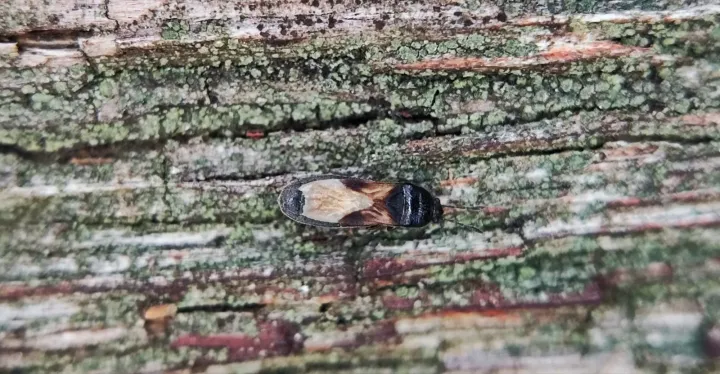
Description
How to identify
Dimorphopterus is a genus of insects belonging to the family Blissidae. These small bugs are known for their preference for monocotyledonous plants, particularly those in the Poaceae family.
Adult bugs are characterized by an elongated body shape and are often dark brown or blackish in color, which helps them blend into their environment.
Systematically, they fall under the order Hemiptera. Many species within this genus exhibit wing polymorphism, meaning individuals can have fully developed or reduced wings.
The nymphs resemble smaller, wingless versions of the adults, developing through five distinct instars before reaching maturity.
Their presence is often overlooked because they prefer staying in hidden, humid micro-habitats such as leaf sheaths or near the base of the plant stem.
What it damages
Dimorphopterus primary hosts include cereals such as wheat, barley, and rye, which are susceptible to their sap-sucking behavior during the growth stages.
The damage is caused by the insertion of stylets into plant tissues, extracting sap and injecting digestive enzymes that disrupt the plant's vascular system.
Infestation typically results in leaf yellowing, stunting, and in severe cases, the death of young shoots, especially if the infestation occurs early in the season.
Corn and other grasses can also serve as hosts, but the most significant economic impact is observed in winter and spring cereal production.
Plants weakened by feeding are significantly more susceptible to environmental stress, including drought, and may fail to produce viable grain heads.
When it appears
The lifecycle begins with adults overwintering in soil debris, leaf litter, or dense weeds, emerging once temperatures rise in the spring.
During the spring, the insects feed on weeds before migrating to agricultural fields, where they lay eggs on the lower parts of young cereal plants.
Depending on the climatic conditions and species, there can be multiple generations per year, with activity peaking during the tillering and jointing phases.
Nymphs are particularly active during warmer periods, and their development is highly dependent on humidity levels within the crop canopy.
As the season progresses and temperatures drop, adults prepare for hibernation, moving to protected areas where they will spend the winter months.
Signs of infestation
The first visual signs of infestation often include pale yellowing or necrotic streaks on the leaves near the plant base.
Damaged plants often exhibit reduced growth rates and might look wilted, even when soil moisture levels are considered adequate for the crop.
Careful inspection of the stem base and leaf sheaths will often reveal clusters of the bugs, as they aggregate while feeding.
In cases of heavy infestation, plants may show signs of lodging or stem deformation, which negatively affects the harvest quality.
- Yellowing of leaves starting from the tips.
- Wilting of individual tillers.
- Stunted growth of the cereal crop.
- Visible presence of insects in leaf axils.
Control measures
Deep autumn plowing is a highly effective cultural practice that disrupts overwintering sites, significantly reducing the pest population for the following year.
Effective weed management, both within fields and along field borders, is critical to eliminating early-season alternative food sources for the bugs.
Crop rotation serves as a primary preventative strategy, preventing the continuous buildup of Dimorphopterus populations in specific soil areas.
Chemical control involving systemic insecticides is utilized when pest numbers exceed the economic threshold to prevent substantial yield losses.
Monitoring programs using sweep nets or direct counts are recommended to time intervention strategies correctly and minimize insecticide use.
Taxonomy
- Latin name
- Dimorphopterus
- Order
- Hemiptera (bugs, aphids, leafhoppers)
- Family
- Lygaeidae
- EPPO code
- DIMOSP
Discussion
No discussions yet — be the first.