
Dieuches notatus
Dieuches notatus
Description
How to identify
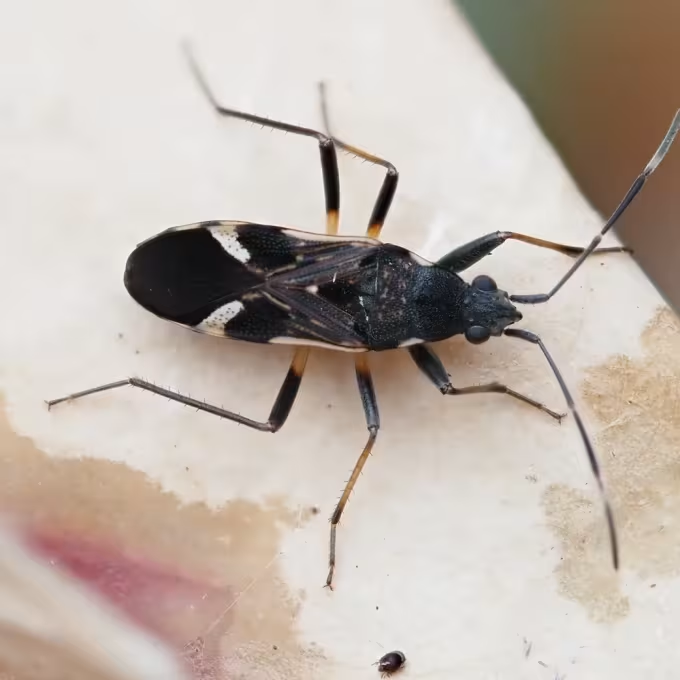
Dieuches notatus is a species of ground bug (family Rhyparochromidae) that typically inhabits surface layers of the soil. Adults are characterized by an elongated oval body, generally measuring between 7 to 9 millimeters in length.
Their coloration ranges from dark brown to black, providing effective camouflage against soil debris and withered plant matter. This cryptic appearance makes them difficult to spot during routine field inspections.
A key visual identifier is the presence of pale, yellowish-white markings on the hemelytra (forewings). These patches help distinguish Dieuches notatus from other similar ground-dwelling bugs found in agricultural environments.
The head features well-developed compound eyes and a typical piercing-sucking mouthpart. Their legs are robust and well-adapted for efficient movement across loose soil surfaces and amongst dense vegetation.
Nymphs undergo several developmental stages; while they resemble smaller, wingless versions of the adults, they are often lighter in color and tend to remain hidden within the soil crust or debris until they mature.
What it damages
This bug primarily acts as a pest of various cereal and technical crops. It feeds on plant sap, causing systemic damage that disrupts the physiological processes of the host plant.
Damage is typically more severe during drought conditions when pests migrate from weeds to moisture-rich crops. Feeding sites usually show localized cell damage and necrosis.
Symptoms of heavy infestation include stunted growth, chlorosis, and in severe cases, the drying out of foliage or stems. Reduced vigor in crops significantly impacts the overall yield potential of the field.
Young seedlings are particularly vulnerable. When these bugs feed on developing stems or roots, they can lead to poor plant establishment, resulting in sparse crop stands that require replanting.
Additionally, the feeding process creates entry points for secondary pathogens, such as fungi or bacteria, which can exacerbate the physical damage caused by the insects themselves.
When it appears
The life cycle and activity of Dieuches notatus are heavily influenced by temperature and moisture availability. Adults survive the winter in a state of diapause, sequestered beneath plant litter or within the upper layers of soil.
Emergence typically begins in early spring as soil temperatures rise. This timing often coincides with the germination and early growth phases of various spring-sown crops.
Peak population levels are usually reached during the summer months when environmental conditions favor rapid reproduction and development. Multiple generations may occur throughout the season in warmer regions.
As autumn temperatures begin to decline, the bugs seek sheltered overwintering sites, often migrating toward the edges of fields, hedgerows, or non-cultivated patches.
Farmers should implement scouting programs throughout the growing season, specifically targeting field borders and areas adjacent to weedy strips where the bugs initially congregate.
Signs of infestation
The presence of Dieuches notatus can be confirmed by visual identification of the bugs themselves near the roots or bases of host plants, especially during the cool hours of the morning or evening.
Early signs of infestation often appear as small, bleached spots on the leaves or stems where the insects have penetrated the plant tissue. These necrotic spots are early indicators of feeding damage.
An uneven crop canopy or localized patches of yellowed, wilting plants are strong indicators of significant bug pressure within a specific area of the field.
Excrement deposits on leaves and discarded nymphal exuviae (cast-off skins) are definitive signs of active pest presence and population growth within the crop canopy.
If the ground is disturbed around the base of affected plants, the movement of adult bugs away from the site is a classic behavioral sign of a localized infestation.
Control measures
Cultural control strategies include thorough soil cultivation, such as deep plowing after harvest, which disrupts overwintering sites and reduces the survival rate of the pest population.
Rigorous weed management is essential. By eliminating alternative host plants in and around the field, the pest's ability to thrive and migrate into the main crop is severely curtailed.
Crop rotation helps break the life cycle of the pest, making it harder for established populations to maintain their density over multiple years on the same plot.
Chemical intervention with systemic or contact insecticides may be necessary if monitoring reveals that the pest population has exceeded the economic threshold for damage.
Biological control through the preservation of beneficial predators, including various spiders and ground beetles, helps maintain a balance and suppresses pest numbers naturally within an integrated pest management framework.
Taxonomy
- Latin name
- Dieuches notatus
- Order
- Hemiptera (bugs, aphids, leafhoppers)
- Family
- Lygaeidae
- EPPO code
- DIEUNO
Discussion
No discussions yet — be the first.