
Diceroprocta
Diceroprocta
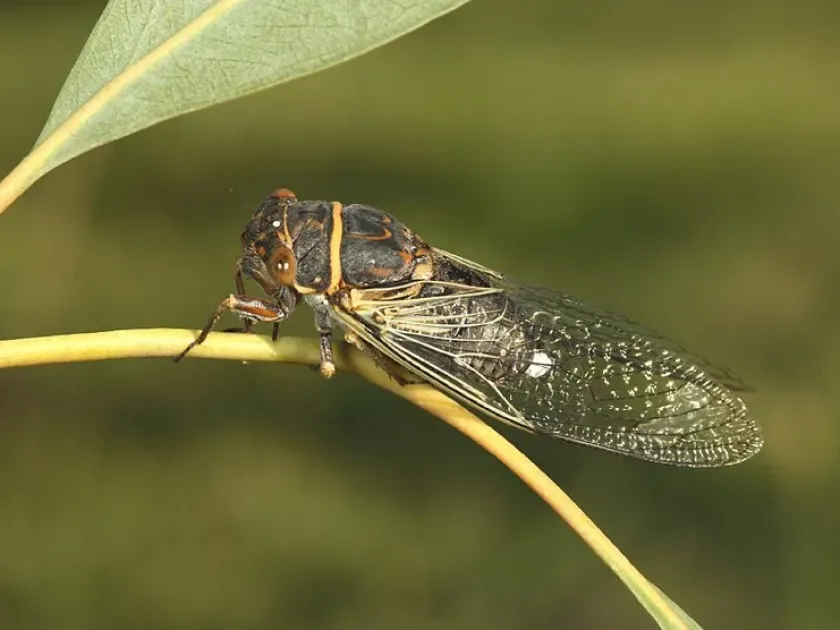
Description
How to identify
Diceroprocta is a genus of insects belonging to the family Cicadidae, commonly known as cicadas. These insects are distinguished by their robust bodies and clear, membranous wings with intricate venation.
Adult cicadas usually range from 2 to 5 cm in length. Their coloration, often earth-toned, provides excellent camouflage against tree bark, making them hard to spot despite their presence.
The head is broad with prominent compound eyes. They possess a specialized piercing-sucking mouthpart, a rostrum, which they use to feed on the xylem of trees and shrubs.
Males are known for their loud, rhythmic songs produced by specialized abdominal organs called tymbals, which serve as a primary means of attracting females during the mating season.
The nymphs are subterranean, featuring strong, digging forelegs adapted for living underground and feeding on the sap of tree roots for several years before maturing.
What it damages
These insects primarily affect a wide range of woody plants, including various fruit trees and ornamental species. They cause damage both as adults and as developing nymphs.
Adult females cause significant mechanical damage when they use their ovipositors to slit twigs and branches for egg-laying. These deep incisions weaken the branches, often leading to breakage.
Nymphs living in the soil feed on the sap of the tree's root system. This prolonged feeding stress can stunt tree growth, reduce vigor, and potentially cause mortality in young or stressed plants.
Branches weakened by egg-laying are susceptible to secondary pathogens, including fungi and bacteria, which can lead to localized dieback or necrotic lesions on the wood.
In high-density populations, the cumulative damage to the vascular system of trees can result in substantial losses in fruit quality and overall orchard productivity.
When it appears
The life cycle of the Diceroprocta genus is extensive and typically involves several years spent in the nymphal stage underground, feeding on roots.
Adult emergence occurs in the warmer months, typically in early to mid-summer, when nymphs crawl out of the soil and undergo their final molt into winged adults.
The mating and oviposition period is relatively brief, usually spanning a few weeks during the peak of the summer, during which the majority of visible damage occurs.
Once eggs are laid, they hatch within a few weeks, and the tiny nymphs immediately burrow into the soil to begin their multi-year developmental journey.
Environmental factors, such as soil moisture and temperature, play a critical role in synchronizing the emergence of these insects, making seasonal surveillance essential for control.
Signs of infestation
The most audible sign of a Diceroprocta infestation is the intense, continuous buzzing or singing of males during hot summer days.
Visual identification of egg-laying sites on thin twigs appears as elongated, jagged scars or splits in the bark, often resulting in wilting foliage above the damaged section.
Circular exit holes in the soil around the base of the trees are clear indicators that nymphs have recently emerged to become adults.
The presence of exuviae—the discarded, brittle exoskeletons left behind by nymphs after molting—clinging to tree trunks is a definitive sign of an active infestation.
General plant decline, including yellowing leaves or premature leaf drop, can indicate significant root damage caused by subterranean nymph activity over several seasons.
Control measures
The most effective mechanical control is the pruning and immediate destruction of branches containing egg nests before the nymphs hatch and enter the soil.
Chemical control can be implemented during the adult emergence phase; however, it must be timed accurately to coincide with peak insect activity to be effective.
Promoting tree health through proper fertilization and irrigation helps trees recover more quickly from the physiological stress induced by root-feeding nymphs.
Encouraging natural predators, such as birds, small mammals, and predatory insects, can help keep population levels in check within an orchard ecosystem.
For high-value saplings, the use of fine-mesh netting during the peak emergence season can physically prevent female cicadas from landing on and damaging the branches.
Taxonomy
- Latin name
- Diceroprocta
- Order
- Hemiptera (bugs, aphids, leafhoppers)
- Family
- Cicadidae
- EPPO code
- DICPSP
Discussion
No discussions yet — be the first.