
Deudorix epijarbas
Deudorix epijarbas
Description
How to identify
Deudorix epijarbas is a butterfly belonging to the Lycaenidae family, well-known in agricultural circles as the pomegranate fruit borer, a significant pest of several fruit crops.
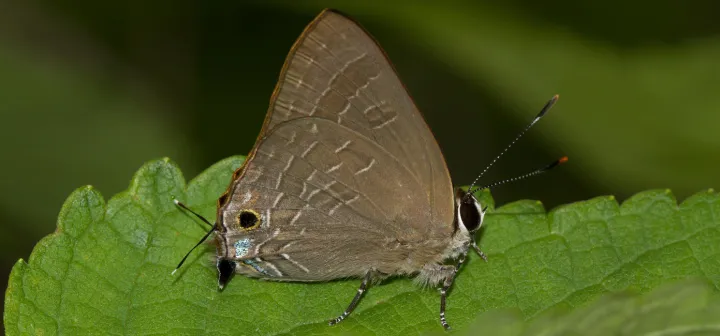
The adult butterflies exhibit sexual dimorphism, with males displaying dark brown wings with bright orange patches, while females generally have a lighter, more muted coloration.
Eggs are typically laid individually on the calyx or the skin of young, developing fruit, ensuring that the larvae have immediate access to a food source upon hatching.
The larvae progress through several instars, shifting from a pale initial color to a deep reddish or brownish hue, which is a key diagnostic feature for field identification.
Pupation frequently occurs on the surface of the fruit or nearby twigs, where the pupae are well-camouflaged, blending perfectly with the bark or skin of the host plant.
What it damages
The primary host of this pest is the pomegranate, where larvae bore into the fruit and consume the pulp and seeds, leading to severe quality degradation and total crop loss.
Beyond pomegranate, Deudorix epijarbas can attack other commercial crops such as lychee, macadamia, and occasionally citrus, acting as a polyphagous pest in warm climates.
The boreholes created by the larvae serve as entry points for secondary pathogens, including various fungi and bacteria, which cause the internal tissues of the fruit to rot rapidly.
Economic damage is exacerbated by the fact that infested fruits often drop prematurely, and those that remain on the tree are largely unmarketable due to internal decay.
In regions with high pest pressure, infestation rates can be devastating, requiring constant vigilance and rigorous implementation of preventive agricultural practices.
Signs of infestation
The presence of entry holes on the fruit skin, often surrounded by frass (larval waste), is the most reliable indicator of an active Deudorix epijarbas infestation.
Uneven development, yellowing, or abnormal swelling of the fruit are common signs that larvae are feeding inside and disrupting the normal growth of the pomegranate.
Dark, dried sap leaks on the surface of the fruit often mark the specific point of larval entry, particularly around the calyx area where the larvae often start feeding.
Premature fruit drop during the peak summer months is a strong symptom, indicating that the larvae have compromised the fruit's integrity or pedicel.
Opening an infested fruit typically reveals the presence of larvae and a complex network of tunnels packed with excrement, rendering the entire fruit unfit for consumption.
Control measures
Orchard sanitation is the first line of defense; gathering and destroying all fallen and infested fruits is essential to break the pest's life cycle and reduce future populations.
Monitoring the adult population using pheromone traps is highly effective, allowing growers to time insecticide applications to coincide with peak egg-laying periods.
Biological control agents, such as specific entomopathogenic bacteria or nematodes, can be used to target larvae before they successfully penetrate the fruit's tough skin.
Chemical control must be applied strategically, focusing on the early stages of larval development because once the caterpillar enters the fruit, it becomes inaccessible to sprays.
Integrated pest management strategies should promote the presence of natural predators and parasitoids, which help regulate the population density in well-managed orchard environments.
Taxonomy
- Latin name
- Deudorix epijarbas
- Order
- Lepidoptera (butterflies)
- Family
- Lycaenidae
- EPPO code
- DEUDEP
Discussion
No discussions yet — be the first.