
Deudorix dinochares
Deudorix dinochares
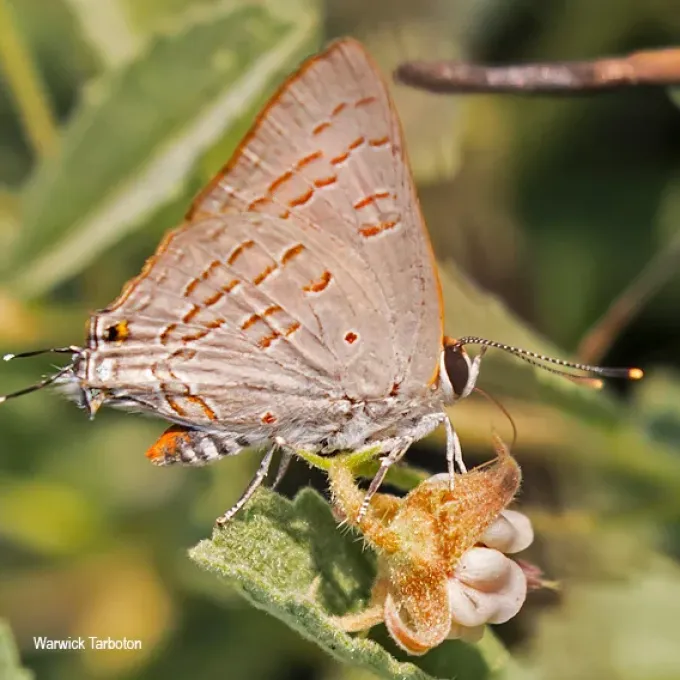
Description
How to identify
Deudorix dinochares is a species of butterfly belonging to the Lycaenidae family. These insects are characterized by their vibrant coloration, often featuring orange and brown patterns, and distinct tail-like extensions on the hindwings.
The larvae, or caterpillars, undergo several developmental stages. Their color varies, providing camouflage against the fruit skin or the foliage of host plants, which makes them difficult to spot in the early phases.
The life cycle is closely linked to the host plant. Female butterflies lay eggs on or near the fruit, ensuring that emerging larvae have immediate access to their primary food source.
This species is predominantly found in African regions, where it is recognized as a significant agricultural pest capable of causing substantial damage to various fruit crops.
Adult butterflies are typically active during the day, and their high reproductive rate enables the population to expand rapidly throughout the growing season if environmental conditions are favorable.
What it damages
The primary damage is inflicted by the larvae, which are borers that feed inside the fruits. They penetrate the skin, consuming the inner pulp and seeds, which renders the produce inedible and unmarketable.
Preferred host crops include pomegranates, citrus fruits, and certain legumes. In some cases, the damage is so extensive that the interior of the fruit is almost entirely consumed.
Openings created by the larvae serve as entry points for secondary pathogens, such as fungi and bacteria. This frequently leads to fruit rot, causing significant losses even before harvest time.
In many regions, this pest is considered a major limiting factor for fruit production, especially for farmers who lack the resources for intensive chemical pest management programs.
Because the damage is internal, it is often discovered only when the infestation is advanced, making it challenging to save the affected portion of the crop once larvae have entered.
Signs of infestation
The most visible sign of infestation is the presence of frass or waste material near the entry holes on the fruit's surface. This accumulation is a clear indicator of larval activity inside.
Small holes or localized discolored spots on the fruit surface suggest that a larva is feeding just beneath the skin. These spots often indicate the development of a tunnel.
Premature fruit drop is a common symptom. When trees shed unripe or stunted fruits, growers should examine them for boreholes to confirm the presence of the pest.
Deformation of the fruit, where growth stops or becomes irregular around the damaged area, is another common sign that the larva has been feeding on the internal tissues for some time.
Monitoring the flight patterns of adult butterflies around the canopy during daylight hours can help in identifying when the egg-laying phase is occurring in the orchard.
Control measures
Sanitation is a critical control measure. Regularly collecting and destroying all fallen fruits prevents the larvae from completing their life cycle and reduces the population for the next season.
Chemical control with insecticides is most effective when timed to coincide with the period of egg-hatching, before the larvae successfully burrow into the fruit where they become protected.
Integrated Pest Management (IPM) techniques, including the use of pheromone traps, are highly recommended for monitoring population density and reducing the number of adult males.
Proper orchard maintenance, such as pruning for canopy aeration, can create less favorable microclimates for the butterflies to lay their eggs, thereby reducing the infestation risk.
For high-value crops, individual fruit bagging is a highly effective, non-chemical method of physical exclusion that prevents the female butterfly from ovipositing on the fruit surface.
Taxonomy
- Latin name
- Deudorix dinochares
- Order
- Lepidoptera (butterflies)
- Family
- Lycaenidae
- EPPO code
- DEUDDI
Discussion
No discussions yet — be the first.