
Deudorix antalus
Deudorix antalus
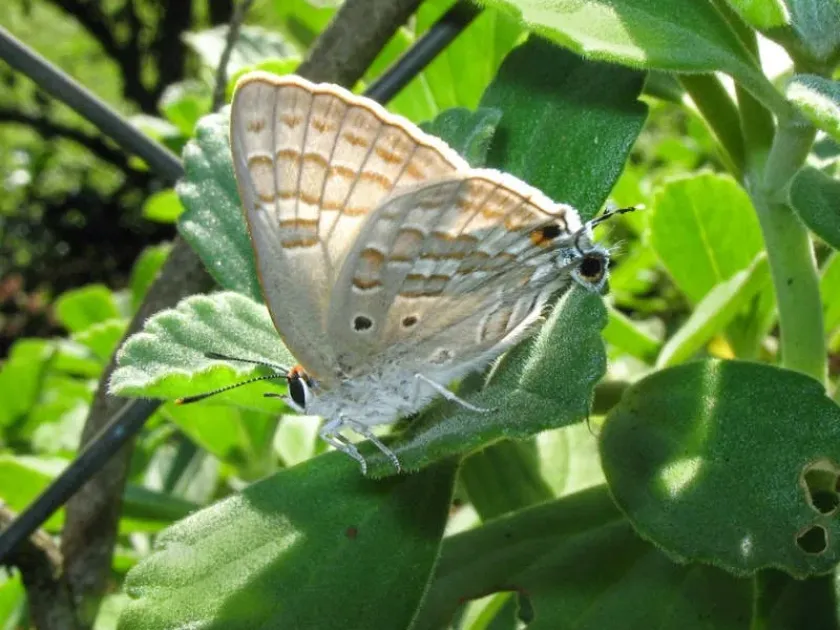
Description
How to identify
Deudorix antalus, commonly known as a type of butterfly within the Lycaenidae family, is a significant agricultural pest in tropical and subtropical regions.
The life cycle of this insect involves a complete metamorphosis, progressing through egg, larval (caterpillar), pupal, and adult stages.
Adult butterflies exhibit sexual dimorphism, with males often presenting brownish or ochre-colored wings, while females are lighter in appearance.
The larvae are particularly well-adapted for boring into the pods of host plants, possessing a flattened body structure that aids in movement through confined spaces.
These insects are highly active during warm seasons, and their populations can increase rapidly in areas with consistent availability of host crops.
What it damages
The primary hosts of Deudorix antalus are various legume crops, including beans, peas, cowpeas, and chickpeas, which suffer from internal infestation.
Larvae bore into the young pods, feeding directly on the developing seeds and rendering the entire pod unmarketable and unsuitable for consumption.
Besides legumes, the pest is known to infest fruits of other plants, such as citrus and pomegranate, causing direct financial losses to farmers.
Damage caused by larvae often facilitates secondary infections, such as fungal pathogens or bacterial rots, which further degrade the harvested produce.
The economic impact is severe as the hidden nature of the larvae makes it difficult to detect the infestation until substantial damage has already occurred.
Signs of infestation
The presence of Deudorix antalus is indicated by small entrance holes on the surface of developing pods, often surrounded by frass (larval excrement).
A visual inspection of the field may reveal deformed pods that are stunted in growth or show premature yellowing compared to healthy plants.
When pods are opened, they reveal the presence of a caterpillar consuming the seeds, leaving behind empty shells and dark debris inside the pod cavity.
Farmers often notice a high percentage of damaged pods during the harvesting process, indicating an unchecked infestation during the flowering phase.
The accumulation of dry larval waste on the outer surface of pods near the entrance hole is a characteristic sign that larvae are currently active inside.
Control measures
Managing Deudorix antalus requires an integrated pest management (IPM) strategy that combines monitoring with precise intervention timing.
Cultural practices, such as crop rotation and the destruction of infested plant debris, are essential for reducing the carry-over of pupae in the soil.
Biological controls, including the encouragement of natural predators and the use of bio-insecticides, provide a sustainable alternative to broad-spectrum chemical sprays.
- Timely application of systemic or contact insecticides during the pod-forming stage.
- Use of pheromone traps for monitoring and early detection of adult flight patterns.
- Planting trap crops or resistant varieties to minimize the attractiveness of the primary crop.
Chemical applications should be strictly timed with the adult butterfly activity peaks to ensure maximum efficacy before the larvae burrow into the pods.
Taxonomy
- Latin name
- Deudorix antalus
- Order
- Lepidoptera (butterflies)
- Family
- Lycaenidae
- EPPO code
- VIRAAN
Discussion
No discussions yet — be the first.