
Grey field slug
Deroceras varians
Description
How to identify
The Grey field slug, scientifically known as Deroceras reticulatum, is a common terrestrial gastropod mollusc belonging to the family Agriolimacidae.
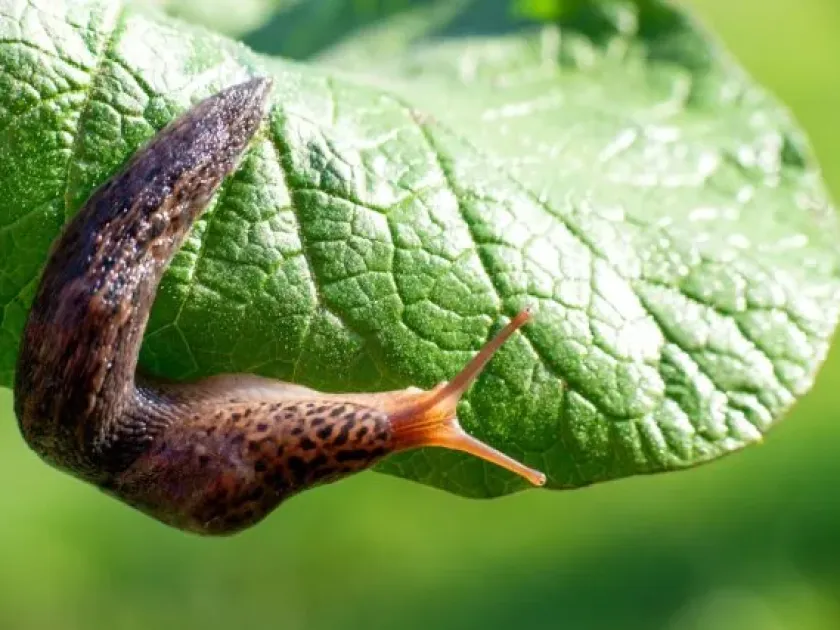
Adult specimens typically reach a length of 35 to 50 mm. Their body is highly flexible, allowing them to squeeze into tight soil crevices and under debris.
The key identification feature is the distinctive mottled or reticulated pattern on the mantle, created by dark pigment spots against a lighter background.
When disturbed, the slug produces a thick, milky-white, opaque mucus, which distinguishes it from many other slug species that produce clear slime.
These slugs are simultaneous hermaphrodites and are capable of self-fertilization, which significantly enhances their ability to colonize new areas rapidly.
What it damages
This species is a major agricultural pest with a very wide host range, feeding on almost all horticultural and cereal crops.
It causes devastating damage to seedlings, often completely consuming the cotyledons and stems of crops like lettuce, cabbage, beans, and canola.
The pest poses a severe threat to potato crops, where it bores deep, irregular holes into tubers, rendering them unsellable and prone to secondary rot.
In strawberry and small fruit cultivation, the slugs consume the ripening fruit, leading to significant yield losses and lower product quality.
Ornamental plants are also severely impacted, as the slugs feed on delicate buds, young flowers, and succulent leaves, causing irreversible aesthetic damage.
When it appears
Slug activity is highly correlated with humidity and soil moisture levels, with peak populations occurring during wet, mild growing seasons.
In spring, when soil temperatures rise above 5°C, overwintering eggs and adult slugs emerge to feed actively on emerging plant tissues.
Their activity is nocturnal, meaning they emerge at night or during overcast, rainy days to feed, while retreating to moist underground burrows by day.
Late summer and autumn are critical periods for reproduction, as the slugs lay large batches of eggs in moist soil, ensuring the population's survival.
In controlled environments like greenhouses, the Grey field slug can maintain activity throughout the year if humidity and temperature are constant.
Signs of infestation
The most prominent sign of a slug infestation is the presence of irregular, ragged-edged holes in the leaves of plants, often appearing overnight.
A shiny, translucent, or silvery trail of dried mucus left on soil surfaces, containers, or plants is a definitive indicator of slug activity.
Dark, cylindrical, small faecal pellets found on the leaves or stems are tell-tale signs that the pests are feeding in the immediate vicinity.
Finding clusters of slugs hiding under rocks, pots, or thick layers of organic mulch during the early morning confirms an active infestation.
Internal damage to root vegetables, such as deep excavations in carrots or potatoes, often suggests a well-established and feeding population.
Control measures
Good cultural practice involves removing weeds, clearing organic debris, and using shallow cultivation to disrupt the slug's daytime refuges.
Physical barriers, such as copper tape, grit, or crushed eggshells, can be placed around sensitive plants to discourage the slugs from crawling across.
Beer traps or bait stations placed at the soil level are highly effective for monitoring and reducing the population size of the pest.
Encouraging biodiversity by providing habitats for natural predators like ground beetles, hedgehogs, and toads helps manage slug numbers naturally.
- Applying professional molluscicides, such as iron phosphate pellets, which are considered safer for pets and wildlife than traditional metaldehyde baits.
Taxonomy
- Latin name
- Deroceras varians
- Order
- Molluscs
- Family
- Agriolimacidae
- EPPO code
- DEROVA
Discussion
No discussions yet — be the first.