
Grey field slug
Deroceras
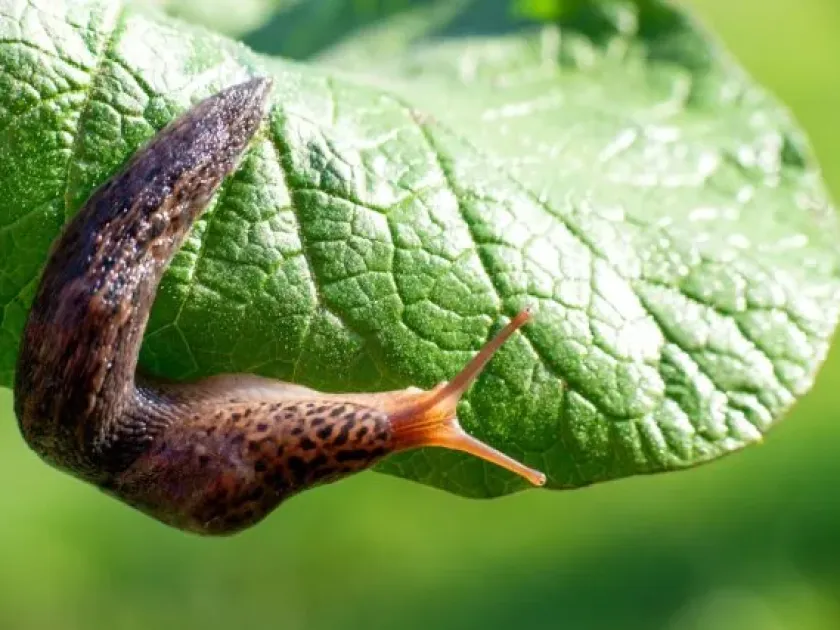
Description
How to identify
The grey field slug (Deroceras agreste) is a common gastropod mollusk belonging to the family Agriolimacidae. Typically ranging from 30 to 50 mm in length, it exhibits a light, grayish-brown color often speckled with darker spots.
The body is covered in a thick layer of mucus, which is essential for its movement and survival in varying environmental conditions. A key diagnostic feature is the position of the breathing pore, which is located in the rear half of the mantle.
This species is highly adaptable and thrives in environments with high humidity, such as dense vegetation, leaf litter, or moist soil. During dry periods, they seek refuge deep within soil crevices to prevent dehydration.
Reproduction involves laying transparent eggs in clusters within the soil or under debris. These eggs are quite resilient, allowing the species to maintain large populations even in unstable conditions.
The life cycle progresses from egg to juvenile and then to a sexually mature adult. In favorable conditions, these slugs can complete their life cycle in just a few months, leading to multiple generations in a single growing season.
What it damages
Grey field slugs are notorious generalist feeders (polyphages) that cause significant economic losses by attacking a wide range of crops. They are particularly damaging to seedlings, vegetables, strawberries, and winter-sown cereals.
When attacking young plants, they can consume entire leaves or stems, leading to severe stand depletion. In many cases, entire fields of emerging crops may need to be reseeded due to their voracious feeding habits.
Tuberous crops like potatoes and root vegetables like carrots suffer from deep pits and irregular holes caused by slug feeding. These injuries significantly reduce the market value of the produce and encourage the development of rot.
Soft fruits, especially strawberries resting on the ground, are often targeted. The damage makes the fruit unmarketable and creates conditions that favor the spread of mold and fungal pathogens across the entire harvest.
Beyond physical destruction, slugs act as vectors for various plant diseases. The wounds they create provide entry points for bacteria and fungi, causing secondary infections that can devastate the quality of a crop.
When it appears
Slug activity typically begins in the spring as soon as temperatures rise and the soil remains moist. The highest levels of damage are usually observed during cool, damp periods, particularly in late spring and early autumn.
During the heat of mid-summer, slugs often reduce their surface activity, retreating underground or into shaded, moist areas to escape desiccation. They resume their feeding activity during night hours or on rainy, overcast days.
The autumn season is particularly critical for newly sown winter crops. Increased rainfall and milder temperatures encourage slugs to emerge and feed on tender seedlings, often leading to patchy crop emergence.
Overwintering occurs primarily in the egg stage, though juveniles and adults can also survive in sheltered areas deep in the soil or under organic debris, provided conditions do not become excessively cold or dry.
In controlled environments like greenhouses or high tunnels, slug activity is not limited by seasons. The constant high humidity and consistent temperatures allow them to thrive and breed throughout the entire year.
Signs of infestation
The most reliable sign of a slug infestation is the presence of silvery, dried mucus trails left on soil surfaces, leaves, and plant stems. These trails are most visible early in the morning before the sun dries them out.
Feeding damage is characterized by irregular holes in leaf blades. In cases of severe infestations, slugs may skeletonize the leaves, leaving only the veins behind, which is a clear indicator of a significant population density.
Root crops may show hollowed-out cavities or deep pits. If you inspect the field at night with a flashlight, you are likely to see the slugs actively feeding on the crop or hiding near the base of the stems.
Wilting of young plants that have no signs of root rot or disease may indicate that slugs have been feeding on the roots or the base of the stem, effectively cutting off the plant's water and nutrient supply.
Locating clusters of slugs under boards, stones, or decaying vegetation during the day confirms their presence in the immediate area. These spots are their daytime shelters, protecting them from predators and sunlight.
Control measures
Effective slug management starts with good cultural practices. Regular soil cultivation disrupts the slugs' habitat, exposes eggs to predators, and dries out the topsoil, which significantly reduces the survival rate of the population.
Maintaining a clean field by removing weeds and crop debris eliminates potential hiding spots. Physical barriers, such as crushed eggshells, coarse sand, or wood ash, can be applied around sensitive crops to deter movement.
Commercial slug pellets containing iron phosphate provide an effective and environmentally friendly control option. Unlike traditional metaldehyde baits, these are generally safe for pets, wildlife, and beneficial soil organisms.
Promoting natural predators like ground beetles, hedgehogs, frogs, and birds is a key component of integrated pest management. Creating natural habitats for these animals helps maintain the ecological balance on the farm.
Trapping can be an effective method for small-scale control. Using beer traps or moist boards as artificial shelters allows for the manual collection and disposal of slugs, which can then be destroyed in a salt or soapy water solution.
Taxonomy
- Latin name
- Deroceras
- Order
- Molluscs
- Family
- Agriolimacidae
- EPPO code
- DEROSP
Discussion
No discussions yet — be the first.