
Marsh slug
Deroceras laeve
Description
How to identify
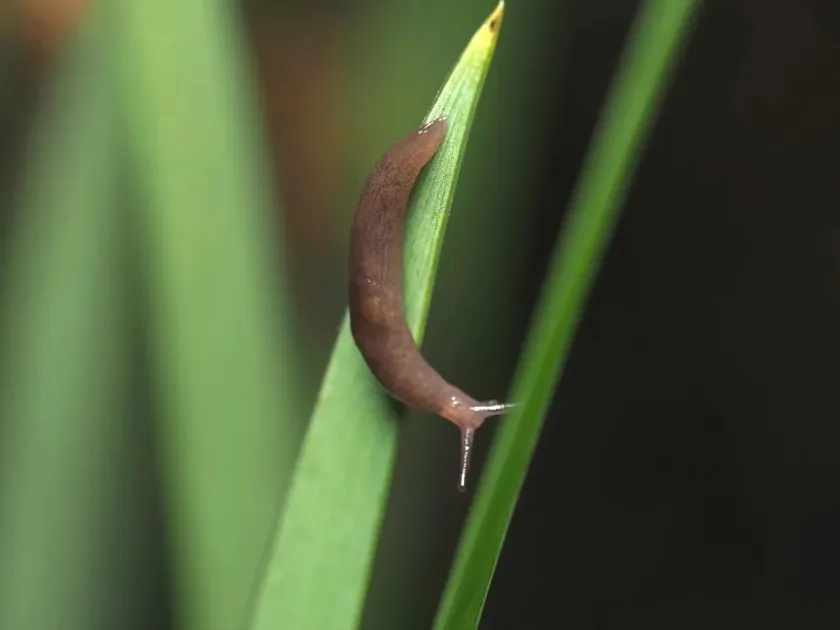
The marsh slug (Deroceras laeve) is a member of the Agriolimacidae family, belonging to the order Pulmonata. It is a small gastropod mollusk, typically measuring between 20 and 35 mm in length.
The body of this pest has a smooth surface coated with mucus, with a uniform coloration ranging from light brown to dark gray or nearly black.
A distinctive morphological feature is its mantle, which covers about one-third of the body, and the respiratory orifice positioned toward the posterior edge of the mantle.
This species is highly moisture-dependent and is unique in its ability to tolerate temporary flooding, allowing it to inhabit wetlands and waterlogged agricultural areas.
Marsh slugs are hermaphroditic and highly prolific, capable of laying up to 500 eggs in a season, which enables rapid population expansion in favorable conditions.
What it damages
As a polyphagous pest, the marsh slug causes significant damage to a wide range of agricultural crops, including vegetables, fruits, and ornamental plants.
Susceptible crops include lettuce, cabbage, cucumbers, potatoes, tomatoes, and various root vegetables, as well as young seedlings of grains and legumes.
The slug primarily feeds on succulent plant tissues, creating large, irregular holes in leaves and stems, which severely reduces plant vitality and yield quality.
Beyond physical consumption, the pest contaminates produce with slime and feces, rendering crops unmarketable and susceptible to secondary rot.
Infestations can be particularly devastating for young, tender plants, often leading to the complete destruction of nursery crops or freshly germinated seedlings overnight.
When it appears
Slug activity typically commences in the spring when soil moisture is high and temperatures remain consistently mild.
Peak damage generally occurs during the wet periods of June and July, and often spikes again in late August if environmental conditions remain damp.
They are primarily nocturnal, seeking refuge during daylight hours under soil clods, organic debris, or in dense vegetation to avoid dehydration.
The life cycle can span several months, allowing for multiple generations per year under suitable temperate climates, which sustains high population levels throughout the season.
Overwintering occurs either as adults or eggs, hidden deep within the soil or under protective mulch layers, ensuring an early emergence in the following spring.
Signs of infestation
The most reliable sign of a marsh slug infestation is the presence of irregular, ragged holes in leaf blades, caused by the rasping action of the slug's radula.
Shiny, silvery trails of dried mucus on leaves, soil, or hard surfaces serve as a clear indicator of the pest's recent movement.
In cases of severe infestation, plants may exhibit extensive defoliation, leaving behind only the coarse primary veins.
Root crops left in the soil often show deep, crater-like excavations that quickly succumb to fungal or bacterial decay.
- Silvery, dried slime trails.
- Irregular holes on leaf edges.
- Destruction of tender seedlings.
- Deep excavations in tubers and root vegetables.
- Presence of slugs beneath garden debris.
Control measures
Effective management begins with sound agricultural practices, such as deep autumn soil tillage, which disrupts nesting sites and destroys overwintering stages.
Maintaining clean fields by removing weeds and organic debris is crucial, as these provide necessary shelter for slugs during the day.
Trapping techniques, such as using containers filled with beer or fermented plant extracts buried flush with the soil, effectively reduce localized populations.
Physical barriers, including lime, wood ash, or crushed eggshells spread around the base of plants, can create a hostile environment that discourages slug movement.
Chemical control using metaldehyde-based molluscicides should be reserved for high-infestation scenarios and applied strictly according to label guidelines to protect non-target species.
Taxonomy
- Latin name
- Deroceras laeve
- Order
- Molluscs
- Family
- Agriolimacidae
- EPPO code
- DEROLA
Discussion
No discussions yet — be the first.