
Grey field slug
Deroceras agreste
Description
How to identify
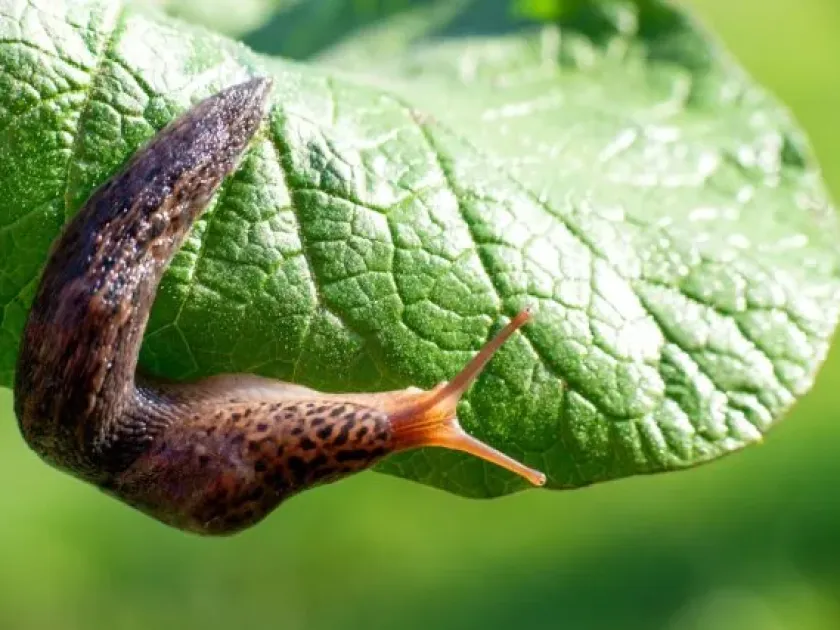
The grey field slug (Deroceras agreste) belongs to the phylum Mollusca, class Gastropoda, and family Agriolimacidae. It is a small pest, typically measuring 20–30 mm in length when contracted, and reaching up to 50 mm while moving.
The body ranges from light grey to brownish, featuring an indistinct dark reticulated pattern on the mantle. The skin is covered in a protective layer of viscous mucus, which prevents desiccation and aids in movement across various substrates.
A distinctive feature of this species is the presence of a keel on the posterior part of the back and the breathing pore located at the rear of the mantle. It is a highly adaptable species found in diverse habitats, especially those with high humidity.
Its life cycle is closely linked to soil moisture and ambient temperature. Being a hermaphrodite, the grey field slug can reproduce rapidly when conditions are favorable, laying eggs in soil crevices or under decaying plant matter.
Development is temperature-dependent; young slugs typically hatch within 2–3 weeks. They reach sexual maturity within a few months, allowing for rapid population growth throughout the growing season.
What it damages
The grey field slug is a polyphagous pest that damages a wide range of crops, including cereals, leafy vegetables, potatoes, and root crops. It is particularly destructive to seedlings and young, succulent plant tissues.
The pest consumes plant tissues, often creating irregular holes in leaves. In cases of high infestation, slugs can completely strip young plants, leaving only the veins or bare stalks behind.
Root crops like carrots and beets are prone to deep cavity damage. These cavities serve as entry points for secondary pathogens, such as fungi and bacteria, leading to rot and rendering the produce unmarketable.
In cereal crops, the slug attacks germinating seeds and young sprouts, which leads to reduced stand density and significant yield losses at the earliest stages of crop development.
Beyond physical damage, the presence of mucus and excrement on produce ruins its quality. This contamination also promotes the development of secondary infections, which often results in greater economic loss than the actual feeding damage.
When it appears
Slug activity is highest during the growing season, particularly in wet spring and autumn months. The optimal temperature for foraging and reproduction is between +15°C and +20°C.
During hot and dry periods, the slugs retreat deep into the soil or under dense mulch to avoid desiccation. In these conditions, surface activity is minimal as they wait for higher humidity levels.
Feeding typically occurs during the night or twilight hours. On overcast or rainy days, slugs may remain active throughout the day, causing significant damage to the green parts of plants.
Slugs overwinter in the soil as both eggs and adults. Emergence occurs when temperatures rise in the spring, at which point they immediately begin feeding on fresh vegetation and crop seedlings.
In regions with mild climates, the life cycle is accelerated, potentially allowing for two or more generations per year, which significantly increases the pressure on cultivated crops.
Signs of infestation
The most reliable sign of a slug infestation is the presence of silvery, dried mucus trails on leaves, stems, and the soil surface. These shiny tracks are a clear indicator of nocturnal activity.
Damage to foliage appears as ragged holes, often starting from the edges of the leaf. Over time, leaves can take on a lacy appearance as the slug consumes the soft tissue while leaving the veins intact.
Hollowed-out cavities in tubers, root vegetables, and low-growing fruits like tomatoes or cucumbers are definitive signs of slug presence, especially when detected near the ground.
If you suspect an infestation, you can place moist boards or damp burlap in the garden as simple traps. Checking these in the early morning often reveals the presence of slugs hiding from the daylight.
A foul, decaying odor from damaged plants or the presence of slime-coated excrement on the soil surface is a strong indicator of a severe infestation that requires immediate attention.
Control measures
Agricultural control includes regular weeding to remove shelters, clearing away plant debris, and deep autumn cultivation to expose eggs and slugs to predators and harsh weather conditions.
Creating physical barriers using abrasive substances like wood ash, crushed eggshells, or lime around sensitive plants can effectively discourage slugs from crossing into the crop area.
Mechanical trapping using containers filled with beer or simple moist hides (boards) can significantly reduce slug populations in small gardens or organic plots without the use of synthetic chemicals.
Chemical control usually involves the application of molluscicide pellets containing metaldehyde or iron phosphate. Iron phosphate is preferred in modern agriculture due to its lower toxicity to pets and wildlife.
Biological control methods include encouraging natural predators such as hedgehogs, birds, and toads. The use of the parasitic nematode Phasmarhabditis hermaphrodita is also a highly effective, eco-friendly solution for managing slug populations.
Taxonomy
- Latin name
- Deroceras agreste
- Order
- Molluscs
- Family
- Agriolimacidae
- EPPO code
- DEROAG
Discussion
No discussions yet — be the first.