
Hamster follicle mite
Demodex criceti
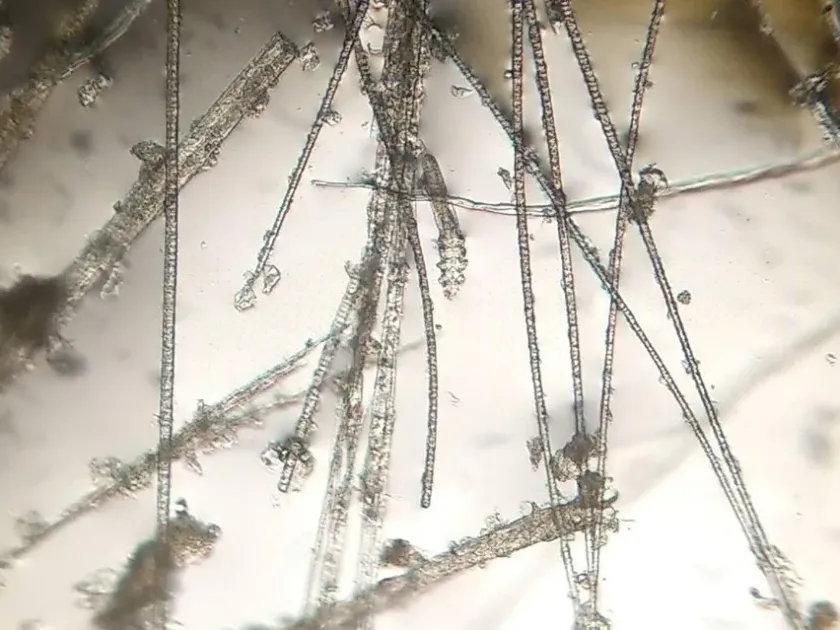
Description
How to identify
The hamster follicle mite (Demodex criceti) is a microscopic mite belonging to the family Demodicidae, order Trombidiformes. It is a highly specialized parasite of mammals, specifically hamsters.
The body of the mite is elongated, worm-like, and divided into two main parts. This morphology is perfectly adapted for surviving within the hair follicles and sebaceous glands of the host.
Identification is only possible through microscopic analysis of skin scrapings. It is far too small to be seen with the naked eye, making field identification impossible.
It is crucial to clarify that this organism is not a plant pest. It lacks the biological traits required to feed on plant tissues, such as chlorophyll or structural cellulose.
Scientific literature places this species strictly within the scope of veterinary parasitology. It has no relevance to crop protection or integrated pest management systems.
What it damages
This mite lives exclusively in the skin of hamsters, feeding on sebum and epidermal cells. It does not possess mouthparts capable of piercing plant cuticles or sucking sap.
There is zero economic damage to agriculture caused by this mite. It does not impact the yield, quality, or health of any commercial plant or agricultural commodity.
In a veterinary context, it can cause demodicosis in hamsters, leading to skin irritation and hair loss. However, this is an animal health issue, not a horticultural one.
Plants cannot serve as a vector or habitat for these mites. The lifecycle is strictly dependent on the warm-blooded host, and the mites perish quickly away from the animal.
Agronomists do not include this species in scouting protocols, and it should never be a target for agricultural chemical applications or biological controls.
Signs of infestation
Symptoms of infestation in hamsters include alopecia, dandruff, and reddening of the skin. Owners may notice the animal scratching or showing signs of discomfort.
Diagnostic confirmation is achieved through microscopic examination of deep skin scrapings, which reveal the presence of the elongated mites in various life stages.
There are no signs of infestation on plants. If you see curling leaves, spots, or webbing, you are likely looking at spider mites (Tetranychidae) or other plant-feeding insects.
The presence of this mite in an agricultural setting would be biologically impossible due to the lack of its required host. It is not an environmental threat to crops.
Distinguishing between veterinary parasites and plant pests is vital for correct field management. Always consult with an agronomist if you suspect pest activity on crops.
Control measures
There are no measures of control for plant protection because this organism is not a plant pest. No pesticides are labeled or recommended for this species in agriculture.
Control of this mite is managed through veterinary medicine using acaricides if a clinical case of demodicosis is identified in a laboratory or pet hamster population.
Attempting to control this organism with crop sprays would be an inefficient use of resources and potentially damaging to the local ecosystem and beneficial insects.
Prevention relies on animal husbandry practices, such as maintaining cleanliness and proper separation of animals, which is irrelevant to standard plant farming practices.
If you are monitoring for mite damage on your crops, focus your efforts on identifying actual agricultural pests like spider mites, which require specific management.
Taxonomy
- Latin name
- Demodex criceti
- Order
- Mites
- Family
- Demodicidae
- EPPO code
- DEMOCR
Discussion
No discussions yet — be the first.