
Dog follicle mite
Demodex canis
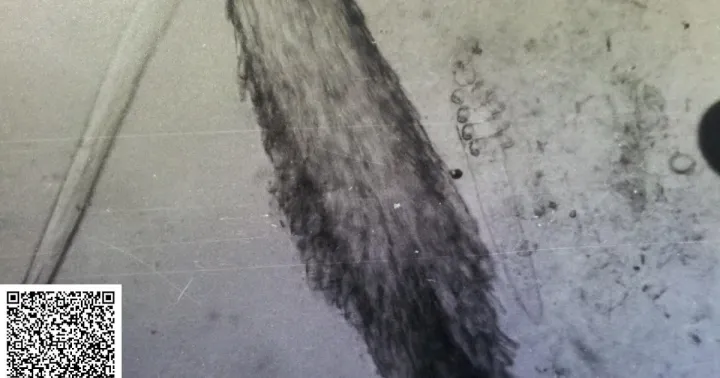
Description
How to identify
The Demodex canis is a member of the Demodicidae family within the Trombidiformes order. It is a microscopic mite that strictly inhabits the hair follicles and sebaceous glands of domestic dogs.
These mites possess a unique cigar-shaped body, which is a specialized evolution for living within the tight ducts of a mammal's skin. They lack the morphological traits required to infest or damage plant tissues.
In agronomy, this species is not categorized as an agricultural pest. It does not occupy any niche within plant cultivation or ecosystem management for crops.
The entire lifecycle of the mite is completed on the host. It is highly sensitive to environmental desiccation and cannot survive on vegetation or in the soil.
Taxonomically, it belongs to veterinary entomology. There is no intersection between this species and the threats faced by agricultural production systems.
What it damages
The dog follicle mite does not feed on plants. It lacks the mandibles and digestive enzymes necessary to consume plant cells or sap.
As an obligate parasite of mammals, it derives all its nutrition from the sebum and cellular debris within the skin follicles of dogs.
The impact of this organism is strictly limited to animal health, specifically causing demodicosis. It has zero impact on plant productivity, crop yield, or orchard health.
The usage of conventional crop protection chemicals, such as pesticides or acaricides designed for plants, is ineffective and contraindicated for treating this mite.
Agronomists should not consider Demodex canis as a threat to plant health, as it is biologically incapable of damaging botanical structures.
Control measures
Control of Demodex canis falls exclusively under the scope of veterinary medicine rather than agricultural plant protection.
Effective management includes regular veterinary check-ups for animals living in or near farm premises to prevent the spread of the parasite.
When infestation is detected, veterinarians prescribe specific topical or systemic medications designed for domestic pets.
There are no agricultural control measures, such as fumigation or field spraying, that are relevant or effective against this veterinary parasite.
Good hygiene practices for farm animals remain the only recommended approach to managing the presence of this mite in an agricultural setting.
Taxonomy
- Latin name
- Demodex canis
- Order
- Mites
- Family
- Demodicidae
- EPPO code
- DEMOCN
Discussion
No discussions yet — be the first.