
Danaus
Danaus
Description
How to identify
The genus Danaus belongs to the Nymphalidae family (order Lepidoptera). The most well-known representative of this group is the Monarch butterfly.
Adults are recognized by their distinct orange, black, and white wing patterns, with a typical wingspan ranging from 8 to 10 centimeters.
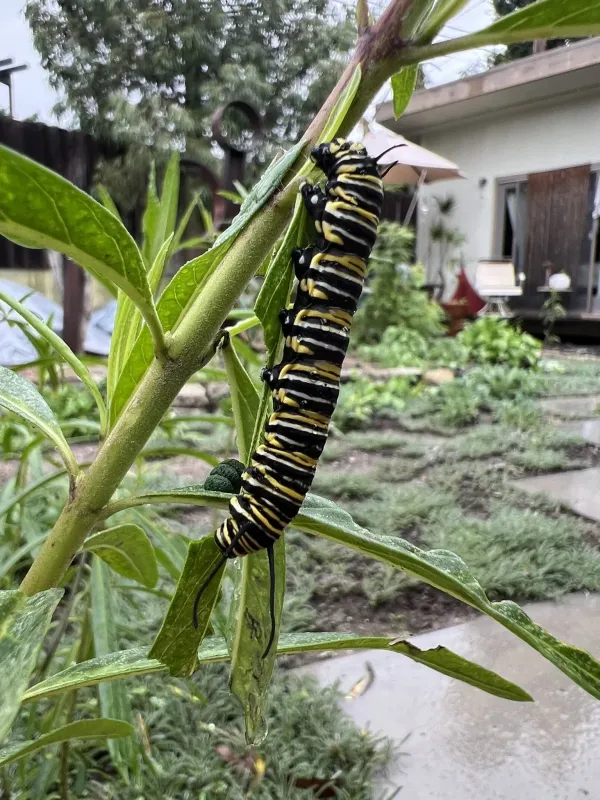
The larvae (caterpillars) are easily identified by their conspicuous yellow, black, and white bands, which serve as a warning of their toxicity.
The chrysalis is typically emerald green with golden spots, providing excellent camouflage against host plant foliage.
Their biology is closely associated with plants of the Apocynaceae family, specifically the genus Asclepias, which provides the larvae with toxic compounds for protection.
What it damages
Damage is primarily caused by the larval stage, which consumes leaves voraciously throughout its development.
The primary hosts are plants within the dogbane family, especially milkweed species (Asclepias), which can be significantly defoliated.
High populations of larvae can lead to complete leaf loss, stunting the growth of ornamental plants and affecting their overall vigor.
While adult butterflies feed on nectar and are generally harmless to plant tissue, larval feeding can leave plants unsightly and prone to secondary stress.
Severe defoliation reduces the photosynthetic capacity of the plants, leading to a decline in their health and resilience against environmental factors.
When it appears
The life cycle includes a complete metamorphosis consisting of four stages: egg, larva, pupa, and adult (imago).
Activity is most pronounced during the warm summer months when temperatures are optimal for larval development.
Females deposit eggs individually on the underside of leaves, making early detection of the infestation challenging for gardeners.
The development from egg to adult usually takes approximately 30 to 40 days, depending on climatic conditions and host plant availability.
Danaus species are known for long-distance migrations, meaning that local populations can fluctuate significantly depending on the season and environmental triggers.
Signs of infestation
The most common sign of an infestation is the presence of irregular holes in the leaves or skeletonized foliage.
Frass (larval droppings) can often be found on the leaves or on the soil directly beneath the infested plant.
Observing the plant carefully will reveal the caterpillars themselves, which are usually active on the stems and leaves during the early morning hours.
Evidence of egg-laying or small, newly hatched larvae feeding on the tips of the shoots indicates the start of an infestation cycle.
Adult butterfly presence near host plants is a reliable indicator that new egg clutches may have been deposited on the undersides of the leaves.
Control measures
Biological control methods, such as the use of Bacillus thuringiensis sprays, are highly effective against young larvae without harming the environment.
Hand-picking caterpillars is a viable and recommended strategy for smaller gardens or to protect individual prize plants.
- Regular monitoring of host plants for eggs and small larvae.
- Use of systemic insecticides only as a last resort in severe infestations.
- Maintaining healthy plant soil to improve overall plant resistance.
When using chemical treatments, it is crucial to apply them sparingly to avoid harming beneficial pollinator species that visit the same plants.
Cultural practices, such as pruning heavily infested shoots and providing adequate water, can help plants recover from larval feeding damage more effectively.
Taxonomy
- Latin name
- Danaus
- Order
- Lepidoptera (butterflies)
- Family
- Nymphalidae
- EPPO code
- DANASP
Discussion
No discussions yet — be the first.