
Cupido
Cupido
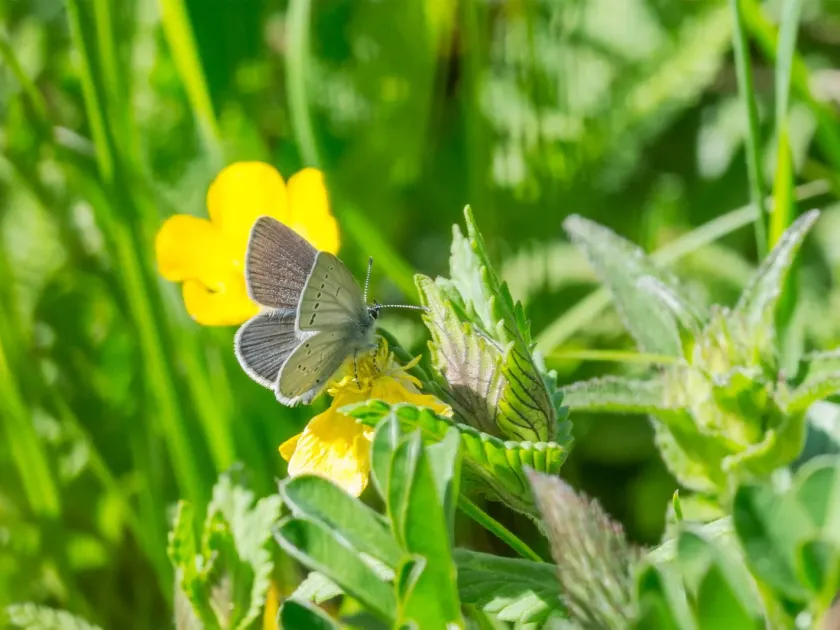
Description
How to identify
The genus Cupido belongs to the Lycaenidae family, commonly known as blues. These are small butterflies characterized by the brilliant blue or violet coloration on the dorsal side of the wings in males, while females typically exhibit dull brown or greyish hues.
Adults generally have a wingspan ranging from 20 to 30 mm. Their bodies are covered in dense hair, and the wing shape is rounded. The antennae are club-shaped, which is a diagnostic feature used to identify members of this family in the field.
The larvae, or caterpillars, of Cupido species are known for their distinct woodlouse-like shape. They are flattened, dense, and covered with microscopic hairs, providing excellent camouflage against the foliage and flowers of their host plants.
A key biological trait of these insects is myrmecophily. The larvae possess specialized glands that secrete a sugary substance, attracting ants that provide protection against predators and parasitoids in exchange for this nutritional reward.
Pupation typically occurs within plant debris or near the base of the host plant. The pupae are often secured with silk threads, remaining hidden on stems or the underside of leaves while they undergo metamorphosis into the adult stage.
What it damages
The primary agricultural damage is caused by the larval stage, which feeds on the generative and vegetative organs of plants. Leguminous crops are particularly susceptible to infestation by these larvae during their development.
Host plants include various species of vetch, clover, and other forage legumes. The larvae consume leaves, but their feeding on flower buds and developing seed pods poses the most significant threat to total crop yield.
Under conditions of high infestation, the larvae can destroy a substantial portion of the plant's reproductive structures. This leads to flower drop and the creation of holes in developing pods, which results in damaged or hollowed-out seeds.
Beyond direct consumption, the feeding damage weakens the plant, making it more susceptible to secondary infections by fungi and bacteria. The entry points created by the larvae allow pathogens to penetrate the internal tissues of the plant.
In large-scale forage legume cultivation, the presence of Cupido species can significantly reduce the overall quality and nutritional value of the harvest, necessitating consistent field monitoring during flowering and pod development.
When it appears
The life cycle of these insects is closely synchronized with regional climate patterns. Depending on the latitude and local weather conditions, they may produce one or two generations per year, with activity peaking during the warmer months.
Adults are active from late spring through the summer. They prefer sunny weather for mating and oviposition, during which females deposit eggs individually or in small clusters on the floral parts of their host plants.
The egg stage typically lasts about a week, followed by the emergence of larvae. The caterpillars immediately begin feeding on plant tissues, growing rapidly as they consume protein-rich buds and developing seeds.
Overwintering strategies vary by species; some overwinter in the pupal stage, while others survive the cold as young larvae, sheltered within the soil or amongst plant litter until the following spring.
The most critical period for crop damage occurs during early to mid-summer, when the larval feeding stage coincides with the plant's peak flowering and seed-setting phases, leading to potential yield losses.
Signs of infestation
The presence of adult butterflies with characteristic blue wings hovering over legume fields is the first sign of a potential infestation. This indicates that mating and egg-laying are likely taking place within the crop.
When inspecting the field, focus on the flower buds and pods. Characteristic signs of damage include irregular holes and premature wilting of flower clusters, which often indicates that larvae are feeding inside the buds.
Locating the larvae requires careful observation of the undersides of leaves or the interior of flower heads. They are typically stationary during the day and are masters of mimicry, often blending perfectly with the host plant.
Increased ant activity on the stems is another tell-tale sign. Since ants associate with Cupido larvae for the sugary secretions, a high concentration of ants on legume plants often points to the presence of the caterpillars.
Later in the season, look for small, circular exit holes in the pods. The presence of larval frass (excrement) around these holes or on the leaves provides definitive evidence of the pest's impact on the developing crop.
Control measures
Integrated pest management (IPM) for Cupido starts with good agronomic practices, including crop rotation and maintaining clean field margins to reduce natural reservoirs of the butterfly.
Weed management is crucial, as many wild legumes serve as primary hosts. By controlling these wild species near the field, farmers can prevent the pest from migrating into the primary agricultural crop.
Biological control options include the use of microbial insecticides, such as those based on Bacillus thuringiensis. These are effective against young larvae while minimizing harm to beneficial insects and the surrounding environment.
If economic thresholds are exceeded, targeted applications of insecticides (such as pyrethroids) may be necessary. These should be applied during the window when larvae have just hatched to achieve maximum efficacy.
- Use yellow sticky traps to monitor adult butterfly population levels and timing.
- Perform deep autumn plowing to disrupt the pupation cycle of soil-overwintering species.
- Adjust planting dates to mismatch the pest's peak activity window with the crop's vulnerable stages.
Taxonomy
- Latin name
- Cupido
- Order
- Lepidoptera (butterflies)
- Family
- Lycaenidae
- EPPO code
- CUPISP
Discussion
No discussions yet — be the first.