
Birch lace bug
Corythucha bellula
Description
How to identify
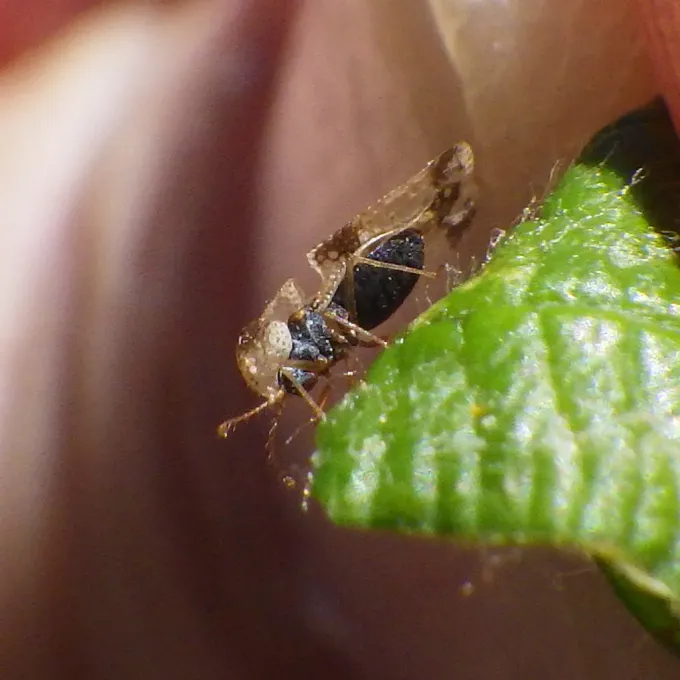
The birch lace bug (Corythucha bellula) is a tiny insect belonging to the family Tingidae, order Hemiptera, easily identified by its unique, lace-like appearance.
Adults are small, typically measuring 3 to 4 millimeters, with transparent, intricately patterned wing covers that resemble fine, delicate lace.
Nymphs look significantly different from adults, often displaying a darker color and being covered with spines that serve as a defense against predators.
The lifecycle follows a hemimetabolous pattern, consisting of eggs, five nymphal stages, and the adult stage, all of which occur on the host plant.
These insects overwinter as adults, seeking protection under bark, in leaf litter, or in crevices of the tree trunk during the cold winter months.
What it damages
The primary host for this pest is the birch tree (Betula), although they can occasionally infest related species in temperate forest ecosystems.
Lace bugs feed by inserting their mouthparts into the underside of the leaves to suck out the cell contents, specifically the chlorophyll and plant sap.
The feeding activity disrupts the tree's ability to photosynthesize, which can lead to weakened growth, yellowing foliage, and overall decline.
Heavy infestations can cause significant aesthetic damage, making birch trees look sickly and unkempt, which is particularly detrimental in urban landscapes.
In severe cases, the damage may result in premature defoliation, which stresses the tree and makes it susceptible to secondary pathogens and drought.
When it appears
Activity begins in spring when adults emerge from their winter hideouts, mate, and lay eggs on the undersides of the developing birch leaves.
The population builds up throughout the summer months, with multiple generations possible depending on the local climate and temperature conditions.
Mid-to-late summer is the peak period for activity, as the colonies grow and damage symptoms become increasingly visible across the entire canopy.
As autumn approaches and temperatures drop, the final generation of adults looks for suitable overwintering sites to survive the coming winter.
Monitoring for the presence of nymphs and adults should start shortly after the leaves have fully expanded in late spring or early summer.
Signs of infestation
The hallmark sign of a lace bug infestation is the stippling effect, where the leaf surface shows many small, light-colored or white spots.
If you examine the underside of the leaf, you will find colonies of insects, along with small, dark, sticky droplets of excrement that stain the foliage.
As feeding continues, the leaves may lose their green color entirely, turning a pale yellow or brown, and may eventually wither and drop early.
The presence of shed nymphal skins attached to the undersides of leaves is a clear indicator that a colony has been established on that specific plant.
If the tree appears to be suffering from chlorosis despite adequate fertilization and water, it is highly likely that lace bugs are present on the leaves.
Control measures
Sanitation is a vital first step, which involves collecting and destroying fallen leaves in the autumn to reduce the number of insects that successfully hibernate.
Biological control can be highly effective, as several natural predators, such as lacewings and minute pirate bugs, actively feed on lace bug colonies.
Chemical control using systemic insecticides or horticultural oils can be used during the growing season if the infestation reaches damaging levels.
When applying any treatment, ensure thorough coverage of the undersides of the leaves, as this is where the nymphs and adults spend most of their time.
Early detection is the key to minimizing damage, so regular inspection of the lower canopy is recommended for property owners and professional arborists.
Taxonomy
- Latin name
- Corythucha bellula
- Order
- Hemiptera (bugs, aphids, leafhoppers)
- Family
- Tingidae
- EPPO code
- CRTHBE
Discussion
No discussions yet — be the first.